
Call Us: 603-766-3733
Understanding Debris Removal for NH Seacoast Properties
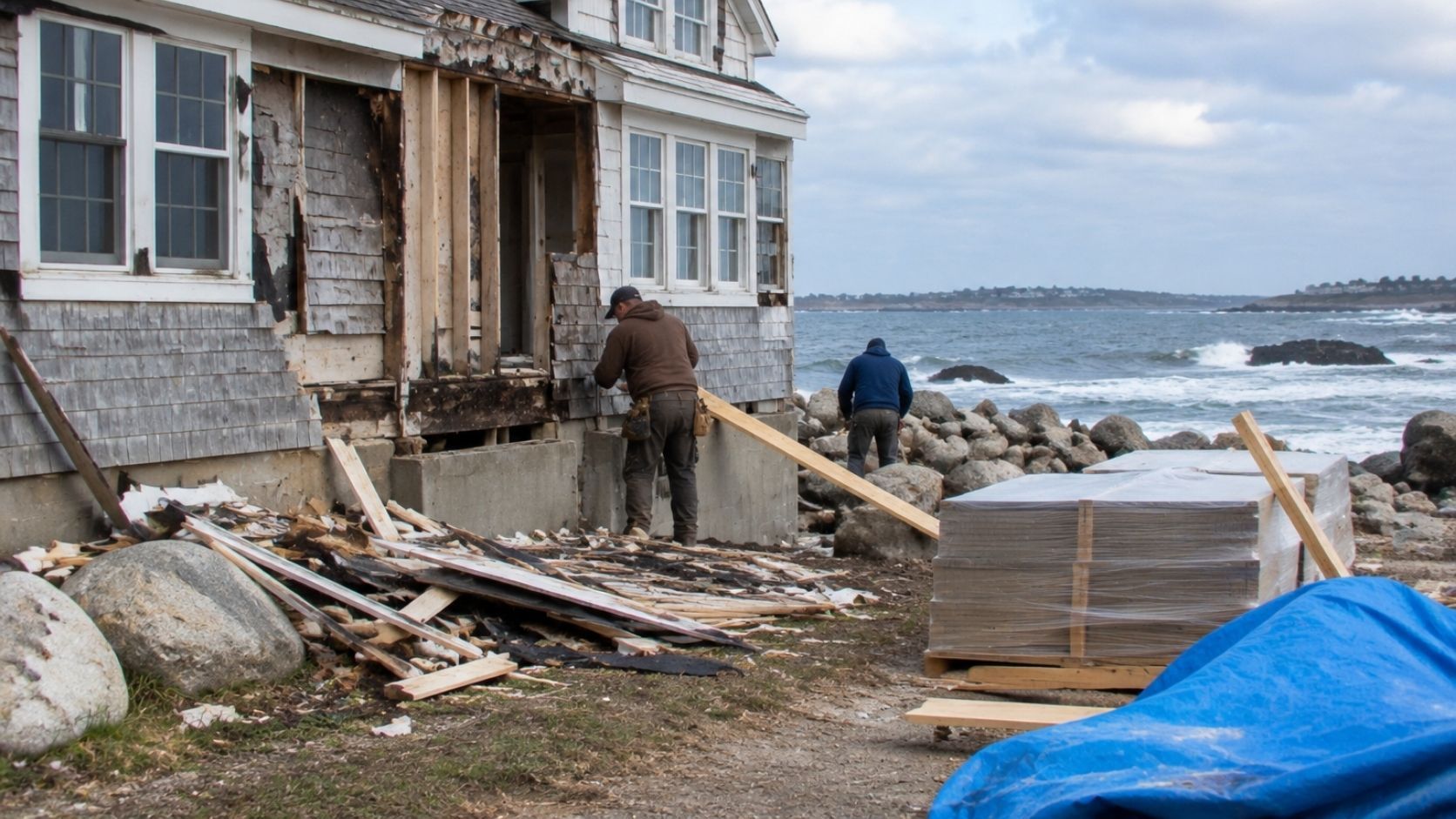
Picture a February nor'easter rolling through Rye: a century-old oak lands across your driveway, your dock sections wash up on a neighbor's lawn in New Castle, and a chunk of granite seawall sits in your side yard. The damage itself is obvious. The cleanup bill, and whether your policy actually pays it, is where most coastal homeowners get surprised.
Debris removal coverage pays to haul away the wreckage of covered property after a covered loss. That last phrase matters more than anything else in this guide. If the storm damage itself isn't covered, the cleanup usually isn't either.
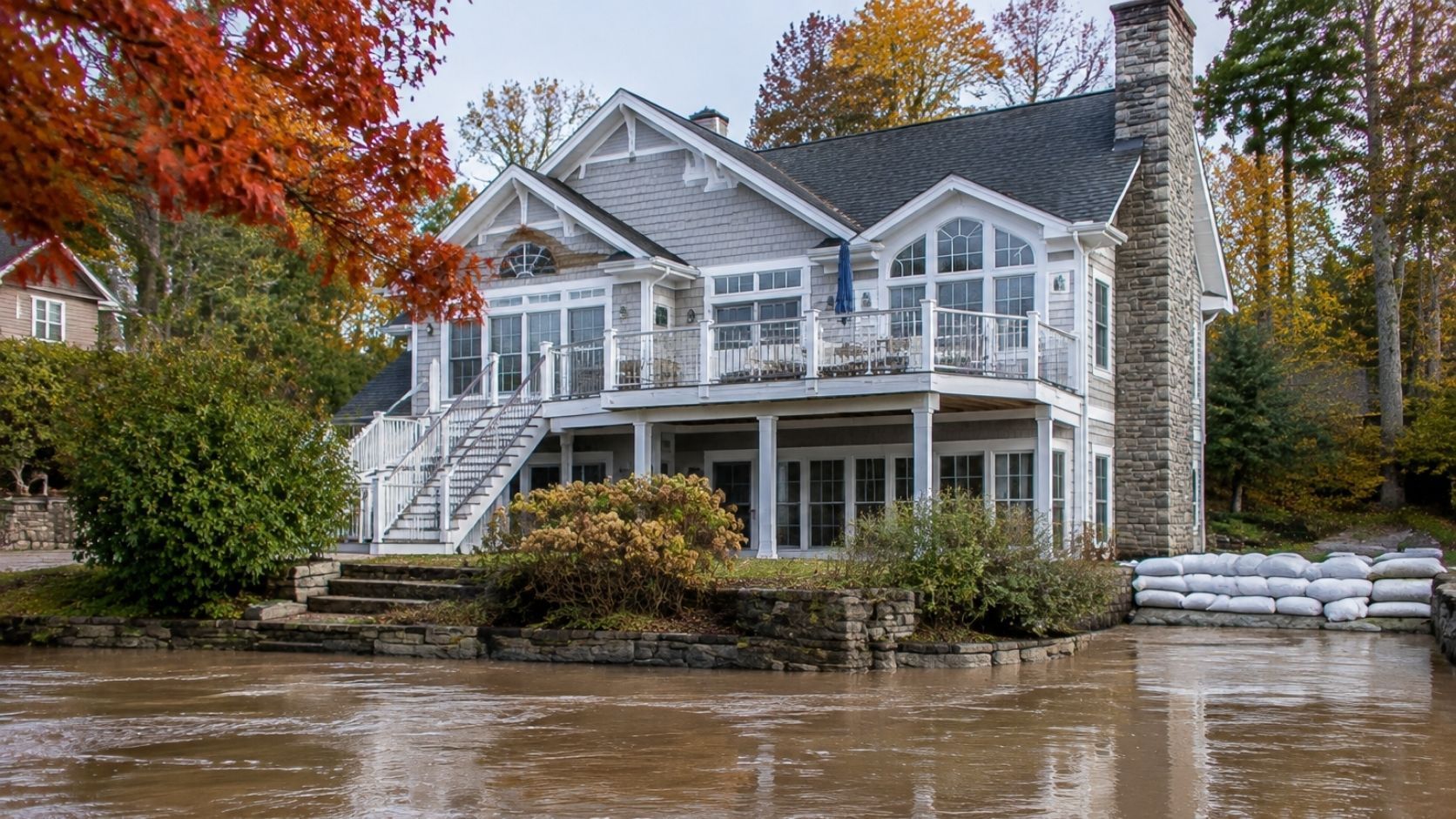
On the Seacoast, that distinction comes up constantly. Wind damage is typically covered under a standard homeowners form, while storm surge and rising water fall under flood insurance, which is a separate policy entirely. A seawall that collapses from wave action, a dock torn loose by tidal surge, and saltwater-soaked drywall in a Portsmouth South End basement may all sit outside your homeowners policy. That means the cleanup sits outside it too.
The cost of debris removal has also climbed sharply. Licensed haulers, disposal fees for treated lumber and creosote pilings, and crane rental for heavy items add up quickly. On a high-value property with mature landscaping and waterfront structures, cleanup alone can run well into five figures before a single board is replaced.
The 25% Rule and Additional Coverage Limits
The trouble isn't whether debris removal exists in your policy. Nearly every homeowners form includes it. The trouble is how it's calculated and where it stops.
How the Standard Debris Removal Clause Works
Most standard homeowners forms tie debris removal to the amount paid for the physical loss. A common structure works like this: the cost of debris removal is included within your dwelling limit, and if the damage plus cleanup exceeds that limit, an additional amount, often 5% of the dwelling limit, becomes available. Some carriers phrase it as up to 25% of the covered loss. Read your specific form, because the wording varies by carrier and edition.
Here's what that means in practice. Say a windstorm causes $80,000 in covered damage to your Hampton home. Under a 25% structure, you'd have up to $20,000 for hauling away the wreckage, as long as the total stays within your policy limits.
When the Debris Removal Limit is Exceeded
Problems surface when the loss approaches your dwelling limit. If you're underinsured by even 10%, which is common with coastal homes where reconstruction costs have outpaced policy updates, the debris removal money competes with rebuilding money. Every dollar spent clearing the lot is a dollar not spent on framing.
That's why we push clients to review two things together: dwelling limits based on current rebuild costs, and Ordinance or Law coverage. Older Seacoast homes, especially in Portsmouth's historic districts, often trigger code upgrades during rebuilding. Ordinance or Law coverage helps pay for demolishing undamaged portions that must come down to meet code, and for removing that extra debris. Without it, you could be paying out of pocket to tear down walls that survived the storm.
Coastal Specifics: Trees, Docks, and Seawalls
The most common coverage gaps on coastal claims involve property that lives outside the four walls of your house.
Tree Removal Coverage and Windstorm Triggers
Tree coverage is far narrower than most people assume. Standard policies generally pay to remove a fallen tree only when it strikes a covered structure (house, garage, fence) or blocks a driveway or accessible ramp. Even then, there's typically a cap, commonly $500/tree; $1,000/event [https://www.sultanwa.gov/238/What-the-Federal-Flood-Insurance-Program], though limits differ by carrier.
If a hurricane-force gust drops a pine in the middle of your lawn without hitting anything, you're likely paying for removal yourself. Neighbor trees follow similar rules: if your neighbor's healthy tree falls on your house, your policy responds, not theirs. Their policy only gets involved if the tree was visibly dead or diseased and they ignored it.
High-value carriers such as Chubb and PURE often provide broader tree and landscaping limits, sometimes as a percentage of the dwelling value. For estates with mature specimen trees along Little Harbor or Ocean Boulevard, that difference can be substantial.
The Challenge of Insuring Docks and Seawalls
Docks, piers, bulkheads, and seawalls are frequently excluded or severely limited under standard homeowners forms, especially when damage comes from waves, ice, or tidal action. Flood insurance through the NFIP generally doesn't cover them either.
Docks also carry real liability exposure. New Hampshire doesn't require boat insurance, but docks and watercraft create high liability exposure that often calls for specialized marine coverage, including wreck removal. If your dock breaks loose and damages someone else's property or becomes a navigation hazard, removal costs can escalate quickly. Seawalls typically need a specialty endorsement or a separate policy to be properly protected.
Comparing Coverage Levels for Coastal Storms
Not all policies treat storm cleanup the same way. Here's how typical coverage stacks up for a Seacoast home.
| Coverage Item | Standard Homeowners | High-Value Specialty Policy | Flood (NFIP) |
|---|---|---|---|
| Debris from covered wind loss | Included, often capped at a % of loss | Broader, often outside dwelling limit | Not applicable |
| Tree removal | Typically $500/tree; $1,000/event [https://www.sultanwa.gov/238/What-the-Federal-Flood-Insurance-Program] | Higher limits, may include landscaping | Not covered |
| Docks and piers | Often excluded or limited | Sometimes endorsable | Generally excluded |
| Seawalls and bulkheads | Usually excluded | Possible via endorsement | Generally excluded |
| Storm surge debris | Excluded | Excluded unless excess flood added | Covered within limits |
| Ordinance or Law | 10% Default [https://www.sultanwa.gov/238/What-the-Federal-Flood-Insurance-Program] | Often higher or full limit | Limited |
The pattern is clear: storm surge cleanup belongs to flood coverage, and wind cleanup belongs to your homeowners policy. Waterfront structures often fall between the two. That's where most of the unpleasant surprises happen.
Timing also matters for flood protection. The NFIP has received a short-term extension through December 11, 2026, so homeowners should renew flood policies before that date. A lapse can create problems beyond coverage, including delays on property sales and closings.
Common Questions About NH Coastal Debris Claims
Does my homeowners policy pay to clean up after storm surge? Usually not. Storm surge counts as flood, so cleanup falls under a flood policy, not your homeowners policy.
Will insurance remove a tree that fell but didn't hit anything? Generally no. Most policies only pay when the tree damages a covered structure or blocks a driveway.
Are docks covered if ice damages them in winter? Rarely under a standard policy. Ice and wave damage to docks typically needs a marine policy or a specific endorsement.
What happens if my carrier decides to drop me after a big claim? New Hampshire requires at least 45 days' notice for non-renewals, which gives you time to shop. The state also has no FAIR Plan, so working with an agent who has access to multiple carriers matters.
Is there help paying for storm-proofing upgrades? Yes, in some cases. A new state program, described in the next section, offers grants to qualifying owner-occupants.
Does debris removal reduce what I get to rebuild? It can. If your policy includes cleanup within the dwelling limit, a large cleanup bill reduces the money left for reconstruction.
Protecting Your Assets Before the Next Nor'easter
Prevention reduces both the damage and the debris. New Hampshire took a step in this direction with Senate Bill 562, which created the Granite State Home Mitigation and Resiliency Program effective August 31, 2026. The program aims to strengthen homes against severe weather, and it offers grants of up to $9,500 for lower-income owner-occupants. Most high-value homeowners won't qualify, but the program shows where state policy is heading: toward mitigation.
For larger coastal properties, a practical pre-storm checklist looks like this:
- Hire an arborist annually. Remove dead limbs and diseased trees near the house before they become a claim, or a dispute over neglect.
- Document your waterfront structures. Photograph docks, seawalls, and floats each spring with dated images.
- Check your dwelling limit against current rebuild costs. Coastal construction costs have risen, and underinsurance squeezes debris money.
- Confirm Ordinance or Law limits. This is especially important for historic homes in Portsmouth or older shingle-style cottages in Rye.
- Review flood coverage and excess flood options. NFIP building limits often fall short for homes above $1.5 million.
Your Next Steps
Debris removal looks like a minor line in your policy until a storm turns it into a five-figure bill. On the Seacoast, the real risks sit at the edges: trees that fall without hitting anything, docks lifted by ice, seawalls undermined by surge, and cleanup costs competing with rebuild dollars. Standard forms handle some of this. Specialty policies and endorsements handle much more.
Avery Insurance Agency has advocated for New Hampshire families since 1899, and our consultative approach is built for exactly these gaps. We review your homeowners, flood, and marine coverage together, so trees, docks, seawalls, and limits are accounted for before the next nor'easter arrives.
Contact Avery Insurance Agency to schedule a coastal coverage review. One conversation now can save you from finding out what isn't covered while you're standing in the wreckage.
ABOUT THE AUTHOR:
Tod O’Dowd, CIC, CAPI
I'm the President of Avery Insurance Agency, a family-owned independent agency serving individuals and businesses across New England and in 40+ states. With a hands-on, consultative approach to personal and commercial risk, I help clients — from high-net-worth homeowners and contractors to restaurant owners and property managers — find the right coverage without the guesswork of working with a single-carrier agent.