
Brewery Insurance
Call Us: 603-766-3733
Running a brewery means juggling fermentation schedules, ingredient sourcing, distribution logistics, and a taproom full of customers who expect a great pour every time. What most brewery owners don't spend enough time thinking about is what happens when something goes wrong: a burst tank, a delivery truck accident, a customer who slips on a wet floor, or a contaminated batch that needs to be pulled from shelves. Brewery insurance isn't a single policy but a layered set of coverages designed to protect against the specific risks this industry faces. The typical cost lands
between $5,000 and $18,000 annually, but that range swings wildly depending on your production volume, taproom traffic, distribution footprint, and claims history. The Brewers Association has noted that
compounding difficulties including inflation, tariffs, and increased competition are squeezing margins across the industry, making smart risk management more important than ever. Getting the right coverage in place isn't just about compliance: it's about making sure one bad day doesn't wipe out years of hard work. Here's a complete guide to brewery insurance covering general liability, workers comp, commercial auto, property, and the specialized policies most owners overlook.
The Essential Foundation: General Liability and Liquor Liability
General liability and liquor liability form the bedrock of any brewery insurance program. Without them, you're exposed to the most common and potentially devastating claims in the business.
Protecting Against Third-Party Bodily Injury and Property Damage
General liability covers the basics: someone gets hurt on your property, or your operations damage someone else's property. Think of the customer who trips over a hose in your taproom, the vendor who slips on spilled grain near the loading dock, or the neighbor whose fence gets damaged during a delivery. Small breweries can expect to pay roughly $77 to $109 per month for standard $1,000,000/$2,000,000 general liability coverage, which is a modest investment against claims that can easily reach six figures. Most commercial landlords and event organizers will require proof of general liability before they'll let you sign a lease or pour at a festival. One thing to keep in mind: general liability alone doesn't cover alcohol-related incidents, which is why the next layer matters so much.
Liquor Liability: Managing Risks of Alcohol Service and Consumption
If you serve beer in a taproom, at events, or through any direct-to-consumer channel, you need liquor liability coverage. This protects you when an intoxicated patron causes harm to themselves or others after consuming your product. Dram shop laws vary by state, but many hold the serving establishment financially responsible for damages caused by visibly intoxicated customers. A single alcohol-related car accident can generate claims well into seven figures. Liquor liability is sometimes bundled into a general liability policy, but more often it's a separate endorsement or standalone policy. Don't assume your general liability handles it: check.
Product Liability and Recall Coverage for Contaminated Batches
Product liability covers you if someone gets sick from drinking your beer. This could stem from contamination during brewing, packaging failures, or allergen issues. Recall coverage goes a step further, paying for the costs of pulling a contaminated batch from distribution: notification expenses, shipping, disposal, and lost product value. A single recall can cost tens of thousands of dollars even for a small regional brewery. If you distribute beyond your own taproom, this coverage isn't optional. It's essential.

By: Tod O’Dowd, CIC, CAPI
President of Avery Insurance Agency
Protecting Your Assets: Commercial Property and Equipment Breakdown
Your brewery is full of expensive, specialized equipment that standard property policies weren't designed to cover. Getting this section right can mean the difference between rebuilding after a loss and closing your doors.
Insuring Brewing Tanks, Bottling Lines, and Specialized Machinery
A 30-barrel brewing system can cost $250,000 or more. Canning lines, glycol chillers, boilers, and fermentation tanks add up fast. Commercial property insurance covers these assets against fire, theft, vandalism, and certain natural disasters, but you'll want an equipment breakdown endorsement to cover mechanical and electrical failures that standard property policies exclude. A compressor failure in your glycol system can ruin an entire fermentation cycle. Make sure your policy covers replacement cost rather than actual cash value: depreciated equipment payouts rarely cover what you'll actually spend to get back up and running.
Spoilage and Contamination Coverage for Raw Materials and Inventory
Imagine losing 2,000 pounds of specialty malt to a roof leak, or watching 50 barrels of aging sour beer go bad because a cooler failed overnight. Spoilage coverage pays for raw materials and finished product lost due to equipment breakdown, power failure, or contamination. This is especially critical for breweries aging beer in barrels or maintaining large grain inventories. Standard property policies often exclude spoilage or cap it at frustratingly low limits. Ask your agent to review the spoilage sublimit specifically: many brewery owners are shocked to learn their default coverage wouldn't come close to replacing a full inventory loss.
Business Interruption Insurance for Production Delays
If a fire shuts down your brewhouse for three months, property insurance covers the physical damage. But what about the revenue you lose while you're not producing or selling beer? Business interruption insurance fills that gap, covering lost income and ongoing fixed expenses like rent, loan payments, and payroll during a covered shutdown. Some policies also cover "extra expense," which pays for temporary measures to keep your business running: renting equipment, contract brewing at another facility, or expediting repairs. For breweries with taprooms, even a few weeks of closure can mean devastating revenue loss. This is one of those coverages that feels unnecessary until you desperately need it.
Workforce and Operational Safety: Workers Comp and Commercial Auto
Your people and your vehicles represent two of your biggest liability exposures. Both require dedicated coverage.
Workers Compensation for High-Risk Brewery Environments
Breweries are physically demanding workplaces. Employees lift heavy kegs, work around hot liquor tanks, handle caustic cleaning chemicals, and operate machinery with moving parts. Workers comp is legally required in nearly every state, and it covers medical expenses, lost wages, and rehabilitation for employees injured on the job. Costs vary significantly: average workers comp premiums range from $16 to $343 per employee monthly depending on job classification, claims history, and state regulations. Cellar workers and production staff carry higher rates than taproom servers or office employees. Failing to carry adequate workers comp doesn't just expose you to lawsuits: in many states, it's a criminal offense.
Commercial Auto for Delivery Fleets and Sales Representatives
If your brewery owns vehicles for deliveries, sales calls, or ingredient pickups, you need commercial auto insurance. Personal auto policies won't cover vehicles used for business purposes, and a serious accident with a loaded delivery truck can generate massive liability claims. Commercial auto covers collision damage, liability for injuries to others, and cargo damage. Even if you use a single van for local keg deliveries, that vehicle needs a commercial policy. Don't forget about non-owned auto coverage if employees occasionally use their personal vehicles for brewery errands: your business could still be held liable.
Specialized Industry Endorsements and Niche Protections
Standard commercial policies leave gaps that are specific to brewing operations. These endorsements fill them.
Tank Leakage and Collapse Coverage
Fermentation tanks and brite tanks hold thousands of gallons of product under pressure. A weld failure, corrosion issue, or pressure relief malfunction can cause a catastrophic collapse or slow leak that damages flooring, walls, and surrounding equipment. Tank leakage and collapse coverage is a specialized endorsement that pays for both the lost product and the resulting property damage. This isn't covered under standard property or equipment breakdown policies, so it needs to be added explicitly. Given that a single fermenter can hold $20,000 or more in product, this endorsement pays for itself quickly.
Inland Marine Insurance for Goods in Transit
Once your beer leaves the brewery on a delivery truck or gets shipped to a distributor, it's no longer covered by your commercial property policy. Inland marine insurance covers goods in transit, protecting against damage, theft, or loss while your product is moving between locations. This also covers equipment you transport to festivals, pop-up events, or off-site tastings. If you're self-distributing, inland marine is a must-have. The premiums are typically modest relative to the value of product you're moving.
Insurance costs don't have to be a fixed burden. Smart risk management directly translates to lower premiums.
Implementing Safety Protocols and Quality Control Measures
Insurers reward breweries that take safety seriously. Documented safety protocols for chemical handling, confined space entry, forklift operation, and hot-side brewing processes signal to underwriters that you're a lower risk. Quality control measures like regular pH and dissolved oxygen testing, sanitation logs, and batch tracking reduce the likelihood of contamination claims. Some carriers offer premium discounts of 5-15% for breweries with formal safety programs. An agency like Avery Insurance, with over 125 years of experience building custom risk management portfolios, can help identify which protocols will have the biggest impact on your specific premium structure.
Conducting Regular Equipment Audits and Employee Training
Annual equipment audits catch problems before they become claims. Inspecting tank welds, testing pressure relief valves, servicing boilers, and calibrating temperature controls reduces the chance of equipment-related losses. Pair this with regular employee training: new hire safety orientation, annual refresher courses, and documented competency checks for equipment operators. Microbreweries can typically expect to pay
between $500 and $1,500 per month for a comprehensive insurance program including general liability, liquor liability, property, and workers comp. Investing in prevention can keep you at the lower end of that range.
| Coverage Type | What It Protects | Typical Monthly Cost Range |
|---|---|---|
| General Liability | Third-party injury and property damage | $77 - $109 |
| Liquor Liability | Alcohol-related incidents | Varies by state and volume |
| Commercial Property | Building, equipment, inventory | Included in package or standalone |
| Workers Compensation | Employee injuries on the job | $16 - $343 per employee |
| Commercial Auto | Delivery vehicles and fleet | Varies by fleet size |
| Business Interruption | Lost income during shutdowns | Typically bundled with property |
| Product Liability/Recall | Contaminated or defective product | Varies by distribution volume |
Before You Buy a Policy
The brewery taproom insurance market alone is
projected to reach $2.48 billion by 2033, which tells you something about how much risk exists in this industry. Don't treat insurance as a commodity where you grab the cheapest quote and move on. Every brewery has a unique risk profile shaped by production volume, distribution reach, taproom operations, and local regulations. Working with a consultative agency like Avery Insurance that takes the time to uncover your specific vulnerabilities makes the difference between a policy that looks good on paper and one that actually protects you when things go sideways. Get your coverage reviewed annually, especially after expanding production, adding distribution channels, or opening new taproom locations. Your brewery deserves a protection plan as carefully crafted as your beer.
Frequently Asked Questions
Does my brewery need liquor liability even if I only sell cans to go? Yes, in most states. Any sale of alcohol for consumption can create liability exposure, though taproom service with on-site consumption carries higher risk and higher premiums.
Can I bundle all my brewery coverages into one policy? Many insurers offer a Business Owner's Policy (BOP) that bundles general liability and property coverage, but breweries usually need additional standalone policies for liquor liability, workers comp, and commercial auto.
What happens if I don't carry workers comp? Most states impose fines, and some classify it as a criminal offense. You'd also be personally liable for any employee injury costs, which can be financially devastating.
How often should I update my coverage limits? At least annually, or whenever you make a significant change like adding equipment, expanding your taproom, hiring more staff, or entering new distribution markets.
Does homebrewing experience affect my commercial brewery premiums? No. Commercial insurance is underwritten based on business operations, revenue, employee count, and claims history, not your personal brewing background.
ABOUT THE AUTHOR:
Tod O’Dowd, CIC, CAPI
I'm the President of Avery Insurance Agency, a family-owned independent agency serving individuals and businesses across New England and in 40+ states. With a hands-on, consultative approach to personal and commercial risk, I help clients — from high-net-worth homeowners and contractors to restaurant owners and property managers — find the right coverage without the guesswork of working with a single-carrier agent.
What Our Clients Say
Trusted by Families and Businesses for Over a Century
Trusted by New Hampshire Families and Businesses for Over a Century

Your Life. Protected.
Complete Personal Insurance for Individuals Who Expect More
One Agency. Every Coverage You Need. No Gaps, No Surprises.
Home Insurance
Your home is your most valuable asset. Avery’s home insurance protects your property, belongings, and liability so you can feel secure no matter what happens.
High-Value Home Insurance
Own a home valued over $2 million? Our Premier Client Services program provides coverage built around high-value properties and the unique risks they carry.
Auto Insurance
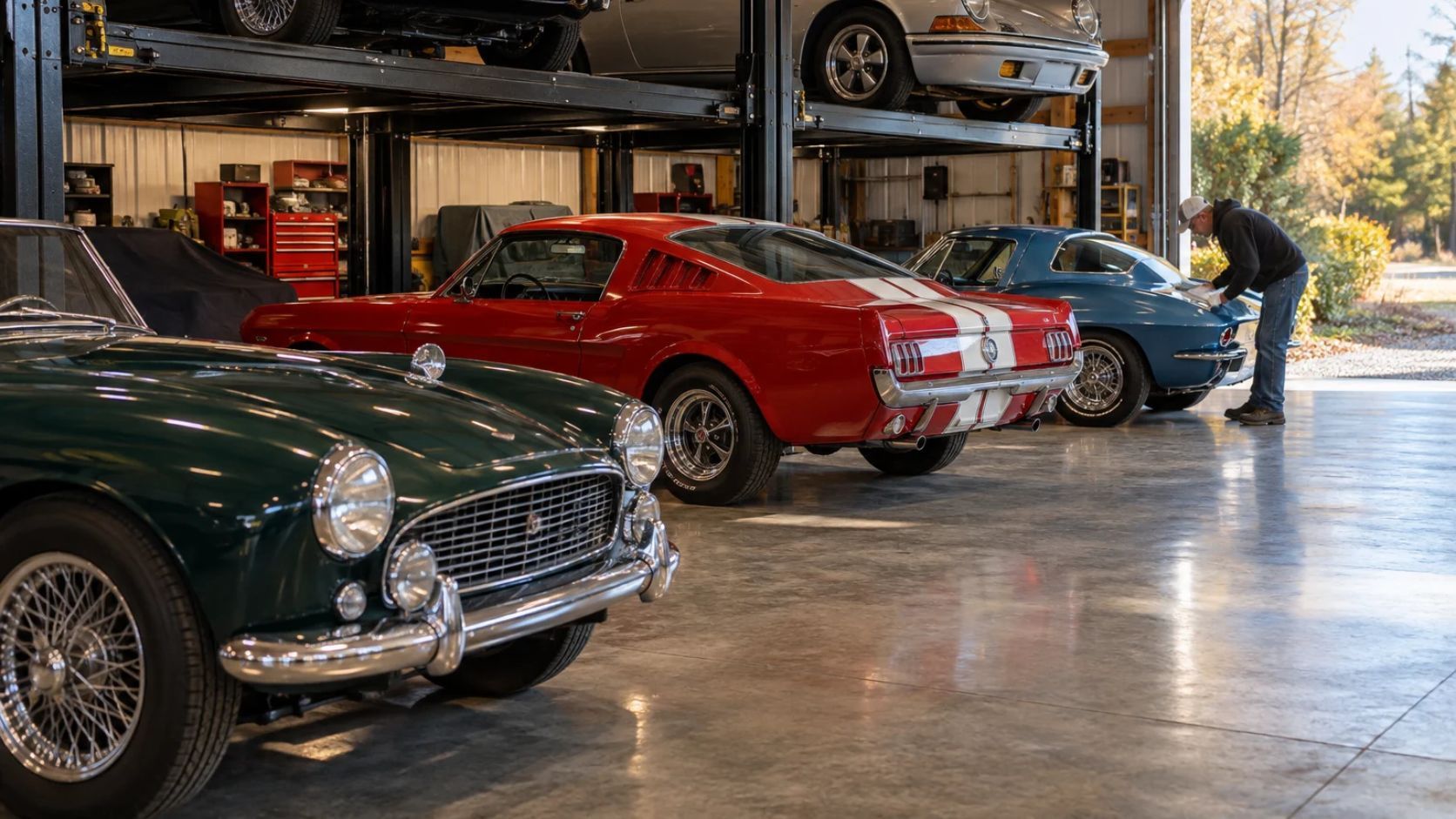
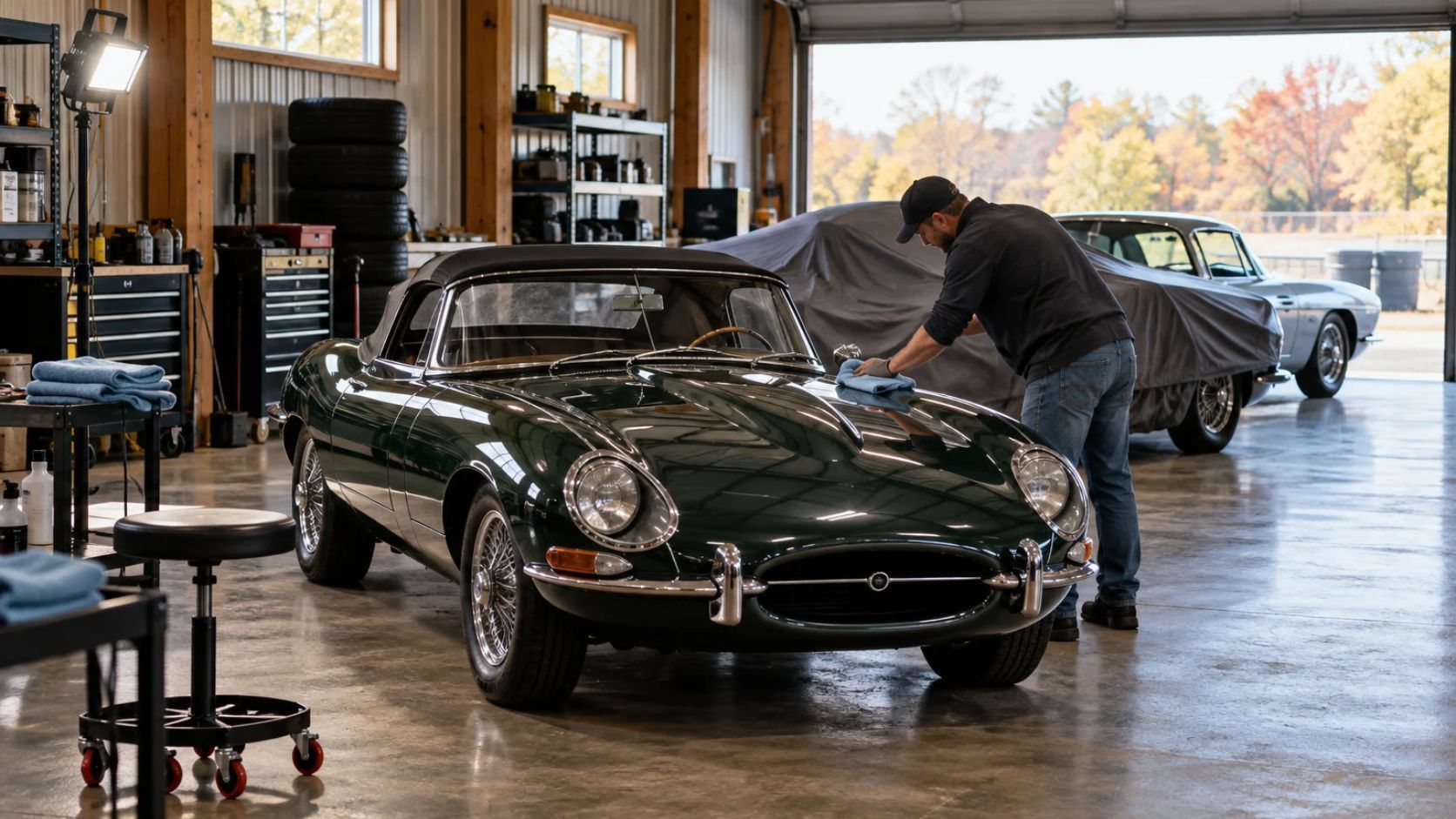
Whether you drive a daily commuter, a classic car, or a motorcycle, Avery finds the right auto coverage for your vehicle and your budget.
Boat & Watercraft Insurance
From small boats on New Hampshire’s lakes to luxury yachts, Avery provides watercraft insurance covering your vessel, passengers, and liability on the water.
Umbrella / Personal Liability Insurance
An umbrella policy adds an extra layer of liability protection above your home and auto coverage. One of the most cost-effective ways to protect your financial future.
Valuable Possessions Insurance
Jewelry, art, collectibles, and other high-value items need coverage beyond a standard homeowners policy. Avery insures your most prized possessions at full appraised value.
Protect Your Business & Livelihood
Commercial Insurance Solutions Designed for New England Businesses.
Comprehensive Commercial Coverage That Keeps Your Business Running
General Liability Insurance
Protect your business from third-party claims of bodily injury, property damage, and personal injury. General liability is the foundation of any solid business insurance program.
Commercial Property Insurance
Covers your building, equipment, inventory, and other physical assets against fire, theft, vandalism, and other covered losses. Keep your business protected from the unexpected.
Workers’ Compensation Insurance
Workers’ comp covers medical costs and lost wages when an employee is injured on the job. Avery helps businesses meet state compliance requirements and manage costs effectively.
Cyber Liability Insurance
Data breaches and cyberattacks are a growing risk for businesses of all sizes. Cyber liability covers response costs, legal fees, and customer notification expenses after a security incident.
Employment Practices Liability Insurance
Covers your business against employee claims of wrongful termination, discrimination, harassment, and related issues. Essential for any business with employees.
Commercial Auto Insurance
Whether a single truck or a full fleet, commercial auto insurance protects your business against accidents, damage, and liability on the road.
We Know Your Industry
Tailored Insurance Programs for the Industries That Drive New Hampshire
We Understand the Risks Your Industry Faces — and How to Manage Them
Contractors Insurance
From general contractors to specialty trades, Avery understands the unique liability and property exposures your business faces on every job site in New England. We build coverage programs that keep your crew and company protected.
Restaurants & Hospitality
Restaurants, hotels, and marinas face distinct risks — from slip-and-fall liability to liquor liability and food spoilage. Avery designs coverage programs for the specific needs of the hospitality industry.
Real Estate & Property
Whether you own a portfolio of investment properties or manage a condo association, Avery provides the right mix of property, liability, and management coverage to protect your real estate investments.
We Make It Simple
Getting Covered with Avery Is Easy

Step 01
Connect with an Avery Advisor
Call, email, or request a coverage online and we will respond the same business day.

Step 02
We Build Your Coverage Plan
We shop top-rated carriers, compare your options, and recommend the best fit for your needs.
Step 03
You Get Protected and Stay Protected
We place your coverage, review it annually, and advocate for you if you ever need to file a claim.
Let’s Clear Things Up
Got Questions? We’ve Got Answers.
Straight Answers From the Advisors Who Know This State Best
What does it mean that Avery is an independent insurance agency?
An independent agency like Avery is not tied to any single insurance company. We represent multiple top-rated carriers, which means we can shop the market on your behalf and recommend the coverage that truly fits your needs — not the one that benefits any single insurer.
This independence gives you access to more options and unbiased advice. Our advisors are compensated to serve your interests, not to push a specific product. That is a significant advantage over captive agents who can only offer one carrier’s policies.
How much does it cost to work with an Avery advisor?
There is no direct cost to you for working with an Avery advisor. Independent agents are compensated through commissions paid by the insurance carriers when a policy is placed. You receive expert guidance, market comparisons, and ongoing service at no extra charge.
In fact, many clients find that working with Avery saves them money. Our advisors know how to identify the right coverage levels so you are not paying for protection you do not need, and you are not left exposed where you do.
Does Avery help with claims?
Yes — and this is one of the most important things that sets Avery apart. When you have a claim, our in-house claims advisors go to work for you. We guide you through the process, communicate with the insurance company, and advocate for a fair and timely outcome.
Several of our team members hold professional claims designations, including AIC and AINS. We do not just help you file paperwork — we actively represent your interests to make sure you receive the full benefit your policy provides.
Where in New Hampshire does Avery provide coverage?
Avery serves clients throughout the state of New Hampshire from our offices in Wolfeboro and Portsmouth. Whether you live in the Lakes Region, the Seacoast, the White Mountains, or the Merrimack Valley, an Avery advisor is ready to help you find the right coverage.
Our advisors understand the specific risks that come with living and doing business in New Hampshire — from harsh winter weather to seasonal watercraft exposure. We apply that local knowledge to every coverage recommendation we make.
How does Avery handle high-value homes and assets?
Avery offers a dedicated Premier Client Services program for clients with homes valued over .5 million, significant investment portfolios, fine art collections, jewelry, yachts, and other complex assets. This program pairs you with a specialist who understands the unique risks of high-net-worth households.
Through carriers that specialize in high-value personal lines, we provide guaranteed replacement cost coverage, agreed value policies, and comprehensive risk management strategies. Your advisor will conduct a detailed review of your full asset portfolio to make sure nothing is overlooked or underinsured.
How often should I review my insurance coverage?
Avery recommends a full coverage review at least once a year. Major life events — buying a home, starting a business, adding a vehicle, getting married, or making significant home improvements — are all good triggers for an immediate review outside your annual cycle.
Insurance needs change over time, and policies that were right for you a few years ago may leave gaps today. Avery advisors proactively reach out to clients for annual reviews and keep up with changes in the insurance market that could affect your coverage or premium. Our goal is to make sure you are always protected and never paying for coverage that no longer fits.
Insurance Tips & News
Stay Informed with the Avery Blog
Practical Insurance Advice for New Hampshire Families and Business Owners
Contact Us
Portsmouth (HQ)
7 Islington St #102, Portsmouth, NH 03801
Phone Number: 603.766.3733
Wolfeboro
21 S Main Street, Wolfeboro, NH 03894
Phone Number: 603.569.2515