
Classic Car Insurance
Call Us: 603-766-3733
A 1967 Shelby GT500 that sold for $18,000 in 1985 might fetch $200,000 today. A numbers-matching Porsche 911S that sat in a barn for two decades could be worth more than a new home. These aren't hypothetical scenarios: they're the reality facing collectors who've poured years of passion and capital into vehicles that standard insurance policies were never designed to protect. The gap between what a regular auto insurer would pay after a total loss and what your classic car is actually worth can be staggering, sometimes six figures or more. That's the core problem classic car insurance solves, and getting the details right matters enormously. Whether you own a single matching-numbers muscle car or maintain a collection spanning decades and continents, the type of coverage you carry determines whether a claim leaves you whole or financially devastated. This guide covers the specific policy structures, valuation methods, and coverage options that collectors and owners need to understand: agreed value, scheduled protection, worldwide coverage, and the practical requirements that affect your premiums.
Understanding the Fundamentals of Classic Car Insurance
Specialty collector vehicle insurance exists because standard auto policies treat cars as depreciating assets. Your daily driver loses value every year, so a standard policy's actual cash value payout makes sense for it. But classic and collector vehicles appreciate, and their value is tied to rarity, provenance, condition, and market demand rather than a simple depreciation curve. Collector-specific policies flip the script by acknowledging that your vehicle is worth more today than when it rolled off the assembly line.
The cost difference is often surprising. Collector policies typically carry annual premiums ranging from $200 to $600, far less than what you'd pay for standard auto coverage on a comparable vehicle value. That lower cost comes with trade-offs around usage and storage, but for vehicles that aren't daily drivers, the math works overwhelmingly in your favor.
Defining Collector Vehicle Eligibility
Not every old car qualifies. Most specialty insurers consider vehicles 25 years or older as classic, though some accept newer limited-production or special-interest vehicles. Chubb, one of the more established carriers in this space, requires vehicles to be at least 30 years old for their classic car program. The exact threshold varies by insurer, and some will write policies for modern collectibles like a low-mileage Ford GT or a limited-run Porsche if you can demonstrate the vehicle is maintained as a collector piece rather than basic transportation.
Eligibility typically also requires that you own a separate daily-driver vehicle with its own insurance. Insurers want to confirm the classic car isn't your primary transportation, which is what justifies the lower premium.
Standard vs. Specialty Insurance Policies
Here's a quick comparison of the two approaches:
| Feature | Standard Auto Policy | Specialty Collector Policy |
|---|---|---|
| Valuation method | Actual cash value (depreciated) | Agreed or stated value |
| Annual premium | $1,200-$2,500+ | $200-$600 |
| Mileage limits | None | Typically 2,500-5,000/year |
| Repair shop choice | Insurer's network | Owner-selected specialists |
| Parts coverage | Aftermarket/generic | Original or correct-period parts |
| Appreciation | Not recognized | Can be built into policy |
The repair shop provision alone is worth the switch. Standard insurers will push you toward their preferred body shops using generic parts. A collector policy lets you choose marque specialists who understand the difference between a correct date-coded carburetor and an eBay replacement.

By: Tod O’Dowd, CIC, CAPI
President of Avery Insurance Agency
Agreed Value vs. Stated Value Coverage
This is the single most important distinction in collector vehicle insurance, and confusing the two can cost you tens of thousands of dollars at claim time.
Agreed value means you and the insurer negotiate a specific dollar amount when the policy is written, typically supported by an appraisal. If the vehicle is totaled, you receive that full amount, period. Stated value means you declare what you think the car is worth, but the insurer reserves the right to pay whichever is lower: your stated amount or the actual cash value at the time of loss. That "whichever is lower" clause is where collectors get burned.
The Benefits of Guaranteed Payouts
With agreed value coverage, there's no argument after a loss. You agreed on $175,000 for your matching-numbers Hemi 'Cuda, and that's what you receive if it's destroyed. This eliminates the most common source of claim disputes in collector vehicle insurance. Justin Moreno, OpenRoad's Chief Marketing and Communications Officer, put it well: many collector vehicle owners don't realize their standard coverage is based on depreciated market value, and these vehicles require coverage that considers their true replacement cost, factoring in condition and the owner's total investment.
The peace of mind here is tangible. You know exactly what your policy will deliver, and your insurer has already accepted that figure. No haggling, no adjuster lowballing you with Kelley Blue Book numbers that have nothing to do with the collector market.
Determining Fair Market Value for Collectors
Getting the agreed value right requires homework. Most insurers want a professional appraisal from a certified vehicle appraiser, not just a Hagerty valuation tool printout. The appraisal should document the vehicle's condition, originality, matching numbers status, restoration quality, and provenance. Auction results for comparable vehicles from the past 12 to 24 months help establish market context.
Plan to update your appraisal every two to three years, or sooner if the market for your particular marque is moving quickly. A family-owned agency like Avery Insurance Agency, which takes a consultative approach to uncovering coverage gaps, can help coordinate the appraisal process and ensure your agreed value keeps pace with the market rather than lagging behind it.
Protecting Assets with Scheduled Protection
Scheduling is how you ensure specific high-value items within your collection receive explicit coverage. Think of it as creating a detailed inventory that's baked directly into your policy.
Itemizing High-Value Modifications and Spare Parts
A concours-quality restoration often involves components worth more than some entire cars. A correct-date NOS engine block, a set of period-correct Campagnolo wheels, or a rebuilt transmission with documentation can represent $10,000 to $50,000 or more in individual value. Scheduled protection lists each of these items with their appraised values, so they're covered whether they're installed on the vehicle or stored separately.
Spare parts collections are particularly vulnerable. If you've stockpiled NOS trim pieces, gaskets, and mechanical components for a rare marque, those items need their own line on your policy. Without scheduling, an insurer might cover the car itself but deny a claim for the $30,000 in spare parts stored alongside it.
Inflation Guard and Appreciation Coverage
Some specialty policies include an inflation guard that automatically increases your agreed value by a set percentage each year, typically 2% to 5%. This helps your coverage keep up with gradual market appreciation without requiring a new appraisal annually. For vehicles in rapidly appreciating segments, like air-cooled Porsches over the past decade, a manual appraisal update is still wise because inflation guard alone won't capture a 30% market jump.
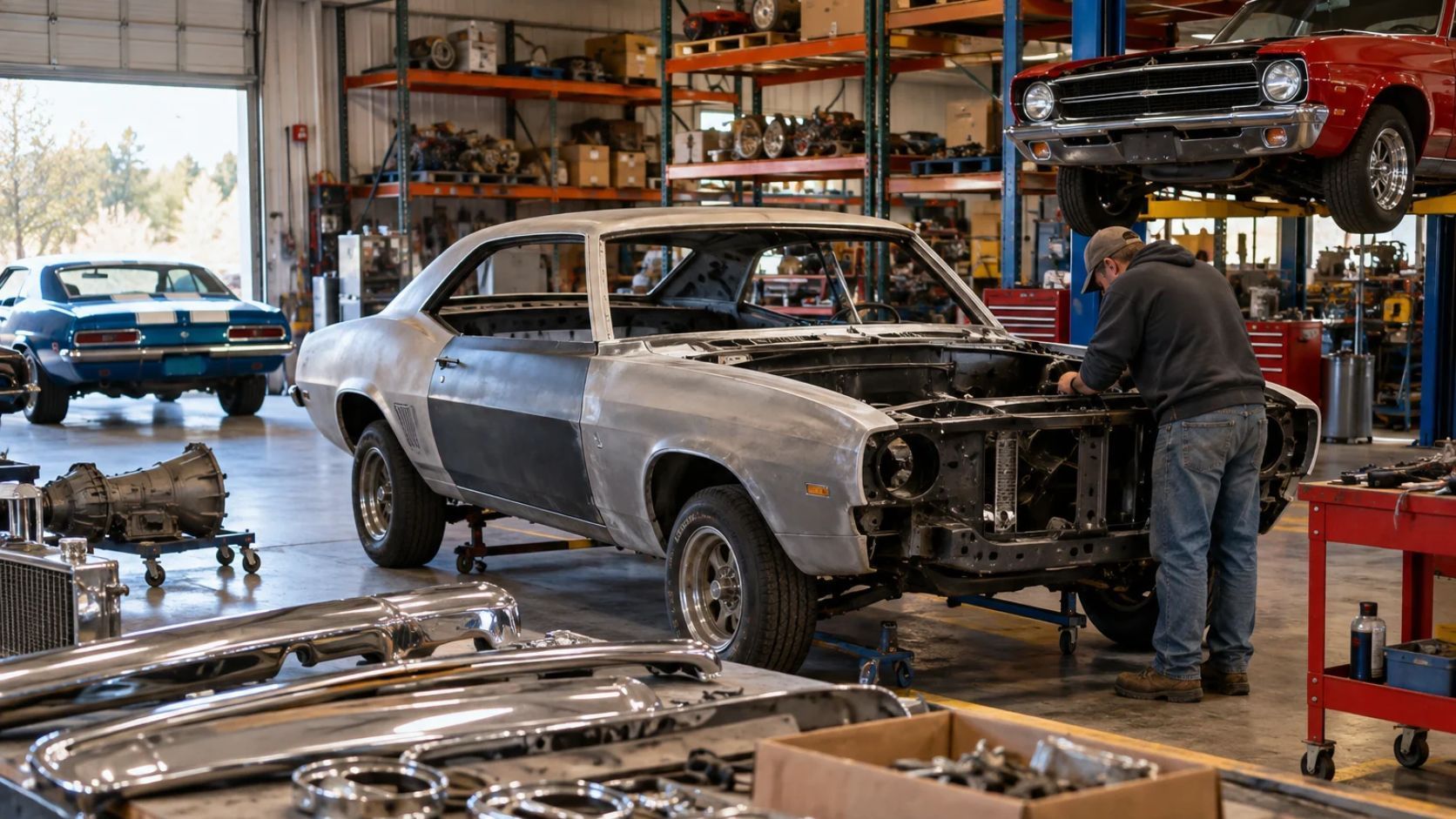
Appreciation coverage can also apply after you complete a restoration phase. If you've just invested $40,000 in a bare-metal repaint and interior retrim, contact your insurer immediately to adjust the agreed value. Waiting until renewal creates a coverage gap that could be catastrophic.
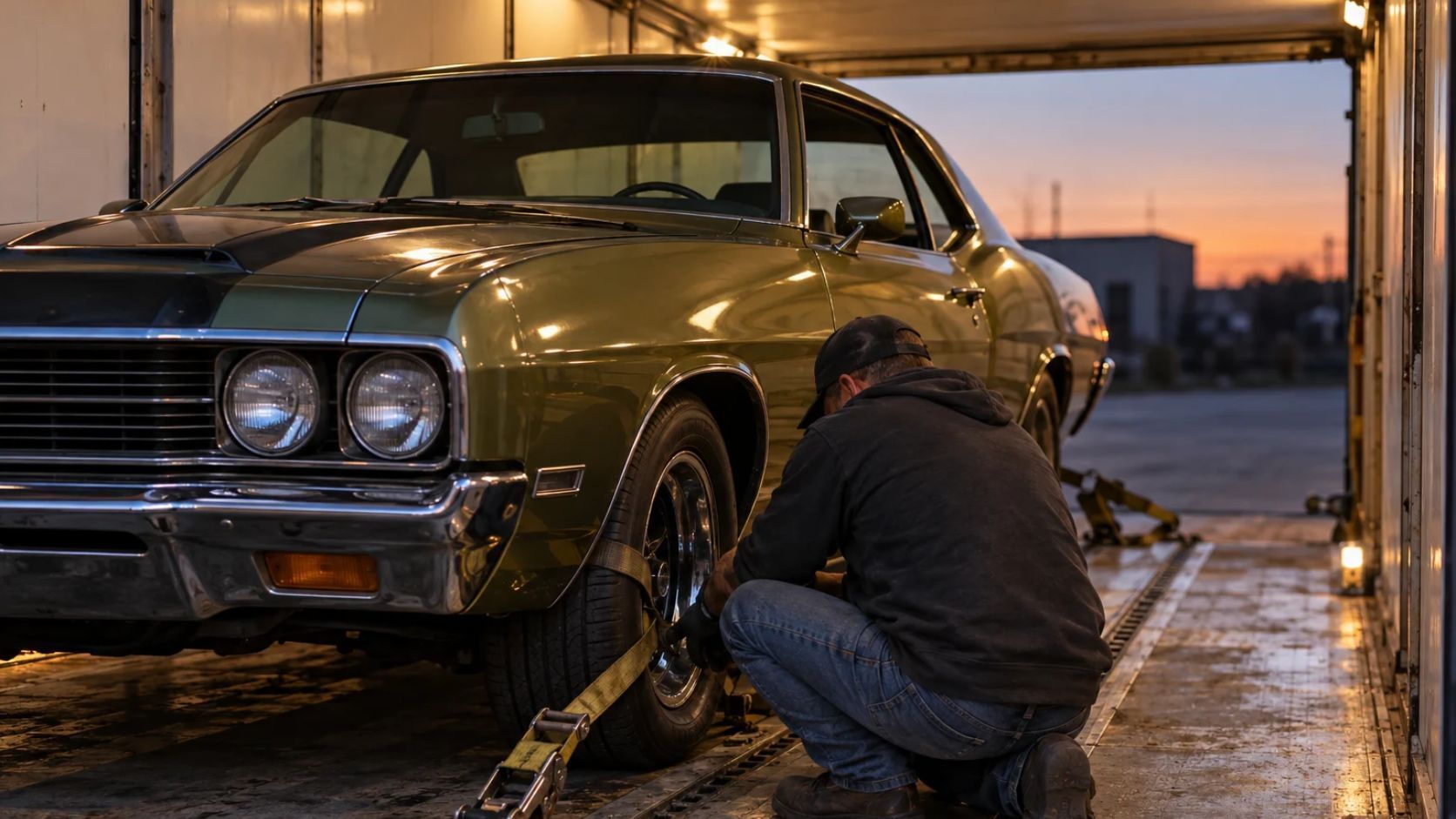
Collectors who exhibit internationally or purchase vehicles overseas need coverage that doesn't stop at the border. Worldwide insurance for owners and collectors addresses the specific risks of moving high-value vehicles across oceans and through foreign jurisdictions.
Transit and Shipping Liability
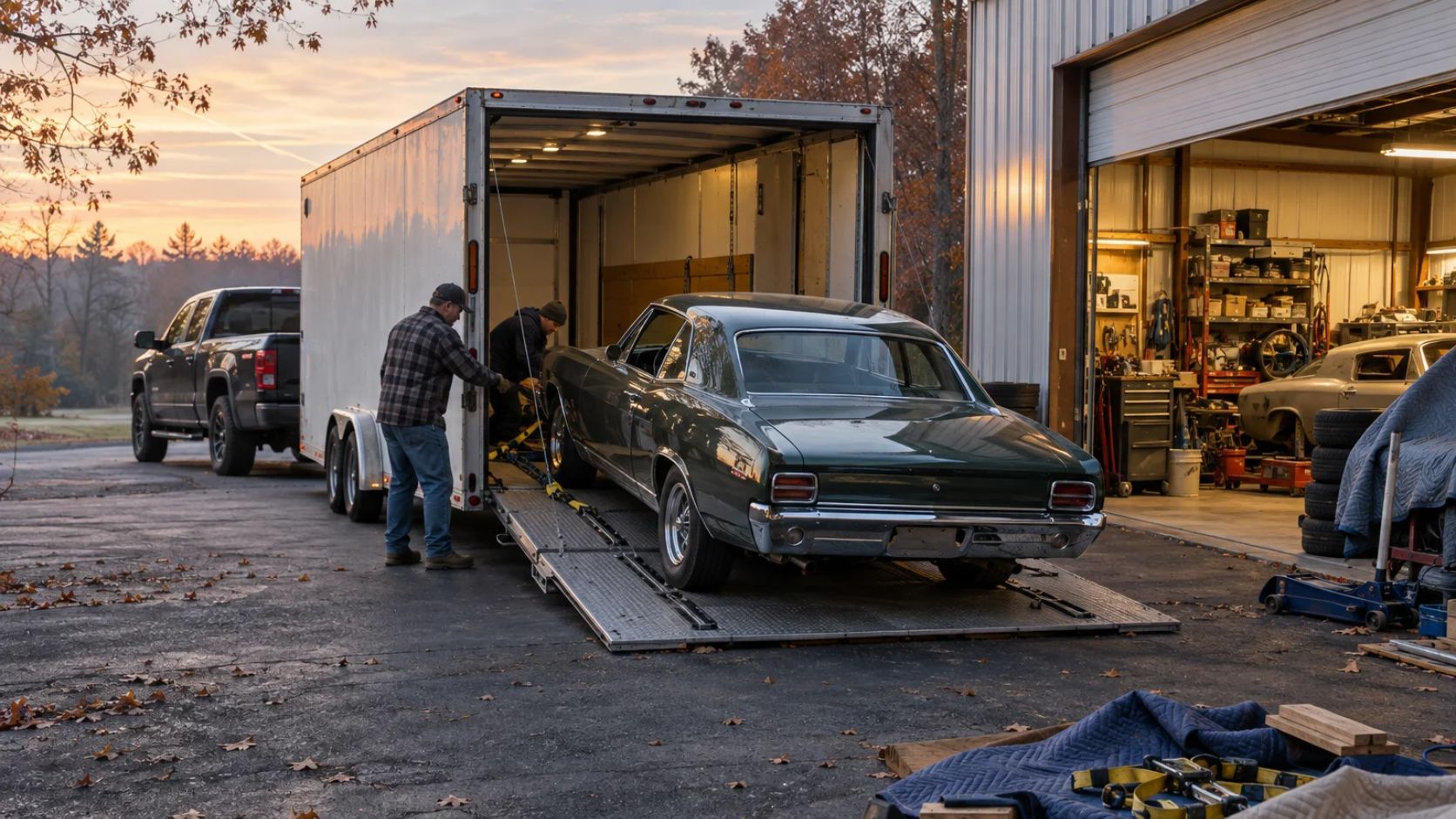
Enclosed transport within the U.S. carries its own risks, but international shipping adds complexity. Marine cargo insurance covers the vehicle while it's on a vessel, but standard policies often exclude damage from improper securing, saltwater intrusion, or loading/unloading incidents. A dedicated transit rider should cover the vehicle from the moment it leaves your facility until it arrives at its destination, including all intermediate handling.
Get the carrier's insurance certificate before shipping, and compare their coverage limits against your vehicle's agreed value. Many transport companies carry only $100,000 to $250,000 in cargo coverage per vehicle, which may be insufficient for a seven-figure collection piece.
Foreign Exhibition and Concours Coverage
Showing a vehicle at Goodwood, Villa d'Este, or Pebble Beach requires coverage that's active in the host country. Some policies provide automatic worldwide coverage, while others require a specific endorsement for each international trip. The endorsement should cover the vehicle during transit, display, and any demonstration runs or rallies associated with the event.
Liability coverage abroad is equally important. If your vehicle causes damage at a foreign venue, your domestic policy may not respond. Work with an experienced advisor: Avery Insurance Agency has spent over 125 years building custom solutions for clients with complex asset protection needs, including collections that travel globally.
Usage Limits and Storage Requirements
Every collector policy comes with restrictions. Understanding them prevents claim denials and helps you secure the best possible rates.
Mileage Restrictions and Pleasure Use Rules
Most specialty policies cap annual mileage between 2,500 and 5,000 miles. Some offer higher limits for an additional premium. "Pleasure use" typically means driving to car shows, club events, occasional weekend cruises, and maintenance runs. It does not include commuting, rideshare, racing, or commercial use.
Track day coverage is available through some insurers as a separate endorsement, but it's expensive and often carries a high deductible. If you participate in vintage racing, disclose it upfront. A denied claim because you failed to mention track use is far more expensive than the endorsement premium.
Garage and Security Standards for Premium Discounts
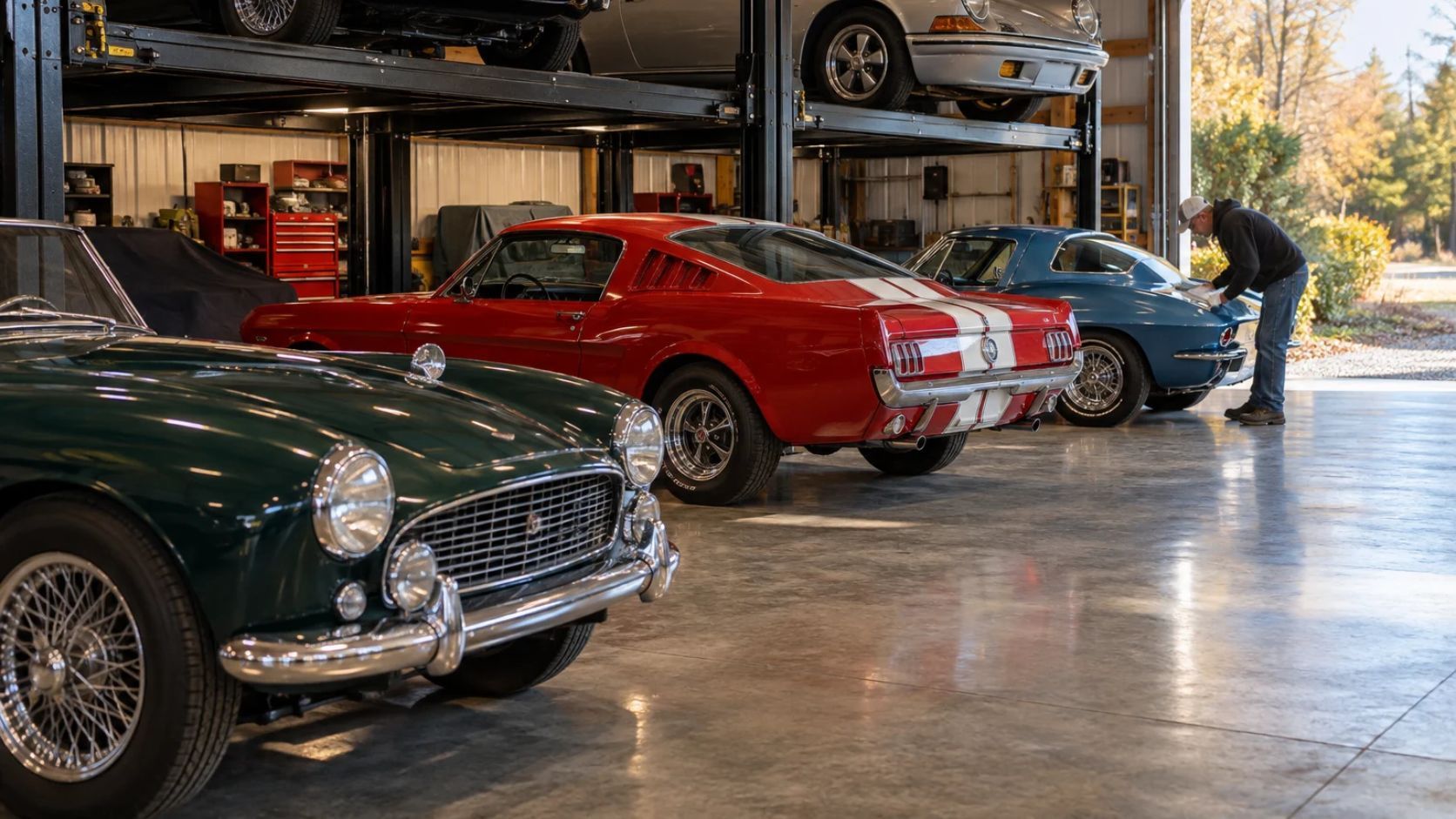
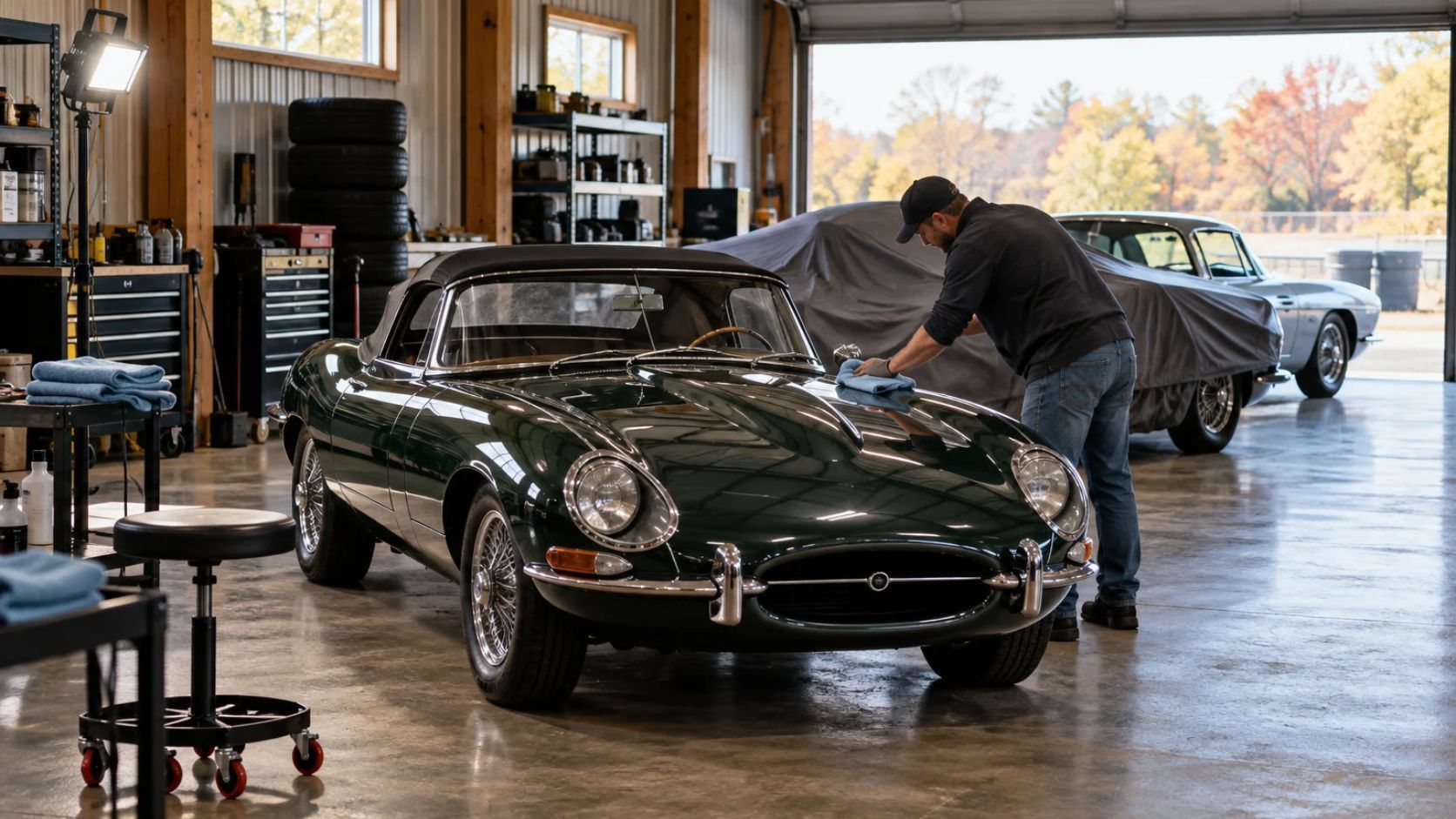
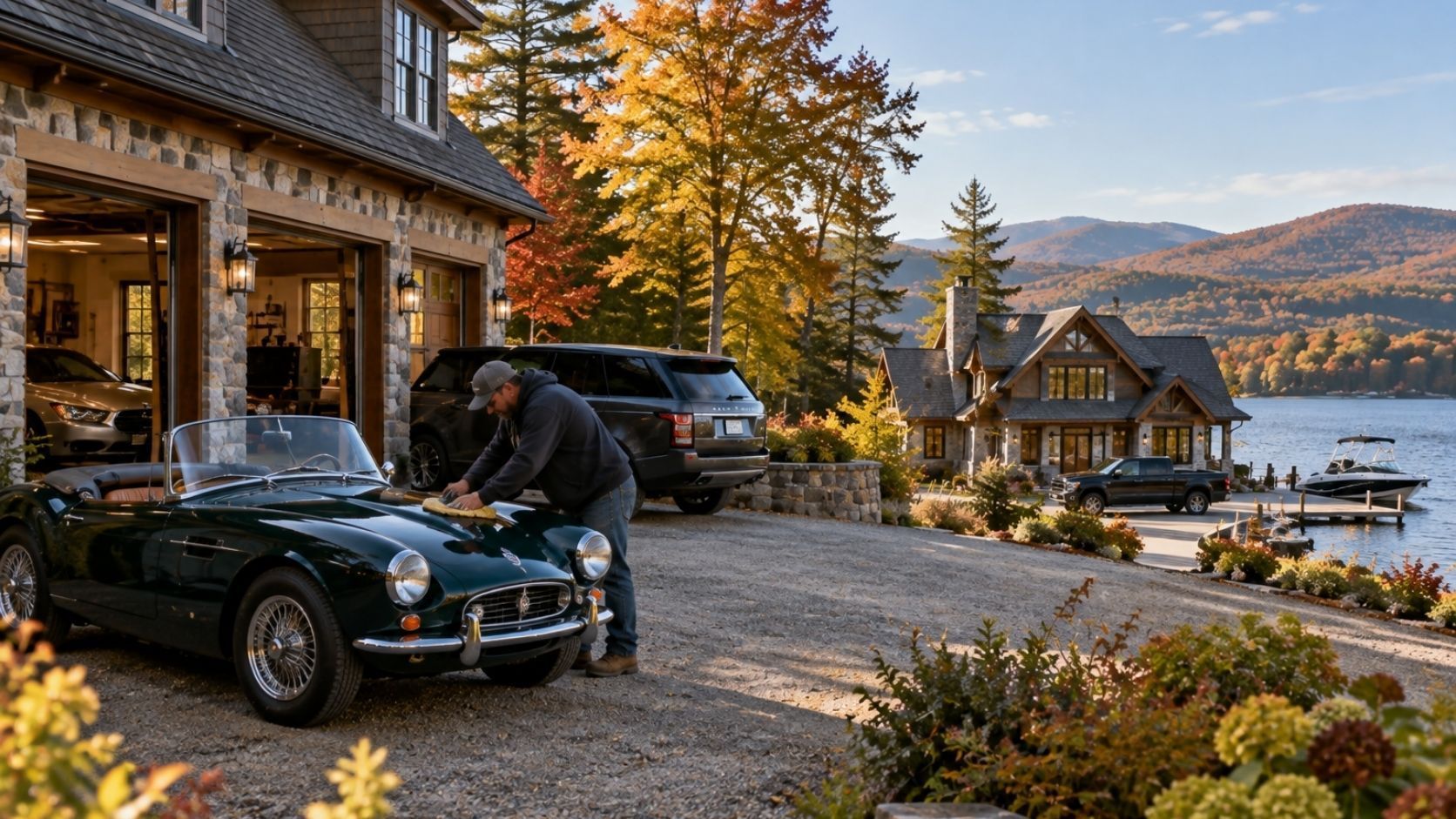
Where and how you store your vehicles directly affects your premium. Secure storage in a locked, climate-controlled garage can reduce classic car insurance premiums by 40% to 50% compared to standard rates. Some insurers require photos of your storage facility during the underwriting process.
Investments in fire suppression systems, security cameras, and alarm monitoring can qualify you for additional discounts. If you're building or upgrading a garage specifically for your collection, mention it to your insurer before the project is complete so the discount applies as soon as the improvements are in place.
Selecting the Right Policy for Long-Term Preservation
The right collector vehicle policy isn't just about today's value: it's about protecting an asset that will likely be worth more in ten or twenty years. Start with an accurate, professional appraisal. Choose agreed value coverage over stated value every time. Schedule high-value components and spare parts individually. And if your collection crosses borders, make sure your coverage does too.
One thing that separates a good experience from a frustrating one is working with an advisor who understands collector vehicles, not just insurance. Avery Insurance Agency's consultative approach means they'll identify gaps you might not have considered, from appreciation coverage to transit liability, so you can enjoy your vehicles without worrying about what happens if something goes wrong.
Frequently Asked Questions
Can I insure a modified classic car, or does it need to be original? Yes, modified vehicles are insurable. The key is documenting every modification with receipts and photos so the agreed value reflects the total investment, including custom work.
Do I need a separate policy for each vehicle in my collection? Most specialty insurers offer multi-vehicle policies that cover your entire collection under one policy, often with volume discounts starting at three or more vehicles.
What happens if my classic car appreciates significantly between appraisals? Your agreed value stays at whatever was set when the policy was written or last renewed. That's why updating appraisals every two to three years is critical, especially in hot market segments.
Is classic car insurance valid if I drive to work once a week? Generally no. Most collector policies exclude commuting. If you need occasional commuter use, discuss it with your insurer: some offer hybrid policies, but the premium will be higher.
How old does a car need to be to qualify? It depends on the insurer. The most common threshold is 25 years, though some require 30 years and others accept newer limited-production vehicles on a case-by-case basis.
ABOUT THE AUTHOR:
Tod O’Dowd, CIC, CAPI
I'm the President of Avery Insurance Agency, a family-owned independent agency serving individuals and businesses across New England and in 40+ states. With a hands-on, consultative approach to personal and commercial risk, I help clients — from high-net-worth homeowners and contractors to restaurant owners and property managers — find the right coverage without the guesswork of working with a single-carrier agent.
What Our Clients Say
Trusted by Families and Businesses for Over a Century
Trusted by New Hampshire Families and Businesses for Over a Century

Your Life. Protected.
Complete Personal Insurance for Individuals Who Expect More
One Agency. Every Coverage You Need. No Gaps, No Surprises.
Home Insurance
Your home is your most valuable asset. Avery’s home insurance protects your property, belongings, and liability so you can feel secure no matter what happens.
High-Value Home Insurance
Own a home valued over $2 million? Our Premier Client Services program provides coverage built around high-value properties and the unique risks they carry.
Auto Insurance
Whether you drive a daily commuter, a classic car, or a motorcycle, Avery finds the right auto coverage for your vehicle and your budget.
Boat & Watercraft Insurance
From small boats on New Hampshire’s lakes to luxury yachts, Avery provides watercraft insurance covering your vessel, passengers, and liability on the water.
Umbrella / Personal Liability Insurance
An umbrella policy adds an extra layer of liability protection above your home and auto coverage. One of the most cost-effective ways to protect your financial future.
Valuable Possessions Insurance
Jewelry, art, collectibles, and other high-value items need coverage beyond a standard homeowners policy. Avery insures your most prized possessions at full appraised value.
Protect Your Business & Livelihood
Commercial Insurance Solutions Designed for New England Businesses.
Comprehensive Commercial Coverage That Keeps Your Business Running
General Liability Insurance
Protect your business from third-party claims of bodily injury, property damage, and personal injury. General liability is the foundation of any solid business insurance program.
Commercial Property Insurance
Covers your building, equipment, inventory, and other physical assets against fire, theft, vandalism, and other covered losses. Keep your business protected from the unexpected.
Workers’ Compensation Insurance
Workers’ comp covers medical costs and lost wages when an employee is injured on the job. Avery helps businesses meet state compliance requirements and manage costs effectively.
Cyber Liability Insurance
Data breaches and cyberattacks are a growing risk for businesses of all sizes. Cyber liability covers response costs, legal fees, and customer notification expenses after a security incident.
Employment Practices Liability Insurance
Covers your business against employee claims of wrongful termination, discrimination, harassment, and related issues. Essential for any business with employees.
Commercial Auto Insurance
Whether a single truck or a full fleet, commercial auto insurance protects your business against accidents, damage, and liability on the road.
We Know Your Industry
Tailored Insurance Programs for the Industries That Drive New Hampshire
We Understand the Risks Your Industry Faces — and How to Manage Them
Contractors Insurance
From general contractors to specialty trades, Avery understands the unique liability and property exposures your business faces on every job site in New England. We build coverage programs that keep your crew and company protected.
Restaurants & Hospitality
Restaurants, hotels, and marinas face distinct risks — from slip-and-fall liability to liquor liability and food spoilage. Avery designs coverage programs for the specific needs of the hospitality industry.
Real Estate & Property
Whether you own a portfolio of investment properties or manage a condo association, Avery provides the right mix of property, liability, and management coverage to protect your real estate investments.
We Make It Simple
Getting Covered with Avery Is Easy

Step 01
Connect with an Avery Advisor
Call, email, or request a coverage online and we will respond the same business day.

Step 02
We Build Your Coverage Plan
We shop top-rated carriers, compare your options, and recommend the best fit for your needs.

Step 03
You Get Protected and Stay Protected
We place your coverage, review it annually, and advocate for you if you ever need to file a claim.
Let’s Clear Things Up
Got Questions? We’ve Got Answers.
Straight Answers From the Advisors Who Know This State Best
What does it mean that Avery is an independent insurance agency?
An independent agency like Avery is not tied to any single insurance company. We represent multiple top-rated carriers, which means we can shop the market on your behalf and recommend the coverage that truly fits your needs — not the one that benefits any single insurer.
This independence gives you access to more options and unbiased advice. Our advisors are compensated to serve your interests, not to push a specific product. That is a significant advantage over captive agents who can only offer one carrier’s policies.
How much does it cost to work with an Avery advisor?
There is no direct cost to you for working with an Avery advisor. Independent agents are compensated through commissions paid by the insurance carriers when a policy is placed. You receive expert guidance, market comparisons, and ongoing service at no extra charge.
In fact, many clients find that working with Avery saves them money. Our advisors know how to identify the right coverage levels so you are not paying for protection you do not need, and you are not left exposed where you do.
Does Avery help with claims?
Yes — and this is one of the most important things that sets Avery apart. When you have a claim, our in-house claims advisors go to work for you. We guide you through the process, communicate with the insurance company, and advocate for a fair and timely outcome.
Several of our team members hold professional claims designations, including AIC and AINS. We do not just help you file paperwork — we actively represent your interests to make sure you receive the full benefit your policy provides.
Where in New Hampshire does Avery provide coverage?
Avery serves clients throughout the state of New Hampshire from our offices in Wolfeboro and Portsmouth. Whether you live in the Lakes Region, the Seacoast, the White Mountains, or the Merrimack Valley, an Avery advisor is ready to help you find the right coverage.
Our advisors understand the specific risks that come with living and doing business in New Hampshire — from harsh winter weather to seasonal watercraft exposure. We apply that local knowledge to every coverage recommendation we make.
How does Avery handle high-value homes and assets?
Avery offers a dedicated Premier Client Services program for clients with homes valued over .5 million, significant investment portfolios, fine art collections, jewelry, yachts, and other complex assets. This program pairs you with a specialist who understands the unique risks of high-net-worth households.
Through carriers that specialize in high-value personal lines, we provide guaranteed replacement cost coverage, agreed value policies, and comprehensive risk management strategies. Your advisor will conduct a detailed review of your full asset portfolio to make sure nothing is overlooked or underinsured.
How often should I review my insurance coverage?
Avery recommends a full coverage review at least once a year. Major life events — buying a home, starting a business, adding a vehicle, getting married, or making significant home improvements — are all good triggers for an immediate review outside your annual cycle.
Insurance needs change over time, and policies that were right for you a few years ago may leave gaps today. Avery advisors proactively reach out to clients for annual reviews and keep up with changes in the insurance market that could affect your coverage or premium. Our goal is to make sure you are always protected and never paying for coverage that no longer fits.
Insurance Tips & News
Stay Informed with the Avery Blog
Practical Insurance Advice for New Hampshire Families and Business Owners




Contact Us
Portsmouth (HQ)
7 Islington St #102, Portsmouth, NH 03801
Phone Number: 603.766.3733
Wolfeboro
21 S Main Street, Wolfeboro, NH 03894
Phone Number: 603.569.2515