
New Hampshire
General Liability Insurance
Call Us: 603-766-3733
A single slip-and-fall at your storefront. A client's laptop destroyed by a burst pipe in your office. A competitor claiming you slandered their business in a social media post. These aren't hypothetical nightmares: they're the kinds of real-world incidents that New Hampshire business owners deal with every year. And without the right insurance, any one of them could drain your bank account faster than a nor'easter melts spring snow. General liability insurance is the foundational coverage that protects New Hampshire businesses from the financial fallout of third-party claims, and understanding how it works in the Granite State, from coverage specifics to state requirements, can mean the difference between a minor setback and a business-ending lawsuit. Whether you run a landscaping crew in Nashua or a consulting firm in Portsmouth, this is the policy you can't afford to skip. The average small business here pays around $135 per month for this protection, but the specifics vary wildly depending on your industry, headcount, and risk profile. Here's what you actually need to know before you buy.
The Role of General Liability Insurance for New Hampshire Businesses
Defining General Liability in the Granite State
General liability insurance, often shortened to GL, is a commercial policy that covers claims made by third parties: people who aren't your employees. If a customer gets hurt on your property, if you accidentally damage someone else's stuff while doing your work, or if someone alleges your advertising harmed their reputation, GL is the policy that responds. It pays for legal defense, settlements, and judgments up to your policy limits.
New Hampshire doesn't operate in a vacuum here. The state follows a modified comparative negligence system, meaning a plaintiff can only recover damages if they're found to be 50% or less at fault. That's relevant because it affects how claims play out in court and how insurers price risk in the state. A strong GL policy doesn't just pay claims: it also provides your legal defense, even if the lawsuit turns out to be groundless.
Why New Hampshire Small Businesses Need Coverage
Most New Hampshire businesses are small operations. Restaurants, contractors, retail shops, professional services. One lawsuit from a customer who trips over a loose floorboard can easily generate $50,000 or more in legal fees alone, before any settlement. That's enough to sink a business with thin margins.
There's also a practical reality: you often can't do business without it. Landlords require it before signing a lease. General contractors require it before letting a sub on-site. Towns and municipalities require it before issuing event permits. Insurance isn't just protection: it's your ticket to participate in the economy. As one industry expert put it, looking at insurance
as part of your whole business plan should be a key element, not an afterthought you handle once everything else is in place.

By: Tod O’Dowd, CIC, CAPI
President of Avery Insurance Agency
Core Coverage Components of a General Liability Policy
Bodily Injury and Property Damage
This is the backbone of any GL policy. Bodily injury coverage kicks in when a third party is physically hurt because of your business operations or premises. Think of a delivery driver who slips on your icy parking lot or a client who has an allergic reaction to a product you sold. Property damage coverage handles situations where your work or your employees damage someone else's belongings or property: a painter who splatters a client's hardwood floors, for example.
Both coverages apply whether the incident happens at your location or at a job site. For contractors working across multiple towns in New Hampshire, this portability matters.
Personal and Advertising Injury Protection
This is the part of GL that most people forget about until they need it. Personal and advertising injury covers claims of libel, slander, copyright infringement in your ads, wrongful eviction (for landlords), and invasion of privacy. If a competitor claims your marketing materials copied their tagline or misrepresented their product, this is the coverage that responds.
These claims are more common than you'd think, especially for businesses with active social media accounts or aggressive marketing campaigns. A careless post can trigger a defamation claim that costs tens of thousands to defend.
Medical Payments and Legal Defense Costs
Medical payments coverage, often called "med pay," is a no-fault provision. It pays for minor medical expenses when someone is injured on your premises, regardless of who was at fault. Limits are typically small, between $5,000 and $10,000 per person, but the purpose is to handle small incidents quickly and prevent them from becoming lawsuits.
Legal defense costs are covered separately from your policy limits in most GL policies. That's a huge deal. If you have a $1 million per-occurrence limit and a lawsuit costs $200,000 to defend, you still have the full $1 million available for any settlement or judgment. Not all policies work this way, so confirm this with your agent before you sign.
New Hampshire Legal Requirements and Industry Standards
State Statutes vs. Contractual Requirements
Here's something that surprises a lot of business owners: New Hampshire does not legally require most businesses to carry general liability insurance. There's no state statute mandating GL coverage the way there is for workers' compensation (which is required once you have employees) or auto liability (required for registered vehicles).
That said, the absence of a state mandate doesn't mean you can skip it. Contractual requirements fill the gap. Lease agreements, vendor contracts, municipal permits, and client agreements almost universally require proof of GL coverage. If you're a sole proprietor working from home with no clients visiting, maybe you can get away without it. For nearly everyone else, it's a de facto requirement.
Certificate of Insurance (COI) for NH Contractors
Contractors in New Hampshire deal with COI requests constantly. A Certificate of Insurance is a standardized document proving you carry specific coverages at specific limits. General contractors, property managers, and project owners all request them before allowing work to begin.
The standard expectation for most commercial projects is $1 million per occurrence and $2 million aggregate. Some larger projects or government contracts require higher limits. Getting a COI is straightforward: your insurance agent issues it, usually within 24 hours. Agencies like Avery Insurance Agency, which has been handling these requests for New Hampshire businesses since 1899, can often turn them around the same day because they understand the local contracting landscape and what project owners expect to see.
Determining Appropriate Coverage Limits and Deductibles
Common Per-Occurrence and Aggregate Limits
Most small businesses in New Hampshire start with what's called a 1/2 policy: $1 million per occurrence and $2 million general aggregate. The per-occurrence limit is the maximum the insurer will pay for a single claim. The aggregate is the total payout for all claims during the policy period, typically one year.
| Coverage Element | Standard Limits | Higher Limits |
|---|---|---|
| Per-Occurrence | $1,000,000 | $2,000,000+ |
| General Aggregate | $2,000,000 | $5,000,000+ |
| Medical Payments | $5,000 per person | $10,000 per person |
| Personal/Advertising Injury | $1,000,000 | $2,000,000 |
| Damage to Rented Premises | $100,000 | $300,000+ |
Businesses with higher exposure, like those with significant foot traffic, expensive client projects, or contractual obligations, often need umbrella policies to extend these limits further.
Factors Influencing Policy Premiums in New Hampshire
Premiums in New Hampshire can range from $28 to $370 per month depending on several variables. Your industry is the biggest factor: a roofing contractor pays dramatically more than a freelance graphic designer. Claims history matters too. A clean record keeps premiums low, while even one paid claim can bump your rates for years.
One detail that catches people off guard:
adding even one employee can nearly double your GL premium. More people means more exposure. Revenue, location, and the specific operations you perform also play into the calculation. A business generating $500,000 in annual revenue will pay more than one generating $100,000, all else being equal.
What General Liability Does Not Cover
GL has real limits, and misunderstanding them is one of the most common mistakes business owners make. Here's what's typically excluded:
- Professional errors or bad advice (you need professional liability/E&O for that)
- Employee injuries (covered by workers' compensation)
- Auto accidents during business use (covered by commercial auto)
- Damage to your own property (covered by commercial property insurance)
- Intentional acts or criminal behavior
- Pollution and environmental contamination
- Cyber breaches and data theft
If you're a consultant, accountant, or anyone whose work involves giving advice, a GL policy alone leaves a massive gap. Professional liability fills it.
Bundling with a Business Owner's Policy (BOP)
For many small businesses, a Business Owner's Policy is the smartest move. A BOP bundles general liability with commercial property insurance and often business interruption coverage into a single, discounted package. It's typically cheaper than buying each policy separately, and it simplifies your renewals.
BOPs work well for businesses with a physical location: retail stores, offices, restaurants, small manufacturers. They're less ideal for contractors or businesses with complex risk profiles that need more customized coverage. An agency with a consultative approach, like Avery Insurance Agency, can help you figure out whether a BOP makes sense or whether you need a more tailored portfolio. Their team builds custom solutions around each client's specific risks and assets, which is especially valuable for businesses with unique exposures.
How to Secure and Manage Your Policy in New Hampshire
Getting the right GL policy isn't just about finding the cheapest quote online. Start by documenting your operations clearly: what you do, where you do it, how many people you employ, and your annual revenue. These details directly affect your premium and coverage terms.
Work with an independent agent who represents multiple carriers. This gives you access to competitive pricing without being locked into a single insurer's limitations. Review your policy annually, especially if your business has grown, you've added employees, or you've started offering new services. A policy that fit your business two years ago might leave you dangerously underinsured today.
Keep your COIs organized and accessible. Set calendar reminders for renewal dates. And report claims promptly: late reporting is one of the fastest ways to jeopardize your coverage.
New Hampshire's insurance market is relatively stable, with
workers' compensation rates seeing their 14th consecutive annual reduction, which signals a healthy overall commercial insurance environment. That stability benefits GL buyers too, keeping premiums competitive.
Frequently Asked Questions
Is general liability insurance required by law in New Hampshire? No. New Hampshire doesn't mandate GL coverage by statute, but most contracts, leases, and permits require it as a condition of doing business.
How much does GL insurance cost for a small NH business? The average runs about $135 per month for businesses with one to four employees, though your actual cost depends on industry, revenue, and claims history.
Does GL cover my employees if they get hurt? No. Employee injuries are handled by workers' compensation insurance, which is a separate and legally required policy once you have employees in New Hampshire.
What's the difference between GL and professional liability? GL covers physical injuries and property damage caused by your business. Professional liability covers financial harm caused by your professional advice, errors, or omissions.
Can I get GL insurance if I'm a sole proprietor with no employees? Absolutely. Many sole proprietors carry GL to protect personal assets and to meet client or landlord requirements.
Making the Right Choice for Your Business
General liability insurance is the foundation of every smart risk management strategy for New Hampshire businesses. It won't cover everything, but it handles the claims most likely to show up at your door: injuries, property damage, and reputational harm from third parties. Get the right limits, understand your exclusions, and review your coverage every year as your business evolves. If you want a partner who will look at your full risk picture rather than just sell you a policy, reach out to Avery Insurance Agency for a consultative review tailored to your specific operations and goals.
ABOUT THE AUTHOR:
Tod O’Dowd, CIC, CAPI
I'm the President of Avery Insurance Agency, a family-owned independent agency serving individuals and businesses across New England and in 40+ states. With a hands-on, consultative approach to personal and commercial risk, I help clients — from high-net-worth homeowners and contractors to restaurant owners and property managers — find the right coverage without the guesswork of working with a single-carrier agent.
What Our Clients Say
Trusted by Families and Businesses for Over a Century
Trusted by New Hampshire Families and Businesses for Over a Century

Your Life. Protected.
Complete Personal Insurance for Individuals Who Expect More
One Agency. Every Coverage You Need. No Gaps, No Surprises.
Home Insurance
Your home is your most valuable asset. Avery’s home insurance protects your property, belongings, and liability so you can feel secure no matter what happens.
High-Value Home Insurance
Own a home valued over $2 million? Our Premier Client Services program provides coverage built around high-value properties and the unique risks they carry.
Auto Insurance
Whether you drive a daily commuter, a classic car, or a motorcycle, Avery finds the right auto coverage for your vehicle and your budget.
Boat & Watercraft Insurance
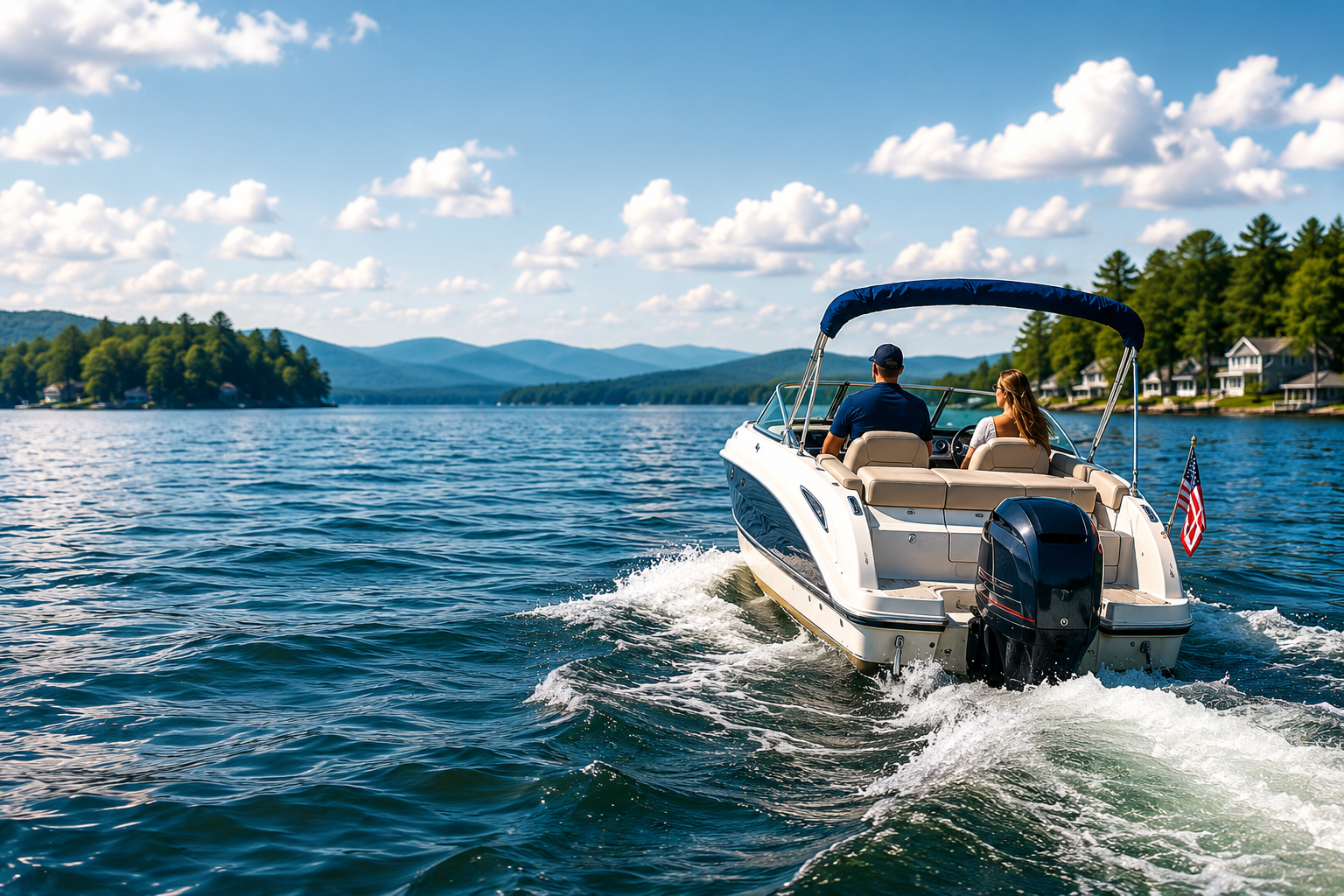
From small boats on New Hampshire’s lakes to luxury yachts, Avery provides watercraft insurance covering your vessel, passengers, and liability on the water.
Umbrella / Personal Liability Insurance
An umbrella policy adds an extra layer of liability protection above your home and auto coverage. One of the most cost-effective ways to protect your financial future.
Valuable Possessions Insurance
Jewelry, art, collectibles, and other high-value items need coverage beyond a standard homeowners policy. Avery insures your most prized possessions at full appraised value.
Protect Your Business & Livelihood
Commercial Insurance Solutions Designed for New England Businesses.
Comprehensive Commercial Coverage That Keeps Your Business Running
General Liability Insurance
Protect your business from third-party claims of bodily injury, property damage, and personal injury. General liability is the foundation of any solid business insurance program.
Commercial Property Insurance
Covers your building, equipment, inventory, and other physical assets against fire, theft, vandalism, and other covered losses. Keep your business protected from the unexpected.
Workers’ Compensation Insurance
Workers’ comp covers medical costs and lost wages when an employee is injured on the job. Avery helps businesses meet state compliance requirements and manage costs effectively.
Cyber Liability Insurance
Data breaches and cyberattacks are a growing risk for businesses of all sizes. Cyber liability covers response costs, legal fees, and customer notification expenses after a security incident.
Employment Practices Liability Insurance
Covers your business against employee claims of wrongful termination, discrimination, harassment, and related issues. Essential for any business with employees.
Commercial Auto Insurance
Whether a single truck or a full fleet, commercial auto insurance protects your business against accidents, damage, and liability on the road.
We Know Your Industry
Tailored Insurance Programs for the Industries That Drive New Hampshire
We Understand the Risks Your Industry Faces — and How to Manage Them
Contractors Insurance
From general contractors to specialty trades, Avery understands the unique liability and property exposures your business faces on every job site in New England. We build coverage programs that keep your crew and company protected.
Restaurants & Hospitality
Restaurants, hotels, and marinas face distinct risks — from slip-and-fall liability to liquor liability and food spoilage. Avery designs coverage programs for the specific needs of the hospitality industry.
Real Estate & Property
Whether you own a portfolio of investment properties or manage a condo association, Avery provides the right mix of property, liability, and management coverage to protect your real estate investments.
We Make It Simple
Getting Covered with Avery Is Easy

Step 01
Connect with an Avery Advisor
Call, email, or request a coverage online and we will respond the same business day.

Step 02
We Build Your Coverage Plan
We shop top-rated carriers, compare your options, and recommend the best fit for your needs.
Step 03
You Get Protected and Stay Protected
We place your coverage, review it annually, and advocate for you if you ever need to file a claim.
Let’s Clear Things Up
Got Questions? We’ve Got Answers.
Straight Answers From the Advisors Who Know This State Best
What does it mean that Avery is an independent insurance agency?
An independent agency like Avery is not tied to any single insurance company. We represent multiple top-rated carriers, which means we can shop the market on your behalf and recommend the coverage that truly fits your needs — not the one that benefits any single insurer.
This independence gives you access to more options and unbiased advice. Our advisors are compensated to serve your interests, not to push a specific product. That is a significant advantage over captive agents who can only offer one carrier’s policies.
How much does it cost to work with an Avery advisor?
There is no direct cost to you for working with an Avery advisor. Independent agents are compensated through commissions paid by the insurance carriers when a policy is placed. You receive expert guidance, market comparisons, and ongoing service at no extra charge.
In fact, many clients find that working with Avery saves them money. Our advisors know how to identify the right coverage levels so you are not paying for protection you do not need, and you are not left exposed where you do.
Does Avery help with claims?
Yes — and this is one of the most important things that sets Avery apart. When you have a claim, our in-house claims advisors go to work for you. We guide you through the process, communicate with the insurance company, and advocate for a fair and timely outcome.
Several of our team members hold professional claims designations, including AIC and AINS. We do not just help you file paperwork — we actively represent your interests to make sure you receive the full benefit your policy provides.
Where in New Hampshire does Avery provide coverage?
Avery serves clients throughout the state of New Hampshire from our offices in Wolfeboro and Portsmouth. Whether you live in the Lakes Region, the Seacoast, the White Mountains, or the Merrimack Valley, an Avery advisor is ready to help you find the right coverage.
Our advisors understand the specific risks that come with living and doing business in New Hampshire — from harsh winter weather to seasonal watercraft exposure. We apply that local knowledge to every coverage recommendation we make.
How does Avery handle high-value homes and assets?
Avery offers a dedicated Premier Client Services program for clients with homes valued over .5 million, significant investment portfolios, fine art collections, jewelry, yachts, and other complex assets. This program pairs you with a specialist who understands the unique risks of high-net-worth households.
Through carriers that specialize in high-value personal lines, we provide guaranteed replacement cost coverage, agreed value policies, and comprehensive risk management strategies. Your advisor will conduct a detailed review of your full asset portfolio to make sure nothing is overlooked or underinsured.
How often should I review my insurance coverage?
Avery recommends a full coverage review at least once a year. Major life events — buying a home, starting a business, adding a vehicle, getting married, or making significant home improvements — are all good triggers for an immediate review outside your annual cycle.
Insurance needs change over time, and policies that were right for you a few years ago may leave gaps today. Avery advisors proactively reach out to clients for annual reviews and keep up with changes in the insurance market that could affect your coverage or premium. Our goal is to make sure you are always protected and never paying for coverage that no longer fits.
Insurance Tips & News
Stay Informed with the Avery Blog
Practical Insurance Advice for New Hampshire Families and Business Owners






Contact Us
Portsmouth (HQ)
7 Islington St #102, Portsmouth, NH 03801
Phone Number: 603.766.3733
Wolfeboro
21 S Main Street, Wolfeboro, NH 03894
Phone Number: 603.569.2515