
Porsche 911 Insurance
Call Us: 603-766-3733
A pristine 1973 Porsche 911 Carrera RS sells at auction for $1.4 million. The next morning, the new owner calls their standard auto insurer and gets quoted a policy based on "market value" that would pay out a fraction of that purchase price if the car were totaled. This scenario plays out constantly, and it's one of the most expensive mistakes a Porsche collector can make.
Whether you own a single 992 GT3 or a garage full of air-cooled classics, insuring a 911 correctly requires understanding agreed value coverage, scheduled protection for modifications, and worldwide policies for international driving or shipping. Full coverage insurance for a Porsche 911 costs around $4,270 per year, or roughly $356 per month, but that figure tells you almost nothing about whether you'd actually be made whole after a loss. The real question isn't how much you're paying: it's what you'd receive when something goes wrong.
This guide breaks down the specific coverage types that matter for 911 owners and collectors, from appraisal requirements to track day endorsements to transit insurance for cars crossing borders.
Understanding Porsche 911 Valuation and Insurance Fundamentals
The 911 lineup spans six decades and a valuation spectrum that runs from $30,000 daily drivers to eight-figure concours cars. That range creates unique insurance challenges because no single policy structure works for every owner. Getting the fundamentals right means understanding how insurers assign value to your car and why the default approach almost always shortchanges you.
The Difference Between Stated Value and Agreed Value
These two terms sound similar, and insurers don't always clarify the distinction until you file a claim. Stated value means you declare what you think the car is worth, but the insurer reserves the right to pay out the lesser of the stated amount or the actual cash value at the time of loss. If the market dips, or if the adjuster disagrees with your number, you lose.
Agreed value is a binding contract. You and the insurer settle on a specific dollar figure upfront, supported by an appraisal, and that's what gets paid in a total loss: no negotiation, no depreciation adjustment. As one specialty carrier puts it, with agreed value coverage, the policyholder is paid the vehicle's agreed-upon value (less any applicable deductible) in the event of a covered total loss. For any 911 worth more than its original MSRP, agreed value is the only policy structure that makes sense.
Why Standard Market Value Policies Fail Classic 911 Owners
Standard auto insurers use algorithms built for depreciating assets. A 2019 Honda Civic loses value every year, and the policy reflects that. But a 1989 Porsche 911 Speedster does the opposite: it appreciates. Standard policies also ignore provenance, matching numbers, and originality, all of which dramatically affect what a collector would actually pay for your car.
A 30-year-old driver can expect to pay $4,021 per year for full-coverage insurance on a 911 Carrera through a standard carrier. That premium might be competitive, but the payout formula behind it could leave you $50,000 or more short on a well-maintained, low-mileage example.
Appraisal Requirements for Modern GT Models and Air-Cooled Classics
Most agreed value policies require a professional appraisal, and the standards differ by era. For air-cooled 911s (pre-1998), appraisers examine matching numbers, engine case stamps, paint originality, and service history documentation. A thorough appraisal for a six-figure classic typically runs $300 to $500 and should be updated every two to three years as values shift.
Modern GT models like the 991 GT3 RS or 992 GT3 often need appraisals too, especially when purchased above MSRP on the secondary market. Porsche's own insurance program is
available to all vehicles manufactured 1981 or newer, but collectors with pre-1981 cars need specialty carriers. At Avery Insurance Agency, we regularly work with clients to coordinate appraisals and match them with underwriters who genuinely understand the 911 market, not just its sticker price.

By: Tod O’Dowd, CIC, CAPI
President of Avery Insurance Agency
Optimizing Coverage with Scheduled Protection for High-Value Assets
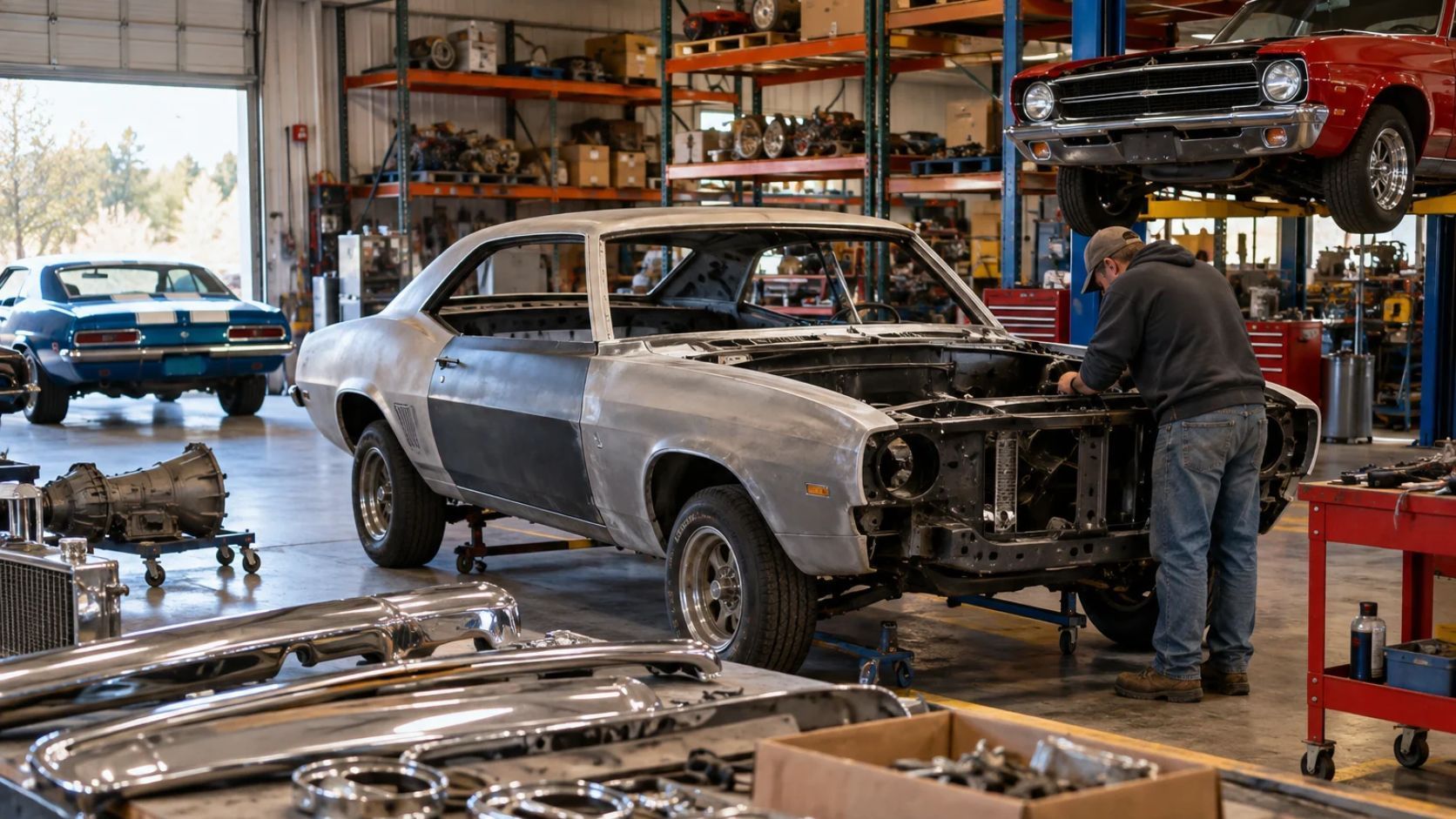
A bone-stock 911 is rare these days. Most owners invest in performance upgrades, cosmetic restorations, or period-correct modifications that significantly increase the car's value. If those additions aren't explicitly listed on your policy, they don't exist as far as your insurer is concerned.
Itemizing Aftermarket Performance Parts and Restorations
Scheduled protection works like an itemized inventory attached to your policy. Every modification gets listed with its value: a $12,000 engine rebuild, $8,000 in suspension work, a $4,500 set of period-correct Fuchs wheels. This matters because standard policies typically cap aftermarket parts coverage at $1,000 to $3,000 total, which barely covers a single set of sport exhaust tips on a 911.
Here's what to document and schedule:
- Engine rebuilds, turbo kits, and ECU tunes with receipts
- Suspension components including coilovers, sway bars, and alignment specs
- Interior restorations: leather, carpeting, gauge clusters, roll cages
- Paint correction, ceramic coatings, or full resprays
- Wheels, tires, and brake upgrades
Keep a digital folder with photos, receipts, and serial numbers. This documentation speeds up claims and eliminates disputes about what was actually on the car.
Diminished Value Protection After an Accident
Even a perfectly repaired 911 loses value after an accident appears on its history report. A 997 Turbo worth $95,000 before a rear-end collision might only fetch $78,000 afterward, even with flawless bodywork. Diminished value coverage compensates for that gap.
Not every state recognizes diminished value claims equally, and not every policy includes this protection automatically. Georgia is one of the strongest states for diminished value claims, while other states limit recovery to third-party claims only. If you own a collectible 911, ask specifically about this coverage: it's one of the most overlooked gaps in collector car policies.
Porsche collectors don't stay in one country. Cars get purchased at European auctions, driven on Alpine tours, and shipped between residences on different continents. Each of these activities creates insurance exposure that domestic policies simply don't cover.
Transit and Shipping Coverage for Global Acquisitions
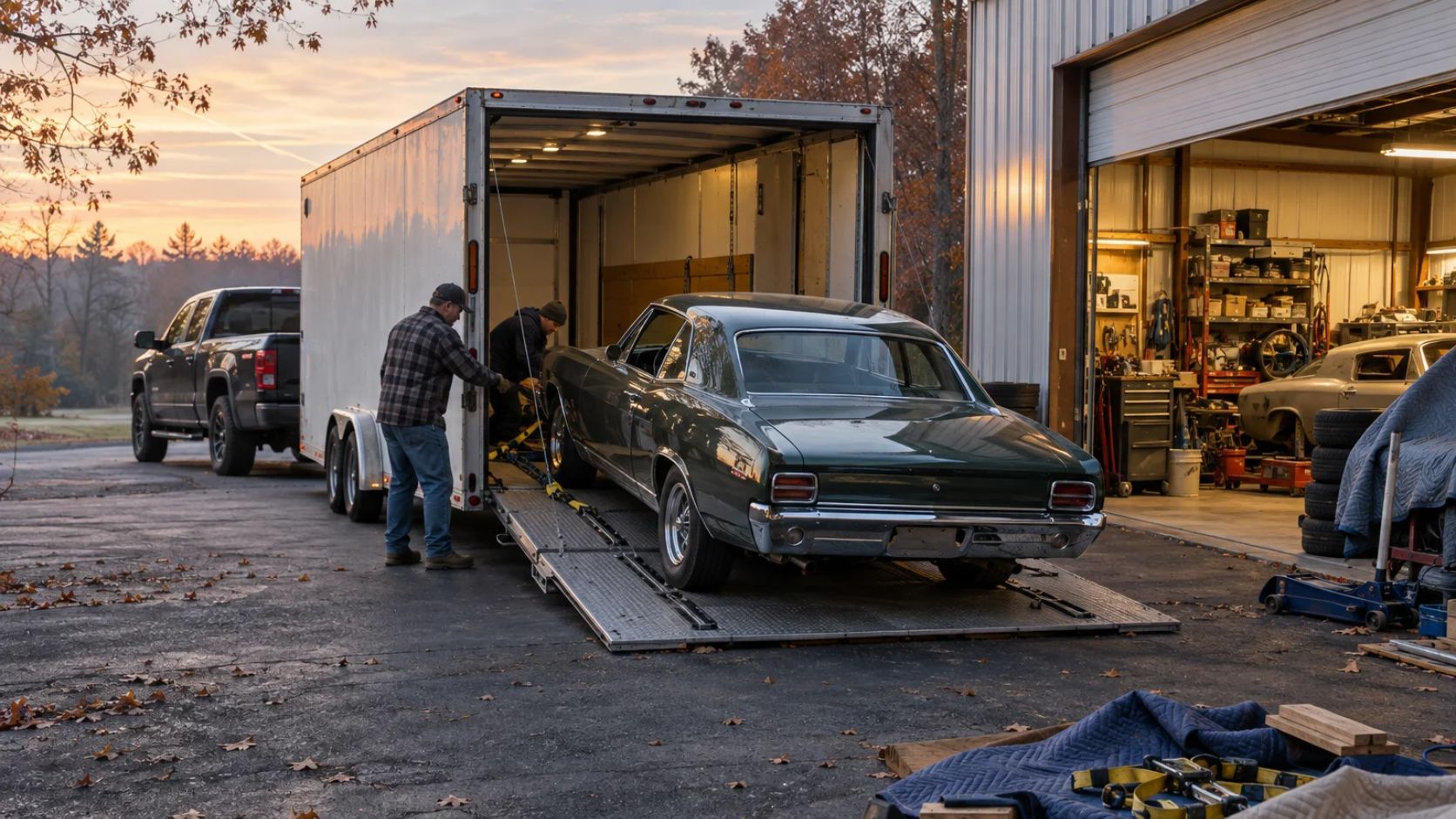
Buying a 911 overseas and shipping it home involves at least three distinct risk phases: storage at the seller's location after purchase, loading and ocean transit, and customs clearance and inland transport to your garage. Marine cargo insurance covers the transit portion, but gaps exist at each handoff point.
A solid transit policy should cover:
- Loading and unloading damage at ports
- Ocean transit including storm, fire, and sinking
- Inland transport from port to final destination
- Customs storage periods
Enclosed container shipping reduces risk compared to roll-on/roll-off, and some underwriters offer lower premiums for enclosed transport. The cost typically runs 1.5% to 2.5% of the car's insured value for a transatlantic shipment.
Foreign Liability and Touring Endorsements
Driving your 911 on European roads requires liability coverage that meets local minimums, which vary significantly by country. Your domestic policy almost certainly excludes foreign driving, and rental car insurance won't cover a car you own.
Touring endorsements extend your existing policy to cover specified countries for a defined period. These endorsements typically add liability, collision, and comprehensive coverage for 30 to 90 days. Location matters for domestic coverage too: drivers in Los Angeles may pay
$298 more annually compared to those in Houston, and international endorsements amplify those regional cost differences.
Specialized Risk Management for Porsche Enthusiasts
Owning a 911 often means more than street driving. Track days, seasonal storage, and high-performance driving education events all create exposures that standard policies exclude, sometimes in fine print that owners don't discover until it's too late.
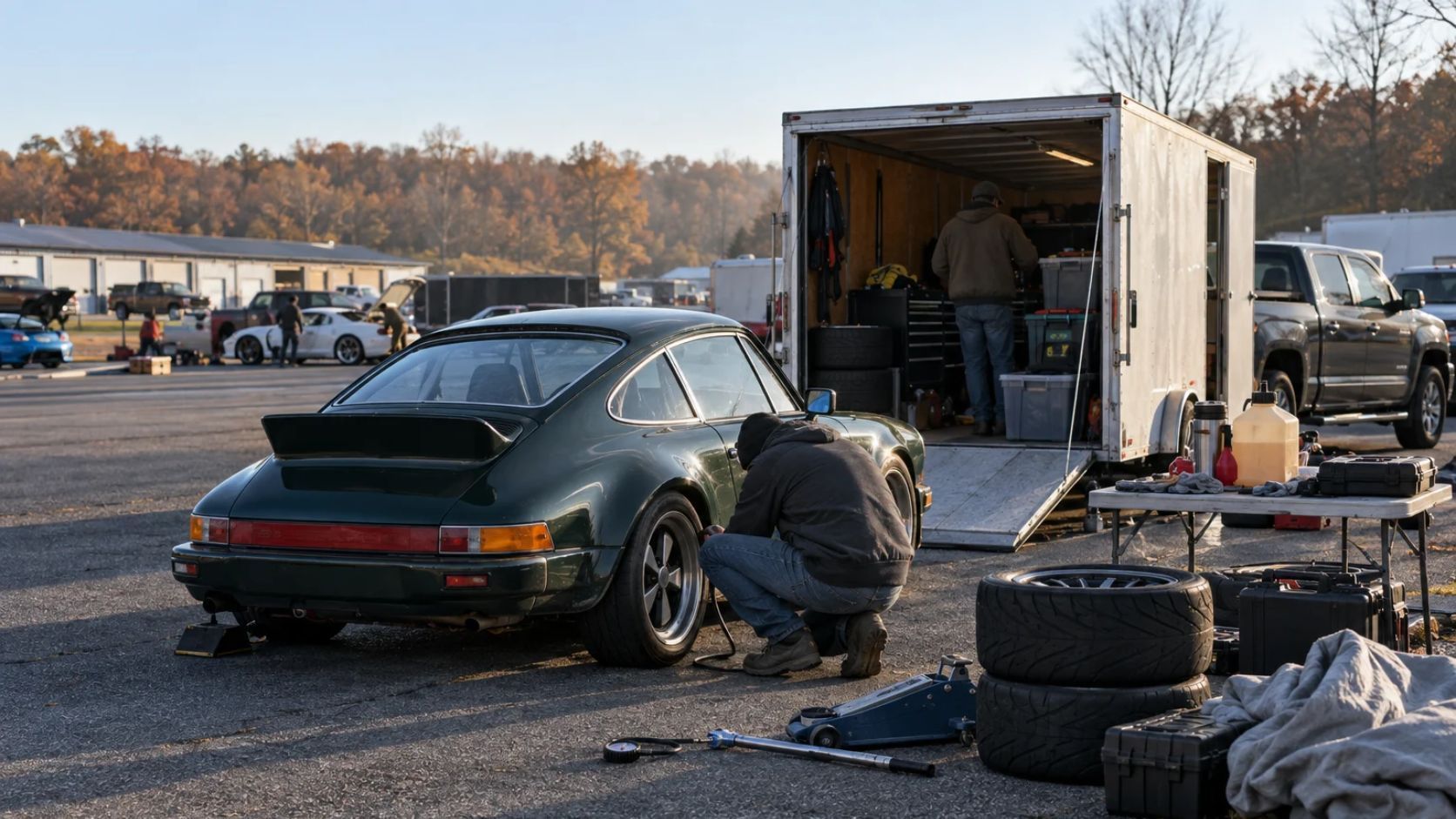
Track Day Coverage and HPDE Insurance Extensions
Here's the hard truth: virtually every standard auto policy excludes coverage for any vehicle operated on a racetrack. That includes casual HPDE events where you're learning heel-toe downshifts, not competing for a podium. One spin into a tire wall at a track day and you're looking at a $40,000 to $150,000 repair bill with zero insurance support.
Specialty track day policies exist as single-event or annual endorsements. They typically cover collision damage to your car only (not liability for hitting someone else's car on track), and premiums range from $300 to $1,200 per event depending on your car's value and the track. Some collectors' policies from carriers like Hagerty or Chubb offer HPDE endorsements built into the annual premium.
Storage-Only Policies for SORN and Seasonal Collections
If your 911 sits in climate-controlled storage for six months of the year, you're overpaying with a full coverage policy. Storage-only or "laid-up" policies cover comprehensive risks like fire, theft, flood, and vandalism while the car isn't being driven. Premiums drop substantially because collision risk disappears.
The
average annual cost to insure a Porsche
sits at $2,342.87, but collectors with multiple cars can reduce that per-vehicle cost dramatically by switching seasonal cars to storage-only coverage during off months. This strategy works especially well for owners with three or more 911s who rotate which cars are road-ready.
Selecting the Right Provider for Your 911 Investment
| Coverage Feature | Standard Auto Policy | Specialty Collector Policy |
|---|---|---|
| Valuation Method | Actual cash value (depreciating) | Agreed value (fixed) |
| Aftermarket Parts | $1,000-$3,000 cap | Scheduled to full value |
| Track Day CoverageTrack Day Coverage | Excluded | Available as endorsement |
| Diminished Value | Rarely included | Often available |
| Foreign Touring | Excluded | Endorsement available |
| Storage Discount | Minimal | Significant laid-up rates |
The right insurer for your 911 isn't the one with the lowest premium: it's the one whose policy actually pays what your car is worth when you need it most. A consultative agency like Avery Insurance Agency, with over 125 years of experience building custom coverage portfolios, can identify the gaps between what you think you're covered for and what your policy actually says. That difference is where six-figure losses hide.
Frequently Asked Questions
Do I need a separate policy for each 911 I own? Not necessarily. Most specialty carriers offer multi-vehicle collector policies that cover your entire collection under one agreed value schedule, often at a lower per-car cost.
How often should I update my agreed value appraisal? Every two to three years, or immediately after completing significant modifications or restorations. The air-cooled market has shifted dramatically in recent years, and outdated appraisals leave money on the table.
Will my insurance cover me if I drive my 911 to a Cars and Coffee event? Yes, pleasure driving to car shows and events is covered under most collector policies. The restriction is typically on daily commuting or commercial use, not occasional outings.
Can I insure a 911 that I keep in another state or country? Yes, but the policy needs to reflect where the car is garaged. Storage location affects both premium calculations and coverage terms, especially for international locations.
What happens if my 911 appreciates beyond my agreed value?
You're only covered up to the agreed amount. This is why regular appraisal updates matter: a car that was worth $180,000 three years ago might be worth $250,000 today, and that $70,000 gap is entirely your risk.
ABOUT THE AUTHOR:
Tod O’Dowd, CIC, CAPI
I'm the President of Avery Insurance Agency, a family-owned independent agency serving individuals and businesses across New England and in 40+ states. With a hands-on, consultative approach to personal and commercial risk, I help clients — from high-net-worth homeowners and contractors to restaurant owners and property managers — find the right coverage without the guesswork of working with a single-carrier agent.
What Our Clients Say
Trusted by Families and Businesses for Over a Century
Trusted by New Hampshire Families and Businesses for Over a Century

Your Life. Protected.
Complete Personal Insurance for Individuals Who Expect More
One Agency. Every Coverage You Need. No Gaps, No Surprises.
Home Insurance
Your home is your most valuable asset. Avery’s home insurance protects your property, belongings, and liability so you can feel secure no matter what happens.
High-Value Home Insurance
Own a home valued over $2 million? Our Premier Client Services program provides coverage built around high-value properties and the unique risks they carry.
Auto Insurance
Whether you drive a daily commuter, a classic car, or a motorcycle, Avery finds the right auto coverage for your vehicle and your budget.
Boat & Watercraft Insurance
From small boats on New Hampshire’s lakes to luxury yachts, Avery provides watercraft insurance covering your vessel, passengers, and liability on the water.
Umbrella / Personal Liability Insurance
An umbrella policy adds an extra layer of liability protection above your home and auto coverage. One of the most cost-effective ways to protect your financial future.
Valuable Possessions Insurance
Jewelry, art, collectibles, and other high-value items need coverage beyond a standard homeowners policy. Avery insures your most prized possessions at full appraised value.
Protect Your Business & Livelihood
Commercial Insurance Solutions Designed for New England Businesses.
Comprehensive Commercial Coverage That Keeps Your Business Running
General Liability Insurance
Protect your business from third-party claims of bodily injury, property damage, and personal injury. General liability is the foundation of any solid business insurance program.
Commercial Property Insurance
Covers your building, equipment, inventory, and other physical assets against fire, theft, vandalism, and other covered losses. Keep your business protected from the unexpected.
Workers’ Compensation Insurance
Workers’ comp covers medical costs and lost wages when an employee is injured on the job. Avery helps businesses meet state compliance requirements and manage costs effectively.
Cyber Liability Insurance
Data breaches and cyberattacks are a growing risk for businesses of all sizes. Cyber liability covers response costs, legal fees, and customer notification expenses after a security incident.
Employment Practices Liability Insurance
Covers your business against employee claims of wrongful termination, discrimination, harassment, and related issues. Essential for any business with employees.
Commercial Auto Insurance
Whether a single truck or a full fleet, commercial auto insurance protects your business against accidents, damage, and liability on the road.
We Know Your Industry
Tailored Insurance Programs for the Industries That Drive New Hampshire
We Understand the Risks Your Industry Faces — and How to Manage Them
Contractors Insurance
From general contractors to specialty trades, Avery understands the unique liability and property exposures your business faces on every job site in New England. We build coverage programs that keep your crew and company protected.
Restaurants & Hospitality
Restaurants, hotels, and marinas face distinct risks — from slip-and-fall liability to liquor liability and food spoilage. Avery designs coverage programs for the specific needs of the hospitality industry.
Real Estate & Property
Whether you own a portfolio of investment properties or manage a condo association, Avery provides the right mix of property, liability, and management coverage to protect your real estate investments.
We Make It Simple
Getting Covered with Avery Is Easy

Step 01
Connect with an Avery Advisor
Call, email, or request a coverage online and we will respond the same business day.

Step 02
We Build Your Coverage Plan
We shop top-rated carriers, compare your options, and recommend the best fit for your needs.
Step 03
You Get Protected and Stay Protected
We place your coverage, review it annually, and advocate for you if you ever need to file a claim.
Let’s Clear Things Up
Got Questions? We’ve Got Answers.
Straight Answers From the Advisors Who Know This State Best
What does it mean that Avery is an independent insurance agency?
An independent agency like Avery is not tied to any single insurance company. We represent multiple top-rated carriers, which means we can shop the market on your behalf and recommend the coverage that truly fits your needs — not the one that benefits any single insurer.
This independence gives you access to more options and unbiased advice. Our advisors are compensated to serve your interests, not to push a specific product. That is a significant advantage over captive agents who can only offer one carrier’s policies.
How much does it cost to work with an Avery advisor?
There is no direct cost to you for working with an Avery advisor. Independent agents are compensated through commissions paid by the insurance carriers when a policy is placed. You receive expert guidance, market comparisons, and ongoing service at no extra charge.
In fact, many clients find that working with Avery saves them money. Our advisors know how to identify the right coverage levels so you are not paying for protection you do not need, and you are not left exposed where you do.
Does Avery help with claims?
Yes — and this is one of the most important things that sets Avery apart. When you have a claim, our in-house claims advisors go to work for you. We guide you through the process, communicate with the insurance company, and advocate for a fair and timely outcome.
Several of our team members hold professional claims designations, including AIC and AINS. We do not just help you file paperwork — we actively represent your interests to make sure you receive the full benefit your policy provides.
Where in New Hampshire does Avery provide coverage?
Avery serves clients throughout the state of New Hampshire from our offices in Wolfeboro and Portsmouth. Whether you live in the Lakes Region, the Seacoast, the White Mountains, or the Merrimack Valley, an Avery advisor is ready to help you find the right coverage.
Our advisors understand the specific risks that come with living and doing business in New Hampshire — from harsh winter weather to seasonal watercraft exposure. We apply that local knowledge to every coverage recommendation we make.
How does Avery handle high-value homes and assets?
Avery offers a dedicated Premier Client Services program for clients with homes valued over .5 million, significant investment portfolios, fine art collections, jewelry, yachts, and other complex assets. This program pairs you with a specialist who understands the unique risks of high-net-worth households.
Through carriers that specialize in high-value personal lines, we provide guaranteed replacement cost coverage, agreed value policies, and comprehensive risk management strategies. Your advisor will conduct a detailed review of your full asset portfolio to make sure nothing is overlooked or underinsured.
How often should I review my insurance coverage?
Avery recommends a full coverage review at least once a year. Major life events — buying a home, starting a business, adding a vehicle, getting married, or making significant home improvements — are all good triggers for an immediate review outside your annual cycle.
Insurance needs change over time, and policies that were right for you a few years ago may leave gaps today. Avery advisors proactively reach out to clients for annual reviews and keep up with changes in the insurance market that could affect your coverage or premium. Our goal is to make sure you are always protected and never paying for coverage that no longer fits.
Insurance Tips & News
Stay Informed with the Avery Blog
Practical Insurance Advice for New Hampshire Families and Business Owners


Contact Us
Portsmouth (HQ)
7 Islington St #102, Portsmouth, NH 03801
Phone Number: 603.766.3733
Wolfeboro
21 S Main Street, Wolfeboro, NH 03894
Phone Number: 603.569.2515