
Commercial Umbrella Insurance
Call Us: 603-766-3733
A single lawsuit can wipe out years of profit. It happens faster than most business owners expect: a delivery van causes a multi-car pileup, a client slips on your property and suffers a spinal injury, or an employee's family files a wrongful death claim after a workplace accident. Your general liability or commercial auto policy might cover $1 million, maybe $2 million. But jury awards have been climbing fast, with
nuclear verdicts increasing 27% in 2025 alone. That's the gap commercial umbrella insurance is designed to fill: excess liability coverage that sits above your general liability, commercial auto, and employers liability policies to protect your business when a catastrophic claim blows past your primary limits.
Defining Commercial Umbrella Insurance and Its Role in Risk Management
Commercial umbrella insurance is a secondary liability policy that kicks in after your primary coverage is exhausted. Think of it as a financial safety net. If your general liability policy has a $1 million per-occurrence limit and a jury awards $2.8 million to an injured party, the umbrella policy covers the remaining $1.8 million, up to its own limit.
This type of coverage has become increasingly popular. The global commercial umbrella insurance market is projected to reach USD 47,354.94 million by 2035, growing at a CAGR of 9.2%. That growth reflects a simple reality: businesses are facing larger and more frequent liability claims, and primary policies alone aren't keeping up.
The Difference Between Umbrella and Excess Liability Coverage
People use "umbrella" and "excess liability" interchangeably, but they're not identical. An excess liability policy strictly follows the terms and conditions of the underlying policy. It adds dollars, nothing more. An umbrella policy can do that too, but it often provides broader coverage, picking up claims that the underlying policy might exclude entirely.
For example, an umbrella policy might cover certain types of personal injury claims, like libel or slander, that your general liability policy doesn't address. The distinction matters when you're comparing quotes. A true umbrella policy typically costs a bit more but fills more gaps.
How Umbrella Policies Sit Atop Primary Liability Layers
Picture your insurance program as a stack. At the bottom, you have your primary policies: general liability, commercial auto, and employers liability. Each has its own per-occurrence and aggregate limits. The umbrella policy sits on top of all three, creating a single additional layer of protection.
When a covered claim exceeds any one of those primary policies, the umbrella responds. One policy, three points of entry. That efficiency is part of what makes umbrella coverage so cost-effective compared to raising the limits on each individual policy separately.

By: Tod O’Dowd, CIC, CAPI
President of Avery Insurance Agency
A commercial umbrella policy doesn't float in isolation. It's anchored to specific underlying policies, and your insurer will require minimum limits on each before they'll issue the umbrella.
Extending General Liability for Third-Party Claims
General liability is the foundation of most business insurance programs. It covers bodily injury, property damage, and personal/advertising injury claims from third parties. Standard limits are often $1 million per occurrence and $2 million aggregate.
Those numbers sound adequate until they're not. A customer who suffers a traumatic brain injury on your premises could easily generate a claim exceeding $3 million once you factor in medical costs, lost wages, and pain and suffering. The umbrella picks up where the general liability policy stops, and it can mean the difference between surviving a lawsuit and closing your doors.
Enhancing Commercial Auto Limits for Fleet Accidents
Commercial auto claims are where umbrella coverage earns its keep most visibly. Vehicle accidents generate some of the largest liability verdicts in the country, especially when serious injuries or fatalities are involved. A company with even a small fleet of vehicles faces real exposure here.
Most commercial auto policies carry $1 million in combined single limits. But a multi-vehicle accident on a highway involving your delivery truck and a family of four? Medical bills alone can surpass that figure. The umbrella extends your auto liability without requiring you to buy a separate, expensive high-limit auto policy.
Protecting Against Employer's Liability and Work-Related Lawsuits
Workers' compensation covers medical bills and lost wages for injured employees, but employers liability, the "Part B" of your workers' comp policy, covers lawsuits where an employee claims the employer's negligence caused their injury. These claims can be significant, particularly in industries like construction, manufacturing, or healthcare.
An umbrella policy extends your employers liability limits, providing an extra cushion against large settlements. This is especially critical in states where third-party-over actions or spousal loss-of-consortium claims can inflate damages well beyond standard policy limits.
Key Benefits and Protection Gaps Addressed
The value of umbrella coverage goes beyond simply adding more dollars to your existing policies. It addresses structural weaknesses in your insurance program that many business owners don't realize exist.
Coverage for Legal Defense Costs and Settlements
Defense costs add up quickly. Even a claim you ultimately win can cost $100,000 or more in attorney fees, expert witnesses, and court costs. Many umbrella policies cover defense costs in addition to the policy limit, meaning your $5 million umbrella gives you $5 million in indemnity plus defense costs on top. Not all policies work this way, so read the fine print, but this feature alone can justify the premium.
Filling Gaps in Underlying Policy Exclusions
Some umbrella policies provide what's called "drop-down" coverage. If your primary policy excludes a particular type of claim but the umbrella doesn't, the umbrella can respond directly, subject to a self-insured retention (usually $10,000 to $25,000). This gap-filling function is one of the biggest advantages of a true umbrella over a simple excess policy.
A common example: your general liability policy might exclude claims arising from operations in certain foreign countries. If your umbrella includes worldwide coverage, it drops down to cover that claim after you pay the retention.
Determining the Right Amount of Coverage for Your Business
There's no universal formula, but there are concrete factors that should guide your decision.
Assessing Industry-Specific Risks and High-Exposure Activities
A consulting firm with five employees and no company vehicles has a very different risk profile than a general contractor running a crew of 40 with a fleet of trucks. The contractor needs substantially more umbrella coverage because their exposure to bodily injury claims is dramatically higher.
Here's a practical comparison:
| Factor | Low-Risk Business | High-Risk Business |
|---|---|---|
| Industry | Professional services, IT | Construction, trucking, manufacturing |
| Typical Primary Limits | $1M/$2M GL | $1M/$2M GL + $1M Auto |
| Recommended Umbrella | $1M - $2M | $5M - $10M+ |
| Common Claim Types | Slip-and-fall, advertising injury | Workplace injury, vehicle accidents, property damage |
| Average Monthly Cost | $40 - $70 | $100 - $300+ |
Small businesses pay an average of $86 per month for commercial umbrella insurance, making it one of the more affordable ways to dramatically increase your liability protection.
Evaluating Contractual Requirements from Clients and Vendors
Many businesses discover they need umbrella coverage not because of a claim, but because a contract demands it. General contractors often require subcontractors to carry $5 million in umbrella coverage. Government contracts, commercial leases, and vendor agreements frequently include similar stipulations.
As one industry expert put it, "Small businesses often need umbrella insurance to comply with contracts that
require higher-than-average limits, often around $5 million." If you're bidding on work that requires specific coverage thresholds, an umbrella policy is often the most economical way to meet them.
Your premium isn't pulled from thin air. Insurers evaluate specific variables to determine what you'll pay.
Underlying Policy Limits and Claims History
Carriers want to see that your primary policies meet minimum thresholds, typically $1 million per occurrence for GL and auto. If your underlying limits are lower, you'll either pay more or be declined. Your claims history over the past three to five years matters enormously. A business with two prior liability claims will pay significantly more than one with a clean record.
Business Size, Revenue, and Geographic Location
Annual revenue is a proxy for exposure: more revenue usually means more customer interactions, more employees, and more vehicles on the road. Geographic location plays a role too, since
North America holds 44% of the commercial umbrella insurance market share, partly because litigation costs in the U.S. are among the highest in the world. A business operating in a plaintiff-friendly jurisdiction like Florida or California should expect higher premiums than one in a less litigious state.
Best Practices for Selecting and Maintaining Your Policy
Getting the right umbrella policy isn't just about buying the cheapest option. Work with an agency that takes the time to review your entire insurance program, not just the umbrella in isolation. At Avery Insurance Agency, we've spent over 125 years helping businesses identify coverage gaps through a consultative approach that looks at the full picture: your operations, contracts, assets, and growth plans.
Review your umbrella limits annually. Businesses grow, add vehicles, hire employees, and take on new contracts. A $2 million umbrella that was sufficient three years ago might be dangerously inadequate today. Ask your agent to run through "what if" scenarios: what happens if your delivery driver causes a fatal accident, or if a customer's child is seriously injured at your facility?
Make sure your underlying policies align with the umbrella's requirements. If your general liability limit drops below the minimum threshold your umbrella requires, the umbrella won't respond fully, and you could be left with an uncovered gap right when you need protection most.
Frequently Asked Questions
Does commercial umbrella insurance cover everything my primary policies cover? Not always. Umbrella policies have their own exclusions. Common exclusions include pollution, professional errors and omissions, and intentional acts. Always compare the umbrella's exclusion list against your primary policies.
Can I buy umbrella coverage without a general liability policy? No. Insurers require you to carry specific underlying policies with minimum limits before they'll issue an umbrella. The umbrella is designed to work with your existing coverage, not replace it.
How quickly does an umbrella policy pay out after a claim? The umbrella only activates after your primary policy's limit is fully exhausted. Once that happens, the umbrella carrier steps in to cover the remaining damages up to the umbrella's limit.
Is umbrella insurance required by law? No state requires it by law, but many contracts, leases, and licensing agreements mandate specific umbrella limits. Losing a contract because you lacked coverage can be more expensive than the premium itself.
How much umbrella coverage does a small business typically need? Most small businesses carry between $1 million and $5 million. The right amount depends on your industry, assets, contracts, and tolerance for risk. An agency like Avery Insurance can help you find the right fit based on your specific situation.
Making the Right Choice for Your Business
Excess liability coverage through a commercial umbrella policy is one of the smartest investments a business can make. The cost is modest relative to the protection it provides, and the consequences of being underinsured are severe. Don't wait for a seven-figure lawsuit to find out your coverage falls short. Talk to an experienced agent, review your contracts, and build a liability program that actually matches your exposure. Your business, your employees, and your personal assets are all worth protecting.
ABOUT THE AUTHOR:
Tod O’Dowd, CIC, CAPI
I'm the President of Avery Insurance Agency, a family-owned independent agency serving individuals and businesses across New England and in 40+ states. With a hands-on, consultative approach to personal and commercial risk, I help clients — from high-net-worth homeowners and contractors to restaurant owners and property managers — find the right coverage without the guesswork of working with a single-carrier agent.
What Our Clients Say
Trusted by Families and Businesses for Over a Century
Trusted by New Hampshire Families and Businesses for Over a Century

Your Life. Protected.
Complete Personal Insurance for Individuals Who Expect More
One Agency. Every Coverage You Need. No Gaps, No Surprises.
Home Insurance
Your home is your most valuable asset. Avery’s home insurance protects your property, belongings, and liability so you can feel secure no matter what happens.
High-Value Home Insurance
Own a home valued over $2 million? Our Premier Client Services program provides coverage built around high-value properties and the unique risks they carry.
Auto Insurance
Whether you drive a daily commuter, a classic car, or a motorcycle, Avery finds the right auto coverage for your vehicle and your budget.
Boat & Watercraft Insurance
From small boats on New Hampshire’s lakes to luxury yachts, Avery provides watercraft insurance covering your vessel, passengers, and liability on the water.
Umbrella / Personal Liability Insurance
An umbrella policy adds an extra layer of liability protection above your home and auto coverage. One of the most cost-effective ways to protect your financial future.
Valuable Possessions Insurance
Jewelry, art, collectibles, and other high-value items need coverage beyond a standard homeowners policy. Avery insures your most prized possessions at full appraised value.
Protect Your Business & Livelihood
Commercial Insurance Solutions Designed for New England Businesses.
Comprehensive Commercial Coverage That Keeps Your Business Running
General Liability Insurance
Protect your business from third-party claims of bodily injury, property damage, and personal injury. General liability is the foundation of any solid business insurance program.
Commercial Property Insurance
Covers your building, equipment, inventory, and other physical assets against fire, theft, vandalism, and other covered losses. Keep your business protected from the unexpected.
Workers’ Compensation Insurance
Workers’ comp covers medical costs and lost wages when an employee is injured on the job. Avery helps businesses meet state compliance requirements and manage costs effectively.
Cyber Liability Insurance
Data breaches and cyberattacks are a growing risk for businesses of all sizes. Cyber liability covers response costs, legal fees, and customer notification expenses after a security incident.
Employment Practices Liability Insurance
Covers your business against employee claims of wrongful termination, discrimination, harassment, and related issues. Essential for any business with employees.
Commercial Auto Insurance
Whether a single truck or a full fleet, commercial auto insurance protects your business against accidents, damage, and liability on the road.
We Know Your Industry
Tailored Insurance Programs for the Industries That Drive New Hampshire
We Understand the Risks Your Industry Faces — and How to Manage Them
Contractors Insurance
From general contractors to specialty trades, Avery understands the unique liability and property exposures your business faces on every job site in New England. We build coverage programs that keep your crew and company protected.
Restaurants & Hospitality
Restaurants, hotels, and marinas face distinct risks — from slip-and-fall liability to liquor liability and food spoilage. Avery designs coverage programs for the specific needs of the hospitality industry.
Real Estate & Property
Whether you own a portfolio of investment properties or manage a condo association, Avery provides the right mix of property, liability, and management coverage to protect your real estate investments.
We Make It Simple
Getting Covered with Avery Is Easy

Step 01
Connect with an Avery Advisor
Call, email, or request a coverage online and we will respond the same business day.

Step 02
We Build Your Coverage Plan
We shop top-rated carriers, compare your options, and recommend the best fit for your needs.

Step 03
You Get Protected and Stay Protected
We place your coverage, review it annually, and advocate for you if you ever need to file a claim.
Let’s Clear Things Up
Got Questions? We’ve Got Answers.
Straight Answers From the Advisors Who Know This State Best
What does it mean that Avery is an independent insurance agency?
An independent agency like Avery is not tied to any single insurance company. We represent multiple top-rated carriers, which means we can shop the market on your behalf and recommend the coverage that truly fits your needs — not the one that benefits any single insurer.
This independence gives you access to more options and unbiased advice. Our advisors are compensated to serve your interests, not to push a specific product. That is a significant advantage over captive agents who can only offer one carrier’s policies.
How much does it cost to work with an Avery advisor?
There is no direct cost to you for working with an Avery advisor. Independent agents are compensated through commissions paid by the insurance carriers when a policy is placed. You receive expert guidance, market comparisons, and ongoing service at no extra charge.
In fact, many clients find that working with Avery saves them money. Our advisors know how to identify the right coverage levels so you are not paying for protection you do not need, and you are not left exposed where you do.
Does Avery help with claims?
Yes — and this is one of the most important things that sets Avery apart. When you have a claim, our in-house claims advisors go to work for you. We guide you through the process, communicate with the insurance company, and advocate for a fair and timely outcome.
Several of our team members hold professional claims designations, including AIC and AINS. We do not just help you file paperwork — we actively represent your interests to make sure you receive the full benefit your policy provides.
Where in New Hampshire does Avery provide coverage?
Avery serves clients throughout the state of New Hampshire from our offices in Wolfeboro and Portsmouth. Whether you live in the Lakes Region, the Seacoast, the White Mountains, or the Merrimack Valley, an Avery advisor is ready to help you find the right coverage.
Our advisors understand the specific risks that come with living and doing business in New Hampshire — from harsh winter weather to seasonal watercraft exposure. We apply that local knowledge to every coverage recommendation we make.
How does Avery handle high-value homes and assets?
Avery offers a dedicated Premier Client Services program for clients with homes valued over .5 million, significant investment portfolios, fine art collections, jewelry, yachts, and other complex assets. This program pairs you with a specialist who understands the unique risks of high-net-worth households.
Through carriers that specialize in high-value personal lines, we provide guaranteed replacement cost coverage, agreed value policies, and comprehensive risk management strategies. Your advisor will conduct a detailed review of your full asset portfolio to make sure nothing is overlooked or underinsured.
How often should I review my insurance coverage?
Avery recommends a full coverage review at least once a year. Major life events — buying a home, starting a business, adding a vehicle, getting married, or making significant home improvements — are all good triggers for an immediate review outside your annual cycle.
Insurance needs change over time, and policies that were right for you a few years ago may leave gaps today. Avery advisors proactively reach out to clients for annual reviews and keep up with changes in the insurance market that could affect your coverage or premium. Our goal is to make sure you are always protected and never paying for coverage that no longer fits.
Insurance Tips & News
Stay Informed with the Avery Blog
Practical Insurance Advice for New Hampshire Families and Business Owners

Track-day insurance for high-performance and collector cars, covering vehicle damage, liability, agreed value, modifications, and other track risks.
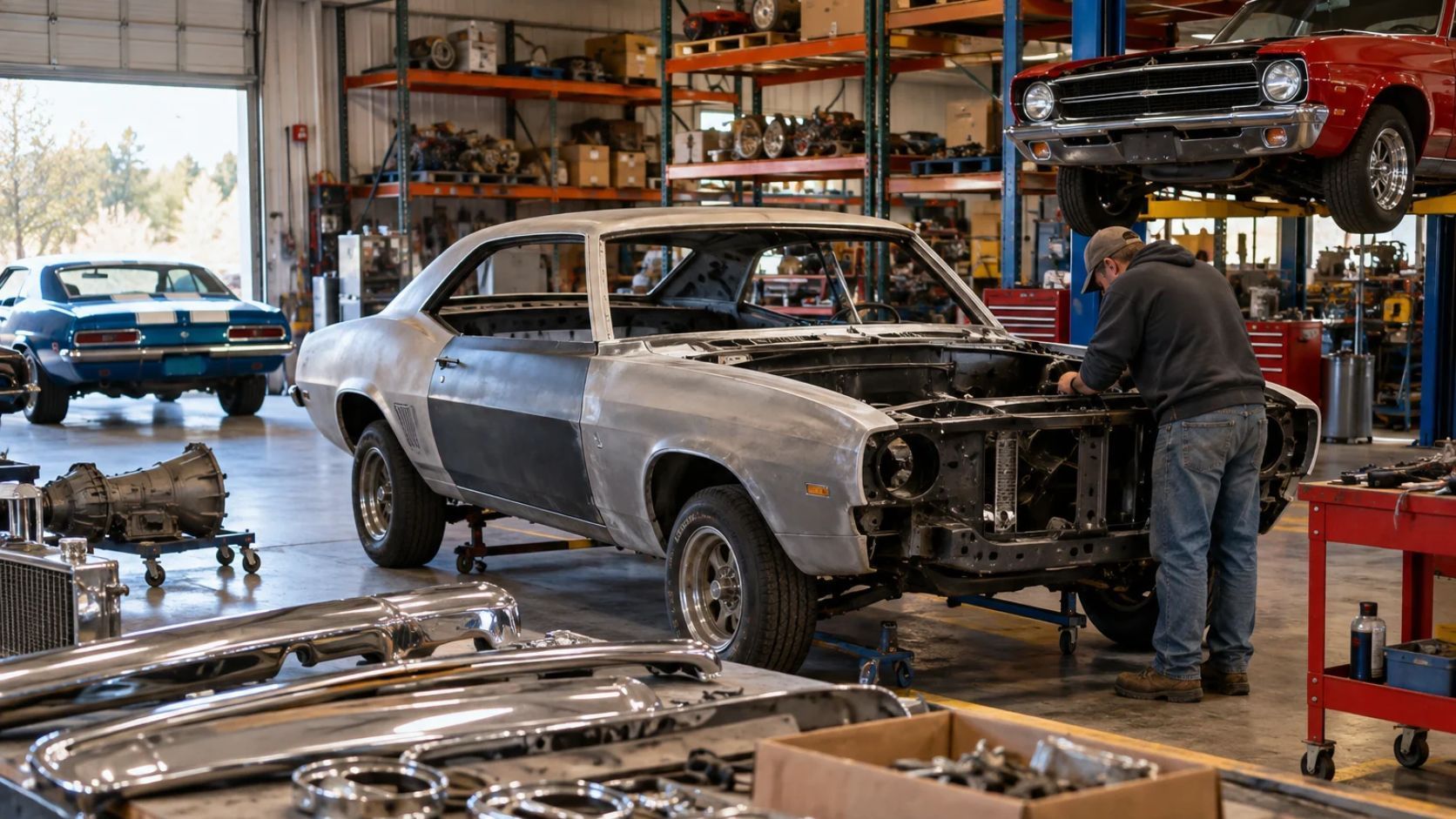
Protect collector car restorations with coverage for parts, labor, and value growth. Learn about agreed value, VUC endorsements, appraisals, and documentation.
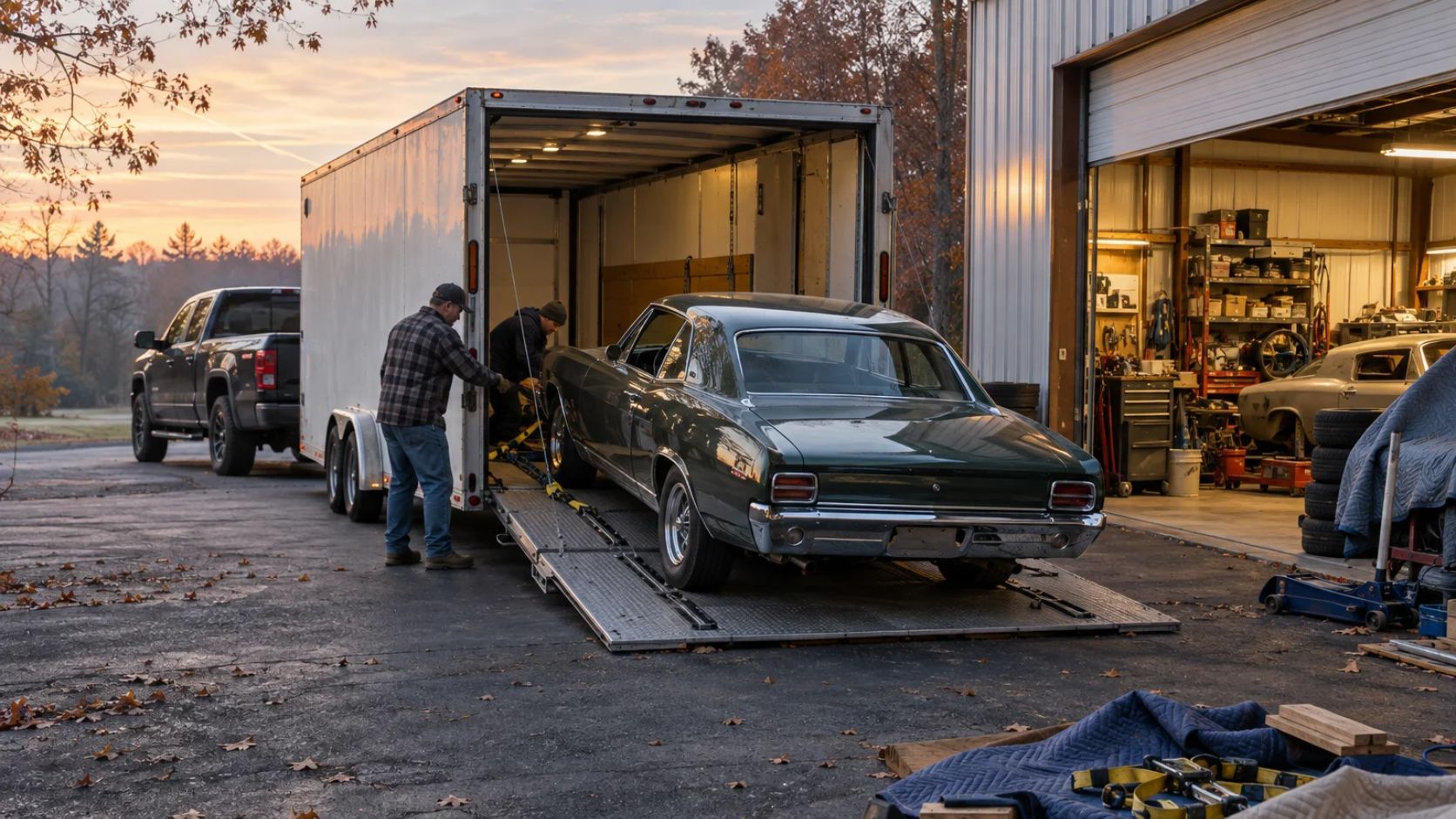
Enclosed haulers protect collector cars from damage, theft, and weather. Learn about cargo coverage, claims, documentation, and transport insurance.

Multi-vehicle collector policies can lower premiums with mileage limits, secure storage, agreed value coverage, and multi-car discounts.
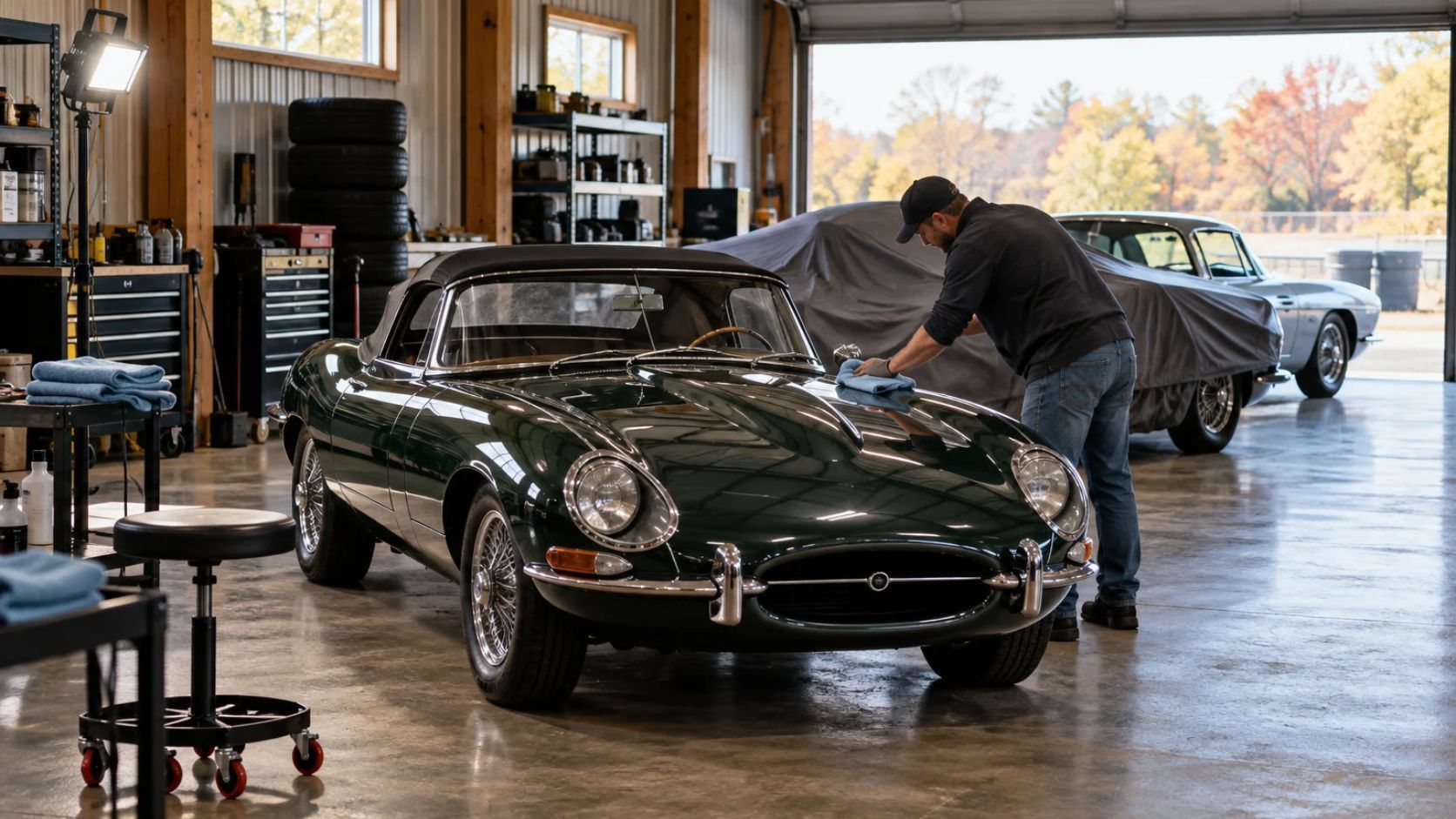
Insure a collector car during consignment with coordinated coverage, agreed value protection, transit insurance, and dealer liability safeguards.

Agreed value coverage protects collector cars from depreciation. Learn how appraisals, market values, and total loss claims affect your coverage.

Luxury home insurance from construction to occupancy: builder's risk, permanent coverage, soft costs, replacement value, and key endorsements.

Family office insurance coordination for homes, autos, collections, umbrella liability, valuations, and coverage gaps across complex asset portfolios.

Insure multiple high-value homes under one private client program with coordinated coverage, liability, valuables protection, and multi-property savings.

High-value home replacement cost explained: luxury materials, custom craftsmanship, code upgrades, guaranteed replacement, and rebuilding to original quality.
Contact Us
Portsmouth (HQ)
7 Islington St #102, Portsmouth, NH 03801
Phone Number: 603.766.3733
Wolfeboro
21 S Main Street, Wolfeboro, NH 03894
Phone Number: 603.569.2515