
New Hampshire
Contractor Insurance
Call Us: 603-766-3733
Running a contracting business in New Hampshire means dealing with unpredictable weather, tight project timelines, and the ever-present risk that one bad day on a job site could wipe out years of hard work. A single slip-and-fall claim, a damaged piece of equipment, or a vehicle accident involving your crew can generate costs that dwarf any profit you've earned. The right insurance portfolio isn't just a box to check for licensing: it's the financial backbone of your operation. This guide covers the essential coverage types NH contractors need, from general liability and workers' comp to commercial auto and specialized trade policies. Whether you're a solo electrician or running a 50-person general contracting firm, understanding these policies and how they interact is the difference between sleeping well at night and hoping nothing goes wrong. A recommended contractor insurance bundle covering a business owner's policy, workers' comp, and professional liability
costs approximately $607 per month or $7,280 annually, though your actual number depends heavily on your trade, payroll, and claims history. The goal here is to help you understand exactly what you're buying and why each piece matters, so you can build a coverage portfolio that actually fits your business rather than a generic package that leaves gaps.
Essential Insurance Requirements for New Hampshire Contractors
New Hampshire doesn't have a single "contractor license" the way some states do, but that doesn't mean insurance requirements are relaxed. Municipal building permits, project contracts, and state regulations each impose their own coverage demands. Missing even one requirement can cost you a contract, trigger fines, or leave you personally liable for six-figure claims. Here's a breakdown of the three foundational policies every NH contractor should carry.
General Liability: Protecting Against Third-Party Claims
General liability, often called GL or CGL (commercial general liability), covers bodily injury and property damage claims from third parties. If a homeowner trips over your materials and breaks a wrist, or your crew accidentally damages a neighbor's fence during excavation, GL responds. Most NH contractors need at least $1 million per occurrence and $2 million aggregate to satisfy contract requirements. GL insurance in New Hampshire typically costs between $28 and $370 per month, with the wide range reflecting differences in trade risk, revenue, and claims history. A painting contractor with $200,000 in annual revenue will pay far less than a demolition company doing $2 million in work. One common mistake: assuming GL covers your own employees' injuries. It doesn't. That's what workers' comp is for.
NH Statutory Workers' Compensation Mandates
New Hampshire requires workers' compensation insurance for any employer with one or more employees, including part-time and seasonal workers. There's no exemption based on company size. Sole proprietors and LLC members can opt out of coverage for themselves, but the moment you hire someone, even a temporary laborer for a weekend, you need a policy in force. Estimated employer costs for workers' comp in the state sit at roughly $0.76 per $100 of covered wages, making it one of the more affordable states for this coverage. That said, high-risk trades like roofing or structural steel can see rates several times higher. The penalties for non-compliance are steep: fines, stop-work orders, and personal liability for any workplace injuries.
Commercial Auto Insurance for Business Vehicles
If you're using vehicles for business purposes, whether it's a fleet of dump trucks or a single pickup hauling tools, you need commercial auto insurance. Personal auto policies exclude business use, and a denied claim after a serious accident could bankrupt your company. New Hampshire requires commercial auto policies to carry
minimum liability limits of 25/50/25: that's $25,000 per person, $50,000 per accident for bodily injury, and $25,000 for property damage. Most contractors should carry higher limits, especially if they're towing equipment or driving larger vehicles. Commercial auto insurance in the state
averages about $238 per month, though your fleet size, driver records, and vehicle types all influence the final number.

By: Tod O’Dowd, CIC, CAPI
President of Avery Insurance Agency
Specialized Policies for Construction and Trade Risks
Standard GL and workers' comp leave significant gaps for contractors. The tools in your truck, the half-finished building you're working on, and the designs you've stamped all represent exposures that require dedicated coverage.
Inland Marine and Tools & Equipment Coverage
Despite the nautical name, inland marine insurance covers movable property: your tools, equipment, and materials in transit or stored at job sites. A standard business property policy only covers items at your listed business location, which means that $15,000 laser level sitting in your truck or the generator at a remote site isn't protected. Inland marine fills that gap. Policies can be written on a scheduled basis, where you list specific high-value items, or on a blanket basis covering everything up to a set limit. For contractors with expensive specialty equipment, this is often the most undervalued coverage in their portfolio.
Builders Risk Insurance for Projects in Progress
Builders risk covers structures under construction against fire, wind, theft, and vandalism. If you're framing a custom home in Wolfeboro and a nor'easter rips the roof sheathing off before the project is complete, builders risk pays to rebuild. The policy typically covers materials, fixtures, and equipment installed in the structure. One nuance that catches contractors off guard: builders risk is usually written for a specific project term. If your project runs over schedule, you need to extend the policy or risk a coverage lapse during the final, most valuable phase of construction.
Professional Liability and E&O for Design-Build Firms
If your firm provides any design, engineering, or consulting services alongside construction, you face errors and omissions exposure that GL won't cover. A flawed structural design, an incorrect load calculation, or a specification error can lead to claims long after the project wraps up. Design-build firms and contractors offering project management services should carry professional liability. These policies respond to claims alleging negligent professional services, covering defense costs and settlements. This is an area where working with an agency experienced in construction risk, like Avery Insurance Agency, pays off: they can identify whether your scope of work triggers E&O exposure that you might otherwise overlook.
Industry-Specific Coverage Considerations in the Granite State
Not all trades face the same risks. A plumber's exposure profile looks nothing like a roofer's, and your insurance should reflect that reality.
Plumbing, Electrical, and HVAC Special Provisions
Plumbing contractors face water damage liability that can dwarf the original scope of work: a failed connection that floods a finished basement can generate $100,000 in claims from a $500 repair. Electrical contractors carry fire risk and code compliance exposure. HVAC contractors often work with refrigerants subject to EPA regulations, adding environmental liability to the mix. Each of these trades may need pollution liability endorsements or installation floater coverage depending on project scope. Carriers underwrite these trades differently, and the class codes assigned to your business directly impact your premiums.
Roofing and High-Risk Trade Endorsements
Roofing consistently ranks among the most expensive trades to insure, and for good reason: the combination of heights, hot materials, and weather exposure creates a claims profile that makes underwriters nervous. Many standard GL carriers won't write roofing at all, pushing contractors toward specialty markets. Expect to pay significantly higher premiums, and expect clients to demand higher coverage limits. Umbrella policies, which provide excess liability above your GL and auto limits, are practically mandatory for roofers. If you're in a high-risk trade, an agency with deep construction market access, like Avery Insurance Agency with its 125-plus years of local experience, can place coverage with carriers that actually understand your work rather than pricing blindly based on fear.
Managing Compliance and Certificates of Insurance (COI)
Carrying insurance is only half the battle. Proving you have it, and ensuring everyone on your job site does too, is where compliance gets complicated.
Subcontractor Insurance Verification Requirements
General contractors bear downstream liability for uninsured subcontractors. If your drywall sub doesn't carry workers' comp and one of their employees gets hurt on your site, that claim lands on your policy. NH Insurance Commissioner DJ Bettencourt has warned homeowners that they "should never assume a contractor's insurance is in place simply because someone says they are covered." The same logic applies to GCs managing subs. Require certificates of insurance before any subcontractor sets foot on site, and verify them directly with the issuing carrier or agency.
Additional Insured Status and Waivers of Subrogation
Most project owners and GCs require subcontractors to add them as additional insureds on GL policies. This gives the project owner direct coverage under your policy for claims arising from your work. Waivers of subrogation prevent your insurer from pursuing the project owner to recover claim payments, which is standard in most construction contracts. These endorsements are typically inexpensive but must be requested before the policy period begins. Missing an additional insured request can delay project starts or get you removed from a bid entirely.
Factors Influencing NH Contractor Insurance Costs
Understanding what drives your premiums helps you control them. Insurance isn't a fixed cost: it's a variable you can influence.
Class Codes and Experience Modification Rates (MOD)
Every contractor is assigned NCCI class codes based on their trade. A carpentry contractor (class code 5403) pays a different base rate than an excavation contractor (class code 6217). Your experience modification rate, or MOD, adjusts that base rate up or down based on your claims history relative to other contractors in your class. A MOD of 1.0 is average. Below 1.0 means fewer claims than expected, and your premium drops. Above 1.0 means more claims, and you pay a surcharge. One serious workers' comp claim can inflate your MOD for three years.
Strategies for Reducing Annual Premiums
The most effective way to lower premiums is to reduce claims. Implement formal safety programs, conduct regular toolbox talks, and document everything. Beyond safety, consider these approaches:
- Bundle policies: A business owner's policy combining GL and property coverage often costs less than purchasing them separately.
- Increase deductibles: If your cash flow supports it, a higher deductible lowers your premium.
- Review class codes annually: If your work mix changes, make sure your codes reflect what you actually do, not what you did five years ago.
- Shop the market every 2-3 years: Carrier appetites shift, and a consultative agency can identify better options as your business evolves.
| Coverage Type | Typical Monthly Cost | Key Trigger |
|---|---|---|
| General Liability | $28 - $370 | Third-party injury or property damage |
| Workers' Compensation | Varies by payroll | Any employee on payroll |
| Commercial Auto | ~$238 | Business use of vehicles |
| Builders Risk | Project-specific | Active construction projects |
| Professional Liability | Varies by revenue | Design or consulting services |
Getting contractor insurance right in New Hampshire isn't about buying the cheapest policy: it's about building a coverage portfolio where every piece works together without gaps. The stakes are real. A single uncovered claim can end a business that took decades to build. Start by auditing your current policies against the coverage types outlined here. Check your subcontractor verification process. Review your MOD rate and class codes for accuracy. If you're unsure whether your current coverage actually matches your risk profile, that's exactly the kind of question Avery Insurance Agency's consultative approach is built to answer: uncovering vulnerabilities so you can focus on running your business. Reach out to a knowledgeable agent who understands NH construction risk, and get a portfolio review before your next renewal.
Frequently Asked Questions
Does New Hampshire require contractors to be licensed and insured? NH doesn't have a general contractor license, but many trades (electricians, plumbers) require state licensing. Insurance requirements come from contracts, municipal permits, and workers' comp statutes rather than a single licensing body.
Can I use my personal auto insurance for my work truck? No. Personal auto policies exclude business use. If you're hauling tools, towing equipment, or driving to job sites as part of your trade, you need a commercial auto policy.
How often should I update my certificates of insurance? COIs should be updated at every policy renewal and whenever you add or change coverage. Many GCs and project owners require updated certificates annually or at the start of each new project.
What happens if my subcontractor doesn't have insurance? Their claims become your problem. Workers' comp claims from uninsured subs get charged to your policy, and liability claims can flow uphill to the GC. Always verify before work begins.
Is an umbrella policy worth it for a small contractor? Yes, especially if you work on residential projects or in high-risk trades. A $1 million umbrella policy is relatively inexpensive and provides critical protection above your GL and auto limits.
ABOUT THE AUTHOR:
Tod O’Dowd, CIC, CAPI
I'm the President of Avery Insurance Agency, a family-owned independent agency serving individuals and businesses across New England and in 40+ states. With a hands-on, consultative approach to personal and commercial risk, I help clients — from high-net-worth homeowners and contractors to restaurant owners and property managers — find the right coverage without the guesswork of working with a single-carrier agent.
What Our Clients Say
Trusted by Families and Businesses for Over a Century
Trusted by New Hampshire Families and Businesses for Over a Century

Your Life. Protected.
Complete Personal Insurance for Individuals Who Expect More
One Agency. Every Coverage You Need. No Gaps, No Surprises.
Home Insurance
Your home is your most valuable asset. Avery’s home insurance protects your property, belongings, and liability so you can feel secure no matter what happens.
High-Value Home Insurance
Own a home valued over $2 million? Our Premier Client Services program provides coverage built around high-value properties and the unique risks they carry.
Auto Insurance
Whether you drive a daily commuter, a classic car, or a motorcycle, Avery finds the right auto coverage for your vehicle and your budget.
Boat & Watercraft Insurance
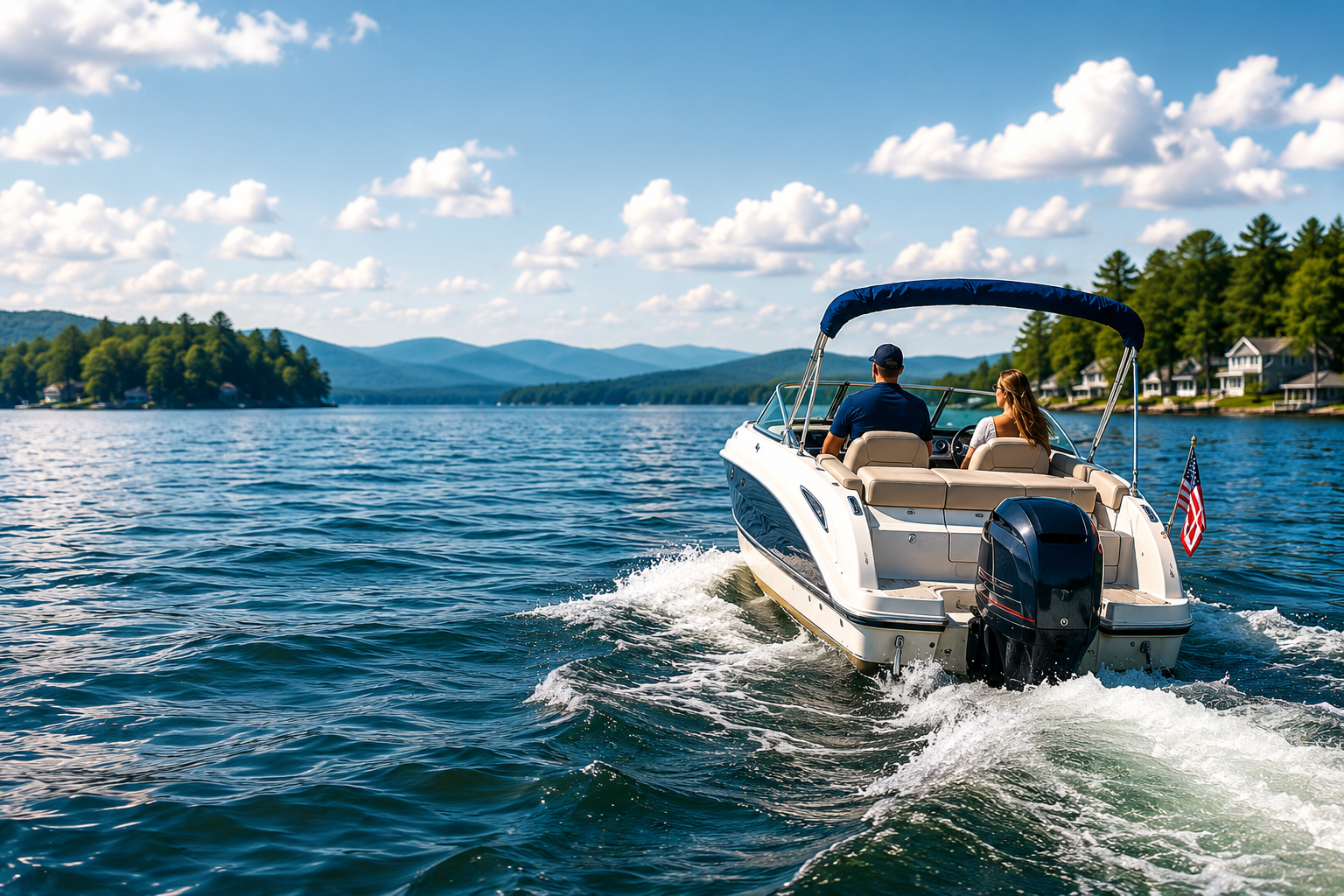
From small boats on New Hampshire’s lakes to luxury yachts, Avery provides watercraft insurance covering your vessel, passengers, and liability on the water.
Umbrella / Personal Liability Insurance
An umbrella policy adds an extra layer of liability protection above your home and auto coverage. One of the most cost-effective ways to protect your financial future.
Valuable Possessions Insurance
Jewelry, art, collectibles, and other high-value items need coverage beyond a standard homeowners policy. Avery insures your most prized possessions at full appraised value.
Protect Your Business & Livelihood
Commercial Insurance Solutions Designed for New England Businesses.
Comprehensive Commercial Coverage That Keeps Your Business Running
General Liability Insurance
Protect your business from third-party claims of bodily injury, property damage, and personal injury. General liability is the foundation of any solid business insurance program.
Commercial Property Insurance
Covers your building, equipment, inventory, and other physical assets against fire, theft, vandalism, and other covered losses. Keep your business protected from the unexpected.
Workers’ Compensation Insurance
Workers’ comp covers medical costs and lost wages when an employee is injured on the job. Avery helps businesses meet state compliance requirements and manage costs effectively.
Cyber Liability Insurance
Data breaches and cyberattacks are a growing risk for businesses of all sizes. Cyber liability covers response costs, legal fees, and customer notification expenses after a security incident.
Employment Practices Liability Insurance
Covers your business against employee claims of wrongful termination, discrimination, harassment, and related issues. Essential for any business with employees.
Commercial Auto Insurance
Whether a single truck or a full fleet, commercial auto insurance protects your business against accidents, damage, and liability on the road.
We Know Your Industry
Tailored Insurance Programs for the Industries That Drive New Hampshire
We Understand the Risks Your Industry Faces — and How to Manage Them
Contractors Insurance
From general contractors to specialty trades, Avery understands the unique liability and property exposures your business faces on every job site in New England. We build coverage programs that keep your crew and company protected.
Restaurants & Hospitality
Restaurants, hotels, and marinas face distinct risks — from slip-and-fall liability to liquor liability and food spoilage. Avery designs coverage programs for the specific needs of the hospitality industry.
Real Estate & Property
Whether you own a portfolio of investment properties or manage a condo association, Avery provides the right mix of property, liability, and management coverage to protect your real estate investments.
We Make It Simple
Getting Covered with Avery Is Easy

Step 01
Connect with an Avery Advisor
Call, email, or request a coverage online and we will respond the same business day.

Step 02
We Build Your Coverage Plan
We shop top-rated carriers, compare your options, and recommend the best fit for your needs.

Step 03
You Get Protected and Stay Protected
We place your coverage, review it annually, and advocate for you if you ever need to file a claim.
Let’s Clear Things Up
Got Questions? We’ve Got Answers.
Straight Answers From the Advisors Who Know This State Best
What does it mean that Avery is an independent insurance agency?
An independent agency like Avery is not tied to any single insurance company. We represent multiple top-rated carriers, which means we can shop the market on your behalf and recommend the coverage that truly fits your needs — not the one that benefits any single insurer.
This independence gives you access to more options and unbiased advice. Our advisors are compensated to serve your interests, not to push a specific product. That is a significant advantage over captive agents who can only offer one carrier’s policies.
How much does it cost to work with an Avery advisor?
There is no direct cost to you for working with an Avery advisor. Independent agents are compensated through commissions paid by the insurance carriers when a policy is placed. You receive expert guidance, market comparisons, and ongoing service at no extra charge.
In fact, many clients find that working with Avery saves them money. Our advisors know how to identify the right coverage levels so you are not paying for protection you do not need, and you are not left exposed where you do.
Does Avery help with claims?
Yes — and this is one of the most important things that sets Avery apart. When you have a claim, our in-house claims advisors go to work for you. We guide you through the process, communicate with the insurance company, and advocate for a fair and timely outcome.
Several of our team members hold professional claims designations, including AIC and AINS. We do not just help you file paperwork — we actively represent your interests to make sure you receive the full benefit your policy provides.
Where in New Hampshire does Avery provide coverage?
Avery serves clients throughout the state of New Hampshire from our offices in Wolfeboro and Portsmouth. Whether you live in the Lakes Region, the Seacoast, the White Mountains, or the Merrimack Valley, an Avery advisor is ready to help you find the right coverage.
Our advisors understand the specific risks that come with living and doing business in New Hampshire — from harsh winter weather to seasonal watercraft exposure. We apply that local knowledge to every coverage recommendation we make.
How does Avery handle high-value homes and assets?
Avery offers a dedicated Premier Client Services program for clients with homes valued over .5 million, significant investment portfolios, fine art collections, jewelry, yachts, and other complex assets. This program pairs you with a specialist who understands the unique risks of high-net-worth households.
Through carriers that specialize in high-value personal lines, we provide guaranteed replacement cost coverage, agreed value policies, and comprehensive risk management strategies. Your advisor will conduct a detailed review of your full asset portfolio to make sure nothing is overlooked or underinsured.
How often should I review my insurance coverage?
Avery recommends a full coverage review at least once a year. Major life events — buying a home, starting a business, adding a vehicle, getting married, or making significant home improvements — are all good triggers for an immediate review outside your annual cycle.
Insurance needs change over time, and policies that were right for you a few years ago may leave gaps today. Avery advisors proactively reach out to clients for annual reviews and keep up with changes in the insurance market that could affect your coverage or premium. Our goal is to make sure you are always protected and never paying for coverage that no longer fits.
Insurance Tips & News
Stay Informed with the Avery Blog
Practical Insurance Advice for New Hampshire Families and Business Owners






Contact Us
Portsmouth (HQ)
7 Islington St #102, Portsmouth, NH 03801
Phone Number: 603.766.3733
Wolfeboro
21 S Main Street, Wolfeboro, NH 03894
Phone Number: 603.569.2515