
Call Us: 603-766-3733
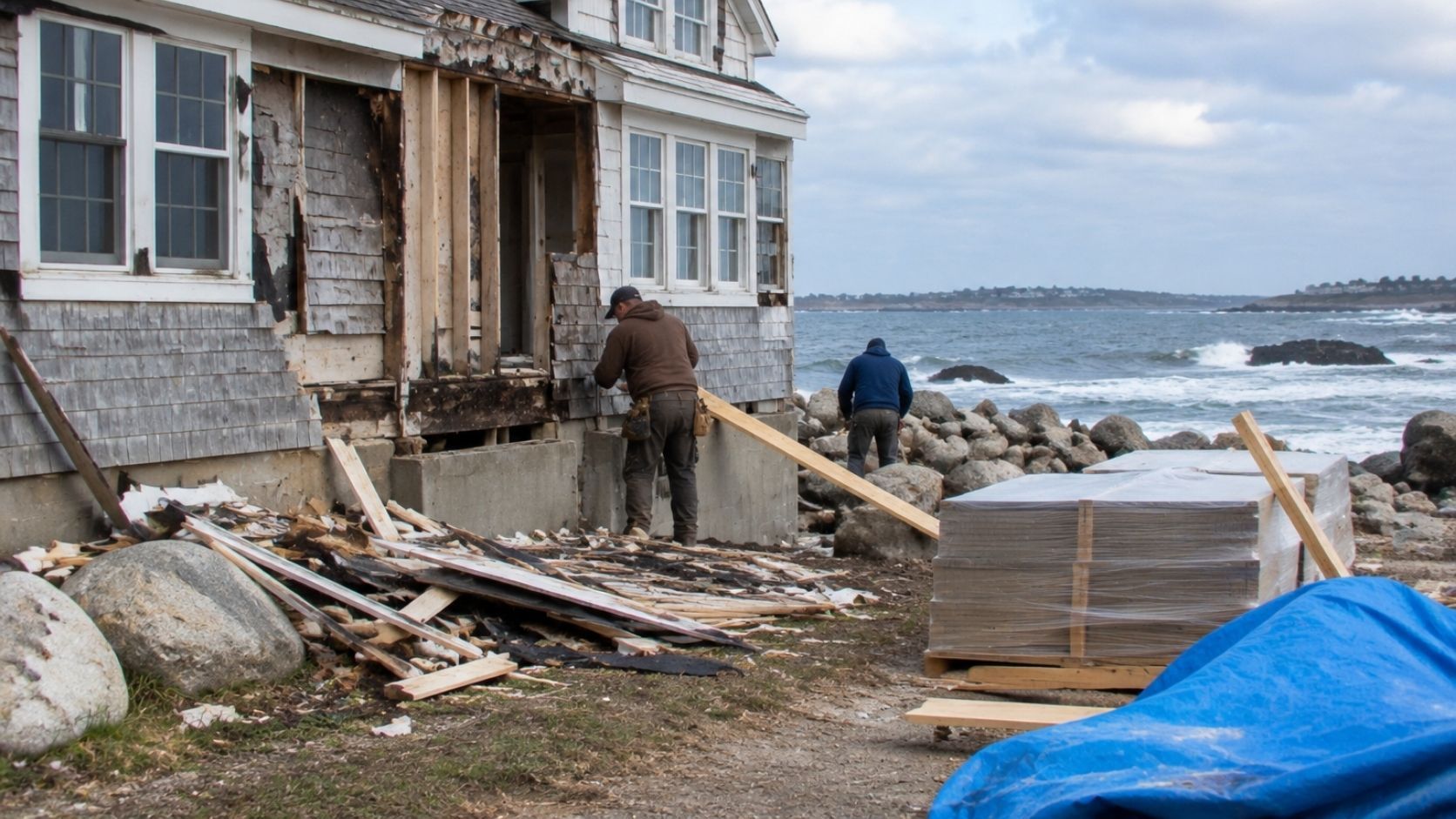
Picture a February nor'easter stalled off Rye, pushing 50-mile-per-hour gusts against a shingle-style home on Ocean Boulevard for 14 straight hours. By morning, there's a brown stain spreading across the primary bedroom ceiling and water pooled along the window sills. The homeowner calls the carrier expecting a straightforward claim, and three weeks later receives a denial letter citing "no evidence of a storm-created opening."
That scenario plays out every winter from Seabrook to New Castle. Wind-driven rain claims on New Hampshire Seacoast homes are some of the most misunderstood losses in property insurance. The difference between a paid claim and a denied one often comes down to policy wording, a single missing shingle, and how quickly the damage gets documented.
If you own a high-value coastal property, the stakes are higher still. Custom millwork, plaster ceilings, and imported finishes don't come cheap to replace, and a denied interior water claim can easily run into six figures. What follows is a practical look at how these claims actually work, where they go wrong, and what you can do before the next storm rolls in off the Gulf of Maine.
The Reality of Wind-Driven Rain on the New Hampshire Seacoast
Wind-driven rain is exactly what it sounds like: rain pushed sideways or even upward by sustained wind, forcing water into places it would never reach in a calm downpour. On the Seacoast, nor'easters, tropical remnants, and summer squalls all produce it. The exposed homes along Little Boar's Head, the bluffs near Odiorne Point, and the waterfront properties along the Piscataqua River take the brunt.
The 2026 season made this painfully clear. Severe June storms led FEMA to issue a Major Disaster Declaration for New Hampshire (DR-4947-NH) on October 7, 2026. Many homeowners who filed claims after those storms discovered their policies treated rain, flood, and wind as three entirely different things.
Seacoast housing stock adds another layer of risk. Portsmouth's South End and the Strawbery Banke neighborhood are full of 18th and 19th-century homes with original clapboard, single-pane windows, and roof framing that was never designed to shed horizontal rain. Even newer luxury builds in Hampton or Rye often feature complex rooflines, dormers, and large expanses of glass that create more entry points for water.
The practical takeaway: on the coast, water intrusion during a storm isn't a rare event. It's an expected one, and your policy needs to be built with that in mind.
The 'Wind vs. Water' Dilemma in Coastal Home Insurance
Every coastal claim adjuster asks the same question first: did wind cause this damage, or did water? The answer determines which part of your coverage applies, or whether any coverage applies at all.
Standard homeowners policies cover wind damage as a named peril. Water is far more complicated. The New Hampshire Insurance Department warns that standard homeowners insurance generally does not cover most flood-related losses, including damage from wind-driven water covering normally dry land. That's storm surge, and it belongs to a flood policy.
Rain entering your home sits in a gray zone between those two. Most policies cover rain damage to the interior only if wind (or hail) first creates an opening in the roof or walls. So a single storm can produce three types of loss with three different answers:
- Shingles torn off by gusts: typically covered under wind, subject to your wind or hurricane deductible
- Rain soaking the attic through that torn area: usually covered, because wind created the opening
- Surge water flooding the basement: excluded under homeowners, covered only by a flood policy
When a carrier gets to decide which bucket each dollar falls into, disputes are almost guaranteed. This is why clients who own homes on the water should have their agent walk through a hypothetical storm loss before buying, not after filing.
The Crucial Role of a Physical Opening in Your Roof
Most homeowners policy forms include language stating that interior damage from rain, snow, sleet, or sand is not covered unless the direct force of wind or hail first damages the building, creating an opening through which the precipitation enters. That single clause decides more Seacoast storm claims than any other provision.
When Wind Damages the Structure First
If an adjuster can point to physical storm damage, the claim usually moves forward. Common examples include lifted or missing shingles, a dislodged ridge vent, flashing peeled back from a chimney, a broken window, or siding ripped loose from the gable end. Once that opening exists, the rain that came through it, and the resulting damage to drywall, insulation, flooring, and contents, generally becomes part of the covered loss.
The opening doesn't need to be dramatic. A handful of creased shingles on the windward slope can be enough, provided someone documents them before they're repaired. On complex rooflines, wind damage often hides in valleys, around skylights, or at the transition between a main roof and an addition, places a quick ground-level inspection will miss.
Seepage and Wear-and-Tear Denials
Here's where coastal owners get hurt. If rain entered through an existing gap, such as aging mortar around a chimney, a cracked boot around a vent pipe, or window seals that have shrunk over 20 years, the carrier will likely argue there was no storm-created opening. The damage gets classified as seepage, deterioration, or lack of maintenance, all of which are commonly excluded.
Historic homes are especially vulnerable to this argument. A 1790s Federal in Portsmouth may have perfectly sound framing but window sashes that let in water every time the wind blows hard from the east. Adjusters will look for rot, staining, and mineral deposits that suggest the leak predates the storm. If they find it, expect a denial even if this particular storm was the worst in a decade.
Common Policy Exclusions for Coastal Homeowners
Knowing what your policy will exclude matters as much as knowing what it covers. Coastal homes run into the same handful of exclusions over and over.
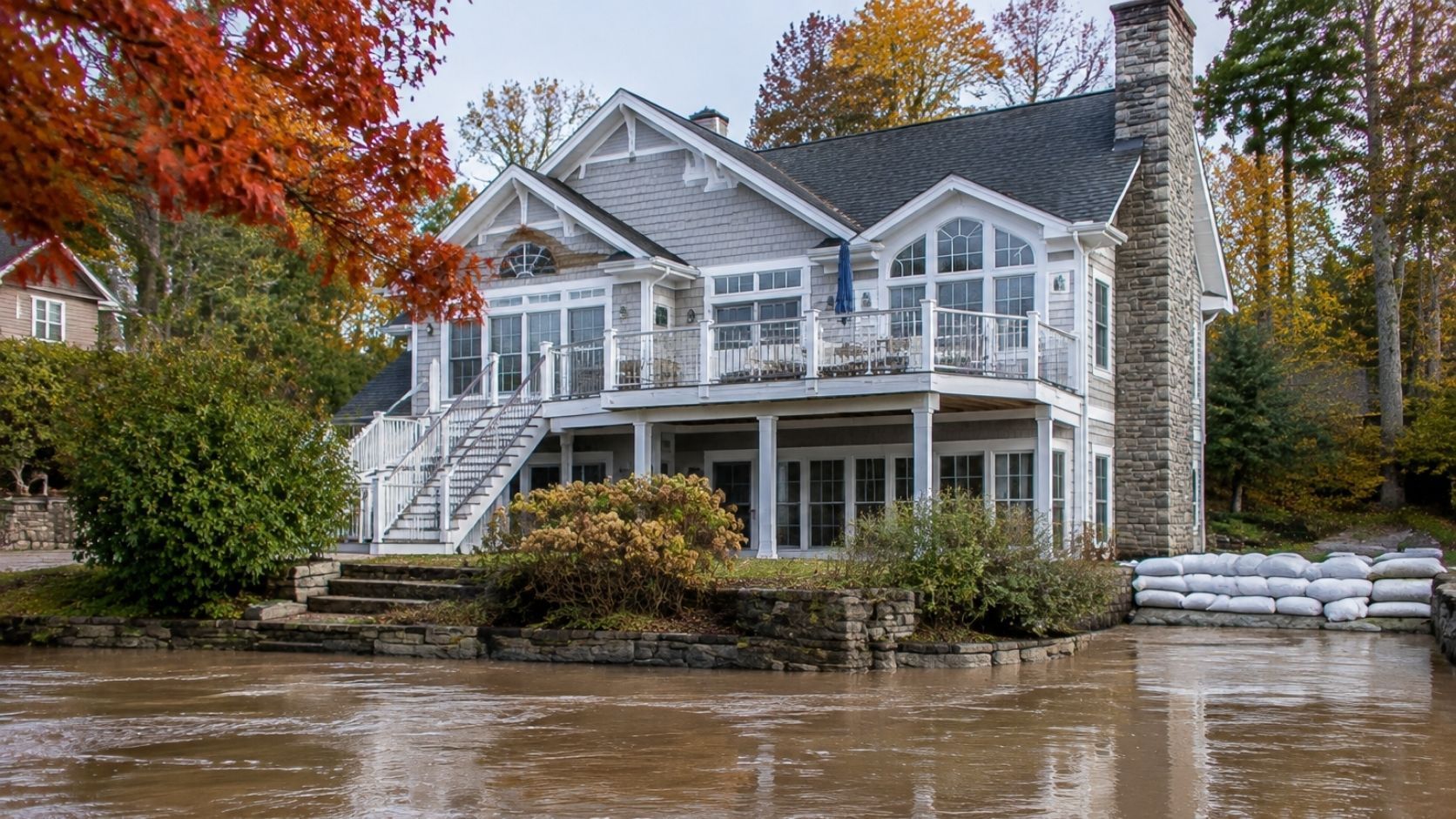
Flood and surge come first. Any water that rises from the ocean, Great Bay, or a tidal creek and covers normally dry ground falls under the flood exclusion, regardless of whether wind pushed it there. For high-value homes, the National Flood Insurance Program's limits often fall well short, so private excess flood coverage becomes part of the conversation.
Gradual leakage and maintenance issues are the second big category. Long-term seepage, rot, mold resulting from repeated leaks, and deteriorated roofing are typically excluded. Mold coverage, where it exists at all, is often capped at a low sublimit.
Several other exclusions and limitations catch Seacoast owners off guard:
- Wind or hurricane deductibles: percentage-based rather than flat. On a $600,000 dwelling limit, a 2% wind deductible means paying $12,000 before coverage starts. For high-value properties in the Seacoast, a 2% deductible creates a $50,000 out-of-pocket requirement.
- Ordinance or Law: if a damaged roof must be rebuilt to current code or to historic district standards, the extra cost may not be covered without this endorsement.
- Ice dams: water backing up under shingles from ice buildup may be covered for the resulting damage, but removal of the ice itself often isn't.
- Cosmetic damage exclusions: some policies exclude dented or scuffed roofing that doesn't affect function, which matters for copper, slate, and metal roofs.
Ordinance or Law deserves extra attention in Portsmouth's historic district. Replacing a damaged slate roof with matching slate, as required by local review, can cost far more than an asphalt replacement, and without adequate endorsement limits, that gap lands on you.
Comparing Standard Policies vs. Wind-Driven Rain Endorsements
Not every policy treats rain intrusion the same way. Mass-market homeowners forms tend to stick strictly to the "opening first" rule, while high-value specialty carriers such as Chubb and PURE often write broader open-perils coverage that handles these losses differently. Some regional New England carriers fall in between.
Here's how the differences typically show up in practice:
| Feature | Standard Homeowners Form | High-Value / Enhanced Coverage |
|---|---|---|
| Rain without storm opening | Usually excluded | Sometimes covered under open-perils wording |
| Wind deductible | Percentage-based, often 1-5% | Flat or lower options may be available |
| Rebuild cost basis | Replacement cost, often capped | Extended or guaranteed replacement cost |
| Ordinance or Law | Low default limit | Higher limits, often a percentage of dwelling |
| Matching undamaged materials | Limited or disputed | Often included for consistent appearance |
| Mold remediation | Low sublimit or excluded | Higher sublimits common |
| Cash settlement option | Restrictive | More flexibility if you choose not to rebuild |
The "matching" row matters more than most people realize. If wind damages one slope of a cedar shake roof and the carrier only pays to replace that slope, you're left with a mismatched roof on a home that's supposed to look the part. Enhanced forms often address this directly.
None of these features apply universally, and wording varies carrier to carrier. That's precisely why comparing actual policy language beats comparing premiums. A policy that costs a bit more but pays a $90,000 interior water claim is the cheaper policy in every way that counts.
Navigating Coverage Disputes After a Seacoast Storm
Even with good coverage, disputes happen. Carriers handle a surge of claims after major storms, adjusters are stretched thin, and gray-area losses get scrutinized hard. The homeowners who come out ahead tend to share two habits: they document aggressively, and they don't accept the first answer as final.
Documenting Exterior Damage to Support Interior Claims
Your interior claim is only as strong as your evidence of exterior damage. Before anyone patches the roof, take these steps:
- Photograph every elevation of the home, including close-ups of missing or lifted shingles, damaged flashing, and broken trim.
- Use a drone or hire a roofer to capture the roof surface, especially valleys and the windward side.
- Photograph interior stains, pooled water, and wet insulation with timestamps.
- Record local weather data, such as wind speeds and direction from the nearest station, for the storm date.
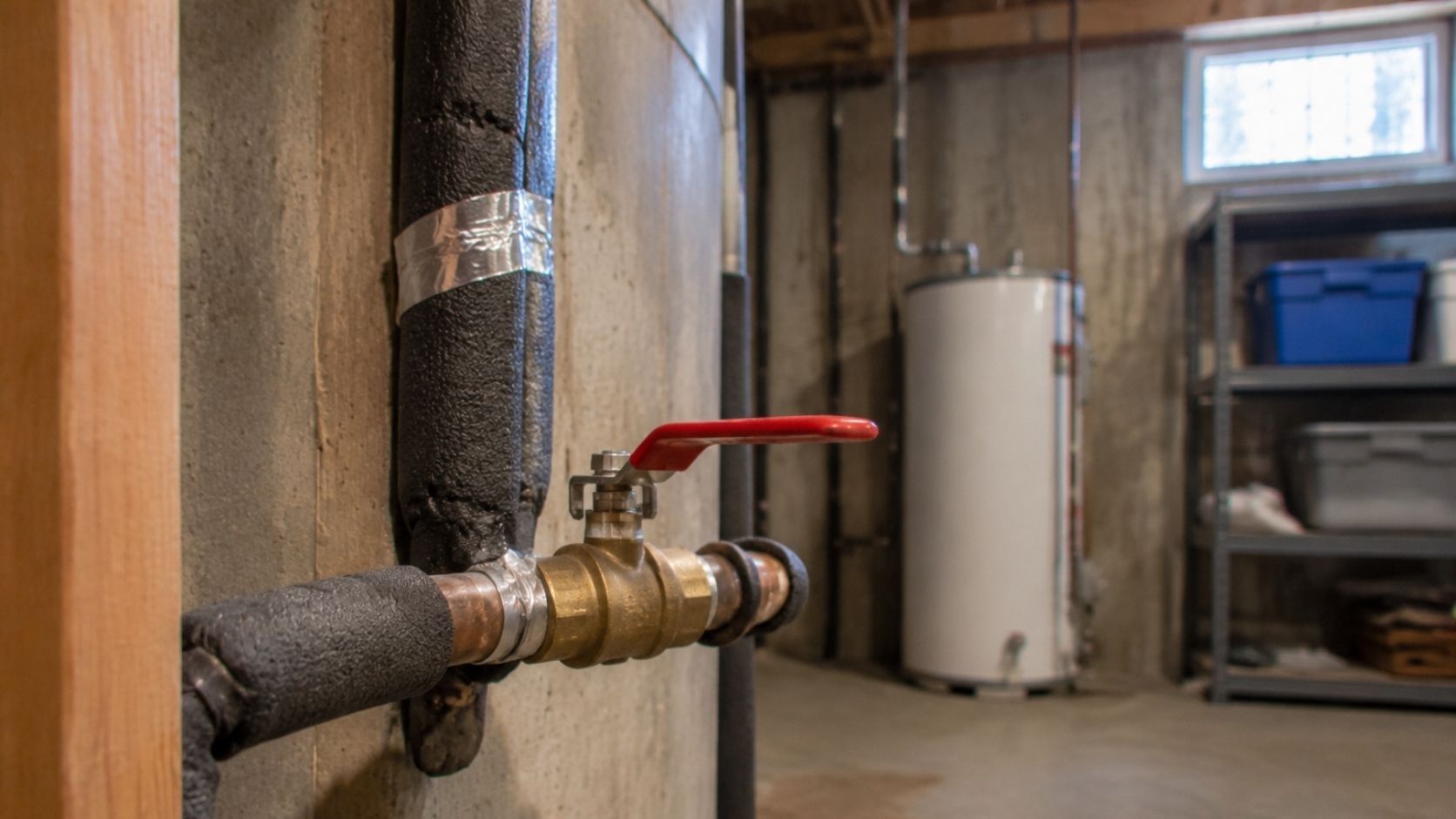
- Make temporary repairs (tarping, water extraction) to prevent further damage, and keep every receipt.
Pre-storm photos are just as valuable. A quick annual walkaround video of your roof and exterior gives you a baseline that defeats "pre-existing condition" arguments.
The Role of Public Adjusters and Independent Inspections
If a carrier denies or underpays a claim, an independent roofing inspection or engineering report can counter the adjuster's findings. A licensed public adjuster works for you, not the insurer, and typically takes a percentage of the settlement. For large, complex losses, that fee can be worth it.
Be careful with contractors who promise to "get your roof paid for." Under RSA 358-A:10, New Hampshire homeowners can recover double or treble damages plus attorney's fees if a contractor willfully misrepresents wind damage to induce an insurance claim. Signing on with a storm chaser can create legal and coverage problems you don't want.
An independent agent also plays a role here. At Avery Insurance Agency, advocating for clients during claims has been part of the job since 1899, and having someone in your corner who knows the policy language often moves a stalled claim forward faster than any phone call to a claims center.
Mitigating Risk: Hardening Your Home Against Horizontal Rain
The best claim is the one you never file. Coastal hardening reduces the odds of water intrusion and makes any claim you do file far easier to win, because there's less room for a wear-and-tear argument.
Start with the roof. High-wind-rated shingles with enhanced nailing patterns, a full ice-and-water shield membrane rather than just at the eaves, and properly sealed flashing at chimneys and walls all reduce entry points. Ridge vents and soffit vents should be rated for wind-driven rain, since standard vents can funnel water straight into the attic during a nor'easter.
Windows and doors are the next weak link. On older homes, consider these upgrades:
- Storm windows or impact-rated glazing on the most exposed elevations
- Fresh caulking and sealing around frames every few years, especially on east- and northeast-facing walls
- Sill pans and drip edges to direct water away from window openings
- Weatherstripping on exterior doors, particularly French doors facing the water
Historic district owners face a balancing act. You may need approval before changing windows or roofing materials, so plan upgrades well ahead and keep records of every maintenance project. Those receipts become evidence that your home was well maintained if a carrier later questions a claim. Some carriers also offer premium credits for documented mitigation, so ask your agent which improvements qualify.
As the NHID puts it, "Preparing before a storm is the best way to avoid costly surprises after one."er.
Common Questions About NH Coastal Storm Damage
Does my homeowners policy cover water that comes through my windows during a nor'easter? Only if wind or hail broke or damaged the window first, in most standard policies. If water simply seeped past old seals, expect the carrier to treat it as maintenance-related.
Is storm surge covered if wind pushed the water into my house? No. Surge is considered flood under New Hampshire homeowners policies, so you need separate flood insurance, and possibly excess flood coverage for a high-value home.
How much will my wind deductible actually cost me? Multiply your dwelling limit by the percentage. A 2% deductible on a $600,000 home is $12,000; for high-value properties in the Seacoast, a 2% deductible creates a $50,000 out-of-pocket requirement.
Can I find good coverage on the Seacoast, or are carriers pulling out? A July 2026 NHID report found the state's homeowners market maintains a "reasonable degree of competition". Options exist, but coastal homes still benefit from an agent who can compare specialty and regional carriers.
Should I fix my roof before the adjuster comes? Make temporary repairs like tarping to prevent more damage, but don't do permanent work until everything is documented and the adjuster has inspected.
Do I need Ordinance or Law coverage on a newer home? Yes, it still matters. Building codes change frequently, and even a 10-year-old home may need upgrades during a rebuild that a basic policy won't pay for..
Protecting Your Seacoast Investment Long-Term
Coastal storm claims rarely fail because the homeowner had no insurance. They fail because the policy said something different from what the owner assumed, or because nobody documented the roof damage before the shingles got replaced. The opening-first rule, percentage wind deductibles, flood exclusions, and thin Ordinance or Law limits are where most Seacoast owners discover their gaps.
The fix is straightforward but takes some effort: read your actual policy wording, harden the most exposed parts of your home, keep annual photos and maintenance records, and close the gaps with the right endorsements and flood coverage.
If you'd like a second set of eyes on your coverage before the next nor'easter, Avery Insurance Agency offers consultative policy reviews built around your home, your risks, and how you live. Reach out to schedule a conversation, and find out where you stand while the skies are still clear.
ABOUT THE AUTHOR:
Tod O’Dowd, CIC, CAPI
I'm the President of Avery Insurance Agency, a family-owned independent agency serving individuals and businesses across New England and in 40+ states. With a hands-on, consultative approach to personal and commercial risk, I help clients — from high-net-worth homeowners and contractors to restaurant owners and property managers — find the right coverage without the guesswork of working with a single-carrier agent.