
Call Us: 603-766-3733
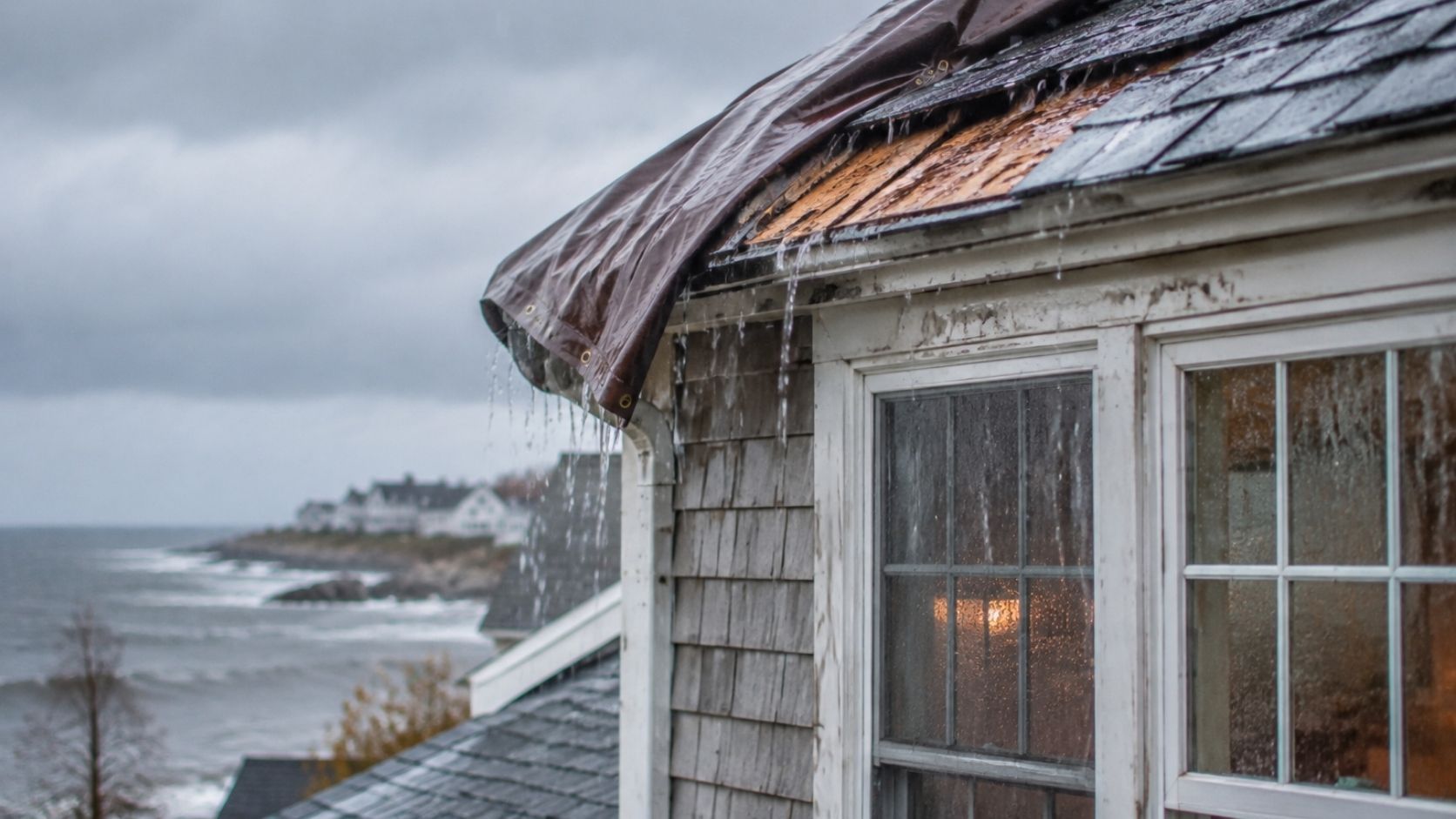
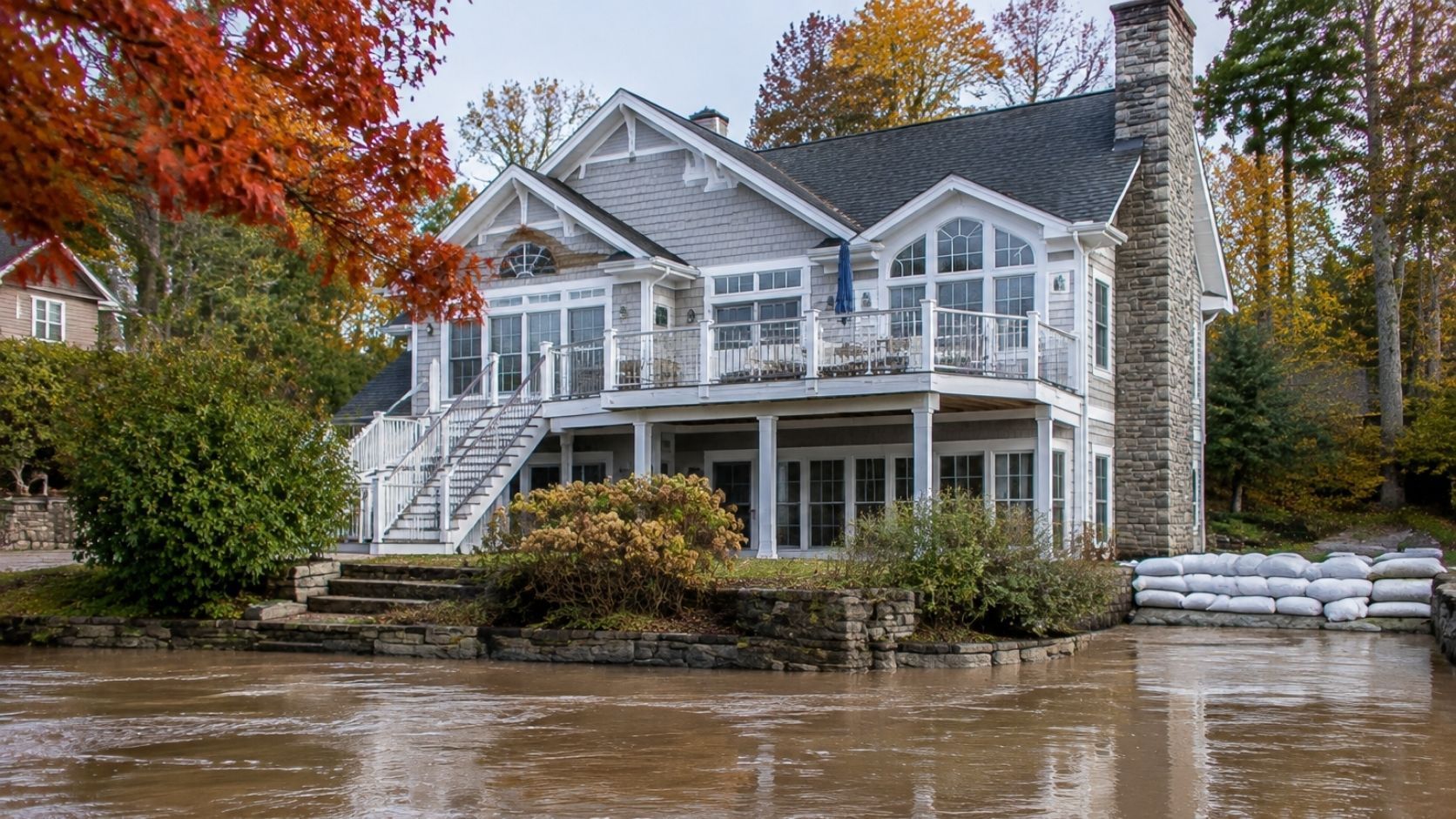
Picture a nor'easter stalling over Hampton Beach for three tide cycles. Your 1920s shingle-style home on Ocean Boulevard takes water through the first floor, and the adjuster's estimate looks reasonable at first. Then the town building inspector arrives, and the conversation changes from "what does it cost to fix?" to "what does it cost to rebuild under today's rules?"
That gap between repair and rebuild is where many Seacoast homeowners lose real money. This guide covers ordinance coverage for New Hampshire coastal homes after a major storm: how building codes, demolition requirements, and increased construction costs interact with your policy limits and deductibles. If you own a high-value property in Rye, New Castle, Portsmouth, or along the Hampton marshes, the details below matter more than the premium on your declarations page.
Protecting New Hampshire Coastal Homes from Post-Storm Regulatory Costs
A standard homeowners policy pays to restore what you had. It generally does not pay for what the law now requires you to build. That distinction sounds technical until you see it on a real claim.
Consider a waterfront colonial in Rye built in 1955. After a storm, the town may require new electrical service, updated egress windows, hurricane-rated fasteners, and possibly a fully elevated foundation. None of those upgrades existed in the original structure, so a policy without Ordinance or Law coverage treats them as your expense. On a custom home with high-end finishes, those code-driven costs can climb into six figures quickly.
Older housing stock makes this worse. Portsmouth's South End and Strawbery Banke area hold homes with knob-and-tube wiring, balloon framing, and historic district review requirements. Historic commissions can insist on period-appropriate materials while building codes demand modern performance, and you pay for both.
New Hampshire has also made coastal risk more visible. As of January 1, 2025, state law requires sellers to warn buyers that coastal properties face increased flooding risk and that standard insurance typically excludes flood damage. That disclosure applies at sale, but the lesson applies to every current owner: regulators and insurers are both paying closer attention to the coast.
Here's what that means for you. Protecting a Seacoast home is no longer just about dwelling limits. It's about anticipating what the building department will demand on the day after the storm.
TThe Three Pillars of Ordinance or Law Coverage
Ordinance or Law coverage is usually split into three parts. Carriers label them differently, and some bundle them under a single limit, so read your endorsement carefully.
Coverage A: Loss of the Undamaged Portion of the Home
This is the piece most people miss. If storm damage triggers a local requirement to tear down the entire structure, the undamaged portion still has value, and you lose it through no fault of the storm itself.
Say a storm surge destroys 55% of a home on Little Boar's Head. The town determines the structure must come down entirely and be rebuilt to current standards. Without this coverage, your policy pays for the 55% physically damaged, and the remaining 45% simply disappears from your claim. Coverage A fills that hole by paying for the value of the undamaged part you were forced to demolish.
Coverage B: Demolition and Debris Removal Costs
Knocking down the standing remainder of a house costs money. So does hauling it away, especially on a tight coastal lot with limited truck access or near protected wetlands.
Standard policies include some debris removal for damaged property, but they rarely cover demolishing undamaged sections because an ordinance requires it. Coverage B handles that. On older Seacoast homes, demolition can also uncover asbestos or lead paint, and abatement costs can surprise owners. Ask your agent how your carrier treats pollutant cleanup within this coverage, because some forms carve it out.
Coverage C: Increased Cost of Construction for Code Compliance
This is the biggest-dollar component for most coastal claims. Coverage C pays the difference between rebuilding what you had and rebuilding what current code requires.
Common items include:
- Foundation elevation to meet flood zone requirements
- Updated wind-load framing and fastening schedules
- Electrical and plumbing upgrades replacing outdated systems
- Energy code compliance for insulation and windows
- Accessibility or egress changes triggered by the scope of rebuild
For a home with knob-and-tube wiring or original cast-iron plumbing, Coverage C often represents the largest single line on the final settlement.
New Hampshire Coastal Building Codes and FEMA Requirements
New Hampshire adopts statewide building codes, while coastal towns layer on floodplain ordinances tied to their participation in the National Flood Insurance Program. Communities like Hampton, Seabrook, Rye, and New Castle enforce these rules because NFIP participation depends on it. That makes FEMA's standards the practical backbone of post-storm rebuilding.
The NFIP itself carries uncertainty right now. It is currently operating under a short-term extension set to expire on December 11, 2026. FEMA notes that a lapse would halt new policies and renewals, potentially impacting an estimated 1,300 property sales daily nationwide. High-value owners should consider private flood options as a backstop or as primary coverage above NFIP limits.
The 50% Rule for Substantial Improvement and Damage
The single most important regulatory trigger on the Seacoast is substantial damage. If repair costs equal or exceed 50% of the structure's market value, the local official can require the entire building to meet current floodplain standards.
That determination also unlocks NFIP's Increased Cost of Compliance benefit. ICC coverage is triggered when a community official declares a structure substantially damaged, meaning damage reaches that 50% threshold. ICC helps with the costs of elevating, floodproofing, relocating, or demolishing the structure to meet current ordinances. For a high-value home, though, the ICC benefit is capped and rarely covers full elevation of a large custom structure, which is why homeowners Ordinance or Law coverage still matters.
One nuance: the 50% calculation uses market value of the structure, not land. On the Seacoast, land often represents most of a property's price, so a modest-looking repair bill can still cross the threshold.
Freeboard and Elevation Standards in Seacoast Communities
Freeboard is extra height above the base flood elevation. Many coastal towns require it, and some adopt stricter standards than FEMA minimums after studying sea level projections for the Great Bay estuary and the open coast.
Elevating a large shingle-style home with a stone foundation is a serious engineering project. It can involve new pilings, redesigned stairs and entries, relocated mechanical systems, and changes that historic commissions want to review. Check your town's current freeboard requirement with the building department before a storm, not after. That number drives how much Coverage C you actually need.
Comparing Standard Policies vs. Ordinance or Law Endorsements
Most mass-market homeowners forms include a small Ordinance or Law allowance, often expressed as a percentage of the dwelling limit. High-value specialty carriers such as Chubb and PURE tend to build in more generous treatment, and regional New England carriers vary widely. The table below shows the general pattern, though exact terms depend on the specific form.
| Feature | Standard Policy | Typical O&L Endorsement | High-Value Specialty Policy |
|---|---|---|---|
| Undamaged portion (A) | Often excluded | Included up to limit | Often included broadly |
| Demolition (B) | Limited or excluded | Included up to limit | Generally included |
| Code upgrades (C) | Small percentage allowance | Higher selectable limit | Often higher built-in amount |
| Limit structure | Shared, small | Split or combined | Frequently broader |
| Flood-triggered claims | Flood excluded | Flood still excluded | Flood still excluded without separate policy |
| Best fit | Newer, low-value homes | Older homes, mid-range values | Custom coastal homes over $1.5M |
That last row on flood deserves emphasis. Ordinance or Law coverage on a homeowners policy responds to covered perils like wind. If storm surge causes the damage, you need flood insurance, and Ordinance or Law on your homeowners policy will not pay for flood-driven code upgrades. Many owners discover this only after the claim.
The catch is that cheaper online quotes rarely show these differences clearly. Two policies with identical dwelling limits can produce settlements tens of thousands of dollars apart on the same storm
Evaluating Coverage Limits and Deductibles for Storm Recovery
Setting the right Ordinance or Law limit starts with honest questions about your home. How old is it? Is it in a flood zone? Does it sit within a historic district? Has anything been updated to current code?
A practical way to think about limits:
- Newer homes built to recent code may need only modest Ordinance or Law limits.
- Homes from the mid-20th century often need meaningfully higher limits for electrical, plumbing, and structural upgrades.
- Historic or pre-war homes in Portsmouth or New Castle usually warrant the highest limits available, sometimes paired with a carrier experienced in historic reconstruction.
- Flood zone properties need Coverage C sized for potential elevation, plus separate flood coverage with its own considerations.
Deductibles add another layer. Many coastal New Hampshire policies carry separate wind or named-storm deductibles expressed as a percentage of the dwelling limit rather than a flat dollar amount. On a home insured for $2 million, a percentage deductible can mean a large out-of-pocket figure before coverage begins. Read whether your deductible is triggered by a named storm, a hurricane warning, or any windstorm.
One thing to keep in mind: building code compliance upgrades and resiliency work done now can reduce what you need later. Lower-income owner-occupants can tap grants of up to $9,500 through the Granite State Home Mitigation and Resiliency Program to strengthen homes against severe weather. Higher-income owners won't qualify, but the same mitigation logic applies, and some carriers credit roof straps, impact windows, and flood vents.
Also remember that New Hampshire offers some claim protection. RSA 417-B prohibits insurers from refusing to renew a homeowners policy solely because you filed a single valid claim in a policy term. Don't skip a legitimate claim out of fear of nonrenewal.
Common Questions About NH Coastal Insurance Requirements
These are the questions Seacoast homeowners ask most often once they learn how ordinance-related costs work.
How do I know if I have enough coverage for new codes?
Start with your declarations page and find the Ordinance or Law limit, then compare it to a realistic estimate of code upgrades for your home's age and location. An agent can request a replacement cost estimate that factors in elevation and system upgrades.
Does my hurricane deductible apply to ordinance claims?
Usually yes, if the damage came from the windstorm. The Ordinance or Law payment is part of the same claim, so the storm deductible applies once to the overall loss rather than separately to each coverage.
Is flood damage covered by Ordinance or Law?
Not on a standard homeowners policy. Flood-triggered code upgrades fall to your flood policy, including NFIP's ICC benefit, which has its own limits.
What if my home is in a historic district?
Expect both building code and historic commission requirements, which can raise costs significantly. Higher Coverage C limits and a carrier familiar with historic restoration are worth discussing.
Do I need separate coverage for a second coastal home?
Each property needs its own review because age, construction, and flood zone differ. A summer cottage in Rye and a primary home in Bedford may need very different Ordinance or Law limits.
Can I add Ordinance or Law coverage after a storm is forecast?
Most carriers impose binding restrictions once a named storm approaches. Review limits well before hurricane season.
Navigating the Claims Process After a Major Storm Event
The first week after a storm shapes your entire settlement. Owners who document carefully and understand the code trigger usually recover far more than those who wait.
A sequence that works well:
- Document everything with photos and video before cleanup, including undamaged areas that may later face demolition.
- Report the claim promptly to both your homeowners carrier and flood carrier if surge was involved.
- Request the building department's determination in writing, especially any substantial damage finding.
- Get contractor estimates that separate repair from code upgrades so the adjuster can apply Coverage C correctly.
- Keep receipts for emergency repairs, temporary housing, and debris removal.
- Track deadlines, since many policies require you to actually rebuild before paying full Ordinance or Law amounts.
That last point catches people off guard. Increased cost of construction is often paid only as the work is completed, so you may need to fund portions of the rebuild before reimbursement arrives.
Disputes commonly arise over cause of loss, wind versus water, which determines which policy pays. Having an advocate who understands both policies keeps you from being bounced between carriers. This is where a consultative independent agency earns its value: Avery Insurance Agency works with clients on these claims to make sure code-driven costs get properly presented, not quietly absorbed by the homeowner.
The Bottom Line for Seacoast Homeowners
Storm damage is only the first bill. The second comes from the building inspector, and it often costs more. Ordinance or Law coverage, split across the undamaged portion, demolition, and increased construction costs, is what separates a full recovery from a painful out-of-pocket rebuild on the New Hampshire coast.
Review three numbers this year: your Ordinance or Law limit, your storm deductible, and your flood coverage, especially with NFIP's authorization uncertain heading toward December 2026. Older homes, historic properties, and flood zone residences deserve the most attention.
Avery Insurance Agency has advocated for New Hampshire families since 1899, building custom coverage around each client's real risks rather than a generic quote. If you own a Seacoast home, schedule a coverage review with Avery before the next nor'easter rolls in. The best time to discover a gap is long before the building inspector knocks.
ABOUT THE AUTHOR:
Tod O’Dowd, CIC, CAPI
I'm the President of Avery Insurance Agency, a family-owned independent agency serving individuals and businesses across New England and in 40+ states. With a hands-on, consultative approach to personal and commercial risk, I help clients — from high-net-worth homeowners and contractors to restaurant owners and property managers — find the right coverage without the guesswork of working with a single-carrier agent.