
Home Insurance
Call Us: 603-766-3733
Your home is probably your single largest investment, and the policy protecting it deserves more than a quick skim before you shove it in a drawer. Most homeowners carry an HO-3 policy without fully understanding what it covers, what it excludes, or how its six distinct coverage parts work together. That's a problem, because the gaps between what you assume is covered and what your policy actually pays for can cost you tens of thousands of dollars after a loss. This guide breaks down every major component of HO-3 coverage: dwelling protection, personal property, liability, and loss of use. Whether you own a $300,000 starter home or a $3 million estate, the mechanics are the same, even if the dollar amounts differ dramatically. The goal here isn't to turn you into an insurance adjuster. It's to give you enough working knowledge to have a real conversation with your agent, spot vulnerabilities in your current policy, and make informed decisions about limits, deductibles, and endorsements. With home insurance premiums
projected to increase by 4% in 2026, reaching an average of $3,057 per year, understanding exactly what you're paying for has never been more relevant. A few hours of homework now can save you from a devastating surprise when you're standing in your kitchen watching water pour through the ceiling.
Understanding the HO-3 Policy: The Industry Standard for Homeowners
The HO-3 is the most common homeowners insurance policy sold in the United States, and for good reason. It offers broad protection for your home's structure while covering your belongings against a specific list of disasters. Think of it as the default choice that works well for most people, though "default" doesn't mean "one size fits all." The policy is divided into six coverage sections, labeled A through F, each handling a different type of protection. Understanding how these pieces fit together is the foundation for building a policy that actually matches your life.
Open Perils vs. Named Perils
Here's the distinction that trips up most homeowners. Your HO-3 policy uses two different coverage approaches depending on what's being protected. The dwelling itself, your actual house, is covered on an open-perils basis. That means everything is covered unless the policy specifically says it isn't. Your personal belongings inside the home get a different deal: they're covered on a named-perils basis, meaning only listed perils like fire, theft, and windstorm trigger a payout.
This split matters. Imagine you accidentally spill a large amount of paint or cleaning chemicals that permanently damages your hardwood flooring. Under the dwelling's open-perils coverage, damage to the flooring itself may be covered unless specifically excluded by the policy. However, if the same incident damages personal belongings nearby, coverage for those items may not apply unless the cause of loss falls under one of the named perils listed for contents coverage. The practical difference? You could have broader protection for your structure than you do for your stuff.
Common Exclusions and Limitations
No homeowners policy covers everything, and the exclusions list is where most unpleasant surprises hide. Standard HO-3 policies exclude flood damage, earthquake damage, sewer backup, and gradual wear and tear. Termite damage? Excluded. Mold that developed because you ignored a slow leak for six months? Also excluded. Government action, nuclear hazard, and war round out the list, though those rarely come up in practice. The exclusions that bite hardest are flood and sewer backup, because both are common and both are relatively inexpensive to add through separate policies or endorsements. If your home sits anywhere near a high-hazard flood zone, or even if it doesn't, a separate flood policy through the NFIP or a private carrier is worth serious consideration.

By: Tod O’Dowd, CIC, CAPI
President of Avery Insurance Agency
Protecting Your Structure with Dwelling Coverage
Coverage A, your dwelling coverage, is the backbone of the entire policy. It pays to repair or rebuild your home's physical structure after a covered loss, including the roof, walls, floors, built-in appliances, and attached structures like a garage or deck. Getting this number right is arguably the most important decision you'll make when setting up your policy.
Calculating Replacement Cost vs. Market Value
Your dwelling coverage limit should reflect the cost to rebuild your home from the ground up, not its market value. These two numbers are often very different. A home in a desirable neighborhood might sell for $2.5 million, but the actual reconstruction cost could be $1.8 million because you're not rebuilding the land or the location's desirability. Conversely, construction costs in your area might mean rebuilding actually costs more than the sale price. Work with your agent to run a replacement cost estimate using local labor rates, material costs, and your home's specific features. At Avery Insurance Agency, this kind of detailed analysis is part of the consultative process: identifying the real number rather than guessing, so you're neither overpaying for coverage you don't need nor dangerously underinsured.
Other Structures: Fences, Sheds, and Detached Garages
Coverage B handles structures on your property that aren't attached to the main house. This typically includes detached garages, pool houses, fences, sheds, and guest cottages. The standard allocation is 10% of your dwelling coverage limit. If your dwelling is insured for $800,000, you'd have $80,000 for other structures. For most homeowners, that's plenty. But if you have a detached guest house, a large workshop, or an elaborate pool pavilion, 10% might fall short. An endorsement can increase this limit to match what you've actually built on your property.
Personal Property Coverage for Your Belongings
Coverage C protects the things inside your home: furniture, clothing, electronics, kitchenware, and everything else you'd need to replace after a total loss. Most people dramatically underestimate the total value of their belongings. Walk through your home room by room and add it up. The number is almost always higher than you'd guess.
Actual Cash Value vs. Replacement Cost Provisions
This is where policy language directly hits your wallet. Actual cash value (ACV) pays you what your item was worth at the time of the loss, factoring in depreciation. That five-year-old TV you paid $2,000 for? An ACV policy might pay you $600. Replacement cost coverage pays what it actually costs to buy a comparable new item today. The premium difference between ACV and replacement cost is usually modest, and replacement cost coverage is almost always the better choice. Your personal property limit is typically calculated as a percentage of your dwelling coverage, often around 50%. On a $1 million dwelling policy, that gives you $500,000 for belongings.
Special Limits for High-Value Items
Standard policies cap payouts on certain categories of property, and these caps are often shockingly low. Jewelry is commonly limited to $1,500 per occurrence. Silverware, furs, firearms, and collectibles also carry sub-limits that may not come close to covering what you own. If you have a $30,000 engagement ring, a wine collection, or fine art, you need a scheduled personal property endorsement (sometimes called a floater) that lists each item with its appraised value. This is one area where families with significant assets need to pay close attention. A consultative review with an experienced agency can identify these gaps before a loss exposes them.
| Coverage Type | What It Pays | Best For |
|---|---|---|
| Actual Cash Value | Depreciated value at time of loss | Budget-conscious policyholders |
| Replacement Cost | Cost to buy a comparable new item | Most homeowners (recommended) |
| Scheduled/Floater | Agreed-upon appraised value per item | Jewelry, art, wine, collectibles |
Personal Liability and Medical Payments to Others
Coverage E (personal liability) and Coverage F (medical payments to others) protect you when someone gets hurt on your property or you accidentally damage someone else's property. Most policies start with a minimum of $100,000 in personal liability coverage, but that floor is dangerously low for many homeowners. If a guest slips on your icy walkway and suffers a serious back injury, medical bills and legal costs can easily exceed $100,000. Homeowners with significant assets should carry $300,000 to $500,000 in liability coverage at minimum, often paired with an umbrella policy that adds $1 million or more on top.
Legal Defense and Settlement Costs
One detail that often gets overlooked: your liability coverage pays for your legal defense in addition to any settlement or judgment. That means the cost of hiring an attorney, court fees, and expert witnesses doesn't reduce the amount available to pay a claim. This is a huge benefit. Legal defense alone can run $50,000 to $100,000 in a contested injury case. Medical payments to others (Coverage F) works differently. It's a smaller limit, usually $1,000 to $5,000, and it pays regardless of fault. If a neighbor's kid falls off your trampoline and needs stitches, Coverage F handles the ER bill without anyone filing a lawsuit.
Loss of Use: Managing Living Expenses After a Claim
Coverage D kicks in when a covered loss makes your home uninhabitable. It pays for additional living expenses: hotel stays, restaurant meals, temporary rentals, and other costs above what you'd normally spend. If your kitchen is destroyed by fire and you need to rent an apartment for six months while repairs happen, Coverage D covers the rent minus what you'd normally pay for housing. This coverage is
typically calculated at about 10% to 30% of the dwelling coverage limit. On a $1.5 million dwelling policy, that's $150,000 to $450,000 for temporary living expenses. For families with children in specific school districts or particular lifestyle needs, this coverage can be the difference between maintaining normalcy and months of chaos.
Optimizing Your HO-3 Policy Limits and Deductibles
Getting the right balance between premiums, deductibles, and coverage limits is where smart homeowners save money without sacrificing protection. This isn't about buying the cheapest policy. It's about spending wisely.
Choosing the Right Deductible Strategy
Your deductible is the amount you pay out of pocket before insurance kicks in. A higher deductible means lower premiums, but it also means more financial exposure on smaller claims. Average deductibles increased about 22% in 2025 as insurers shifted more financial responsibility to homeowners. For families with healthy emergency funds, a $2,500 or $5,000 deductible can meaningfully reduce annual premiums while still protecting against catastrophic losses. The math is straightforward: if raising your deductible from $1,000 to $2,500 saves you $400 per year, you'll recoup the extra $1,500 in out-of-pocket risk within four claim-free years.
Essential Endorsements and Riders to Consider
The base HO-3 policy is a starting point, not a finished product. Several endorsements deserve serious consideration:
- Water backup and sump overflow coverage: protects against sewer and drain backups, which the base policy excludes
- Scheduled personal property: covers high-value items like jewelry, art, and collectibles at their full appraised value
- Extended replacement cost: adds 25% to 50% above your dwelling limit if rebuilding costs spike after a widespread disaster
- Home business endorsement: covers business equipment and liability that standard policies exclude
- Identity theft recovery: covers expenses related to restoring your identity after fraud
The right combination depends entirely on your property, your assets, and your risk tolerance. This is exactly the kind of tailored analysis that agencies like Avery Insurance Agency, with over 125 years of experience, handle daily for their clients.
Making the Right Choice for Your Home
Your HO-3 policy is only as strong as the thought you put into it. The structure is standardized, but the decisions around limits, deductibles, and endorsements are deeply personal. Review your policy annually, update your dwelling coverage to reflect current construction costs, and schedule high-value items that exceed sub-limits. Don't wait for a claim to discover what your policy doesn't cover.
Frequently Asked Questions
Does my HO-3 policy cover flooding from a hurricane or heavy rain? No. Flood damage requires a separate flood insurance policy, whether through the NFIP or a private insurer. This is true even if wind from the same storm is covered.
How often should I update my home inventory for personal property coverage? At least once a year, and any time you make a major purchase. Photos, receipts, and a spreadsheet stored in the cloud make the claims process dramatically faster.
Will my homeowners policy cover my home-based business? Standard HO-3 policies provide little to no coverage for business equipment or business liability. You'll need a home business endorsement or a separate business policy.
What happens if my rebuilding costs exceed my dwelling coverage limit? You pay the difference out of pocket unless you carry extended or guaranteed replacement cost coverage. Extended replacement cost typically provides an additional 25-50% above the dwelling limit. Being underinsured can also create problems during a claim, as some policies may reduce payouts if the home was not insured to an adequate value.
Is an umbrella policy worth it if I already have high liability limits?
Yes, especially for homeowners with significant assets. Umbrella policies are inexpensive relative to the coverage they provide, typically $1 million for $200 to $400 per year.
ABOUT THE AUTHOR:
Tod O’Dowd, CIC, CAPI
I'm the President of Avery Insurance Agency, a family-owned independent agency serving individuals and businesses across New England and in 40+ states. With a hands-on, consultative approach to personal and commercial risk, I help clients — from high-net-worth homeowners and contractors to restaurant owners and property managers — find the right coverage without the guesswork of working with a single-carrier agent.
What Our Clients Say
Trusted by Families and Businesses for Over a Century
Trusted by New Hampshire Families and Businesses for Over a Century

Your Life. Protected.
Complete Personal Insurance for Individuals Who Expect More
One Agency. Every Coverage You Need. No Gaps, No Surprises.
Home Insurance
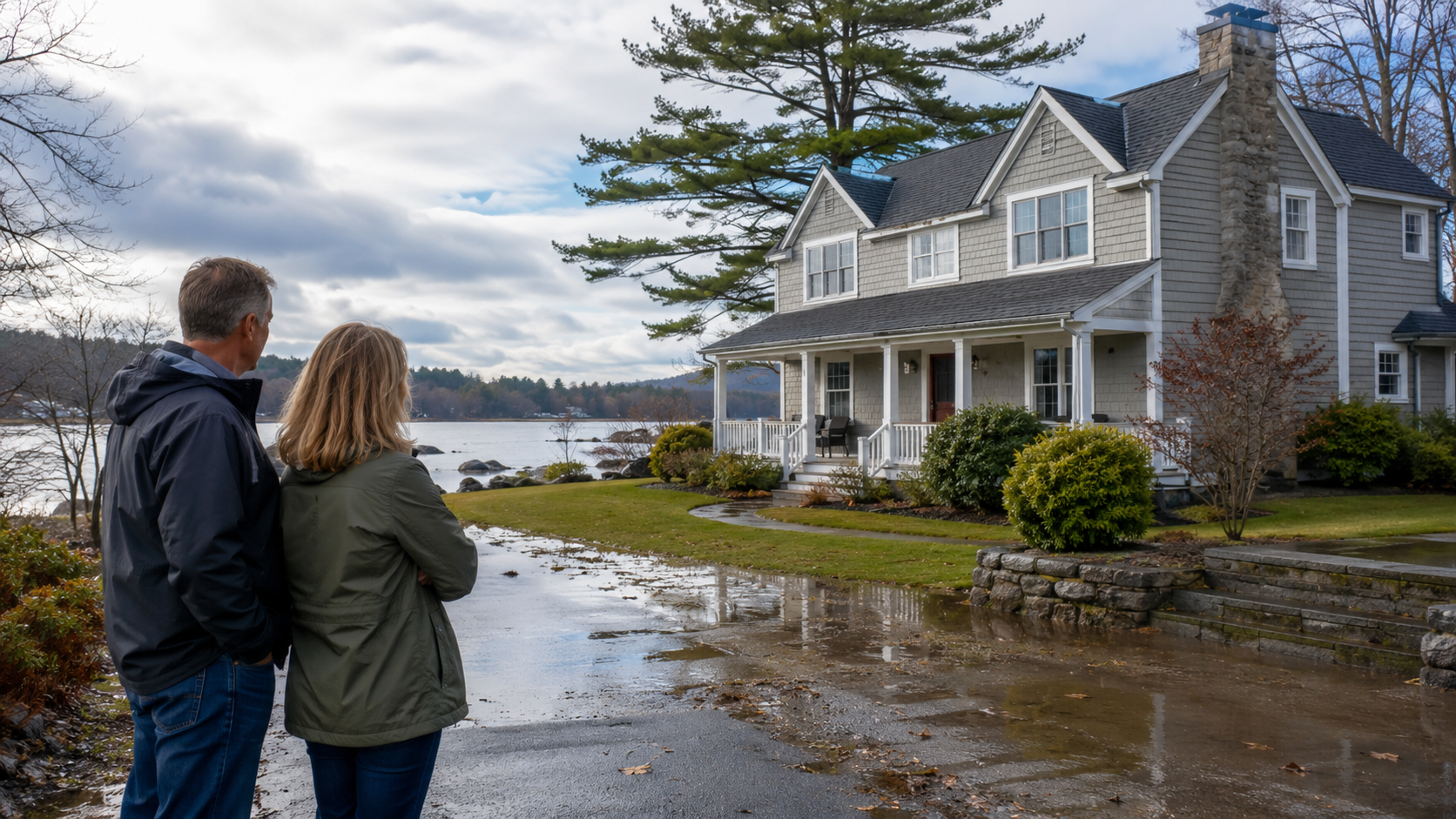
Your home is your most valuable asset. Avery’s home insurance protects your property, belongings, and liability so you can feel secure no matter what happens.
High-Value Home Insurance
Own a home valued over $2 million? Our Premier Client Services program provides coverage built around high-value properties and the unique risks they carry.
Auto Insurance
Whether you drive a daily commuter, a classic car, or a motorcycle, Avery finds the right auto coverage for your vehicle and your budget.
Boat & Watercraft Insurance
From small boats on New Hampshire’s lakes to luxury yachts, Avery provides watercraft insurance covering your vessel, passengers, and liability on the water.
Umbrella / Personal Liability Insurance
An umbrella policy adds an extra layer of liability protection above your home and auto coverage. One of the most cost-effective ways to protect your financial future.
Valuable Possessions Insurance
Jewelry, art, collectibles, and other high-value items need coverage beyond a standard homeowners policy. Avery insures your most prized possessions at full appraised value.
Protect Your Business & Livelihood
Commercial Insurance Solutions Designed for New England Businesses.
Comprehensive Commercial Coverage That Keeps Your Business Running
General Liability Insurance
Protect your business from third-party claims of bodily injury, property damage, and personal injury. General liability is the foundation of any solid business insurance program.
Commercial Property Insurance
Covers your building, equipment, inventory, and other physical assets against fire, theft, vandalism, and other covered losses. Keep your business protected from the unexpected.
Workers’ Compensation Insurance
Workers’ comp covers medical costs and lost wages when an employee is injured on the job. Avery helps businesses meet state compliance requirements and manage costs effectively.
Cyber Liability Insurance
Data breaches and cyberattacks are a growing risk for businesses of all sizes. Cyber liability covers response costs, legal fees, and customer notification expenses after a security incident.
Employment Practices Liability Insurance
Covers your business against employee claims of wrongful termination, discrimination, harassment, and related issues. Essential for any business with employees.
Commercial Auto Insurance
Whether a single truck or a full fleet, commercial auto insurance protects your business against accidents, damage, and liability on the road.
We Know Your Industry
Tailored Insurance Programs for the Industries That Drive New Hampshire
We Understand the Risks Your Industry Faces — and How to Manage Them
Contractors Insurance
From general contractors to specialty trades, Avery understands the unique liability and property exposures your business faces on every job site in New England. We build coverage programs that keep your crew and company protected.
Restaurants & Hospitality
Restaurants, hotels, and marinas face distinct risks — from slip-and-fall liability to liquor liability and food spoilage. Avery designs coverage programs for the specific needs of the hospitality industry.
Real Estate & Property
Whether you own a portfolio of investment properties or manage a condo association, Avery provides the right mix of property, liability, and management coverage to protect your real estate investments.
We Make It Simple
Getting Covered with Avery Is Easy

Step 01
Connect with an Avery Advisor
Call, email, or request a coverage online and we will respond the same business day.

Step 02
We Build Your Coverage Plan
We shop top-rated carriers, compare your options, and recommend the best fit for your needs.

Step 03
You Get Protected and Stay Protected
We place your coverage, review it annually, and advocate for you if you ever need to file a claim.
Let’s Clear Things Up
Got Questions? We’ve Got Answers.
Straight Answers From the Advisors Who Know This State Best
What does it mean that Avery is an independent insurance agency?
An independent agency like Avery is not tied to any single insurance company. We represent multiple top-rated carriers, which means we can shop the market on your behalf and recommend the coverage that truly fits your needs — not the one that benefits any single insurer.
This independence gives you access to more options and unbiased advice. Our advisors are compensated to serve your interests, not to push a specific product. That is a significant advantage over captive agents who can only offer one carrier’s policies.
How much does it cost to work with an Avery advisor?
There is no direct cost to you for working with an Avery advisor. Independent agents are compensated through commissions paid by the insurance carriers when a policy is placed. You receive expert guidance, market comparisons, and ongoing service at no extra charge.
In fact, many clients find that working with Avery saves them money. Our advisors know how to identify the right coverage levels so you are not paying for protection you do not need, and you are not left exposed where you do.
Does Avery help with claims?
Yes — and this is one of the most important things that sets Avery apart. When you have a claim, our in-house claims advisors go to work for you. We guide you through the process, communicate with the insurance company, and advocate for a fair and timely outcome.
Several of our team members hold professional claims designations, including AIC and AINS. We do not just help you file paperwork — we actively represent your interests to make sure you receive the full benefit your policy provides.
Where in New Hampshire does Avery provide coverage?
Avery serves clients throughout the state of New Hampshire from our offices in Wolfeboro and Portsmouth. Whether you live in the Lakes Region, the Seacoast, the White Mountains, or the Merrimack Valley, an Avery advisor is ready to help you find the right coverage.
Our advisors understand the specific risks that come with living and doing business in New Hampshire — from harsh winter weather to seasonal watercraft exposure. We apply that local knowledge to every coverage recommendation we make.
How does Avery handle high-value homes and assets?
Avery offers a dedicated Premier Client Services program for clients with homes valued over .5 million, significant investment portfolios, fine art collections, jewelry, yachts, and other complex assets. This program pairs you with a specialist who understands the unique risks of high-net-worth households.
Through carriers that specialize in high-value personal lines, we provide guaranteed replacement cost coverage, agreed value policies, and comprehensive risk management strategies. Your advisor will conduct a detailed review of your full asset portfolio to make sure nothing is overlooked or underinsured.
How often should I review my insurance coverage?
Avery recommends a full coverage review at least once a year. Major life events — buying a home, starting a business, adding a vehicle, getting married, or making significant home improvements — are all good triggers for an immediate review outside your annual cycle.
Insurance needs change over time, and policies that were right for you a few years ago may leave gaps today. Avery advisors proactively reach out to clients for annual reviews and keep up with changes in the insurance market that could affect your coverage or premium. Our goal is to make sure you are always protected and never paying for coverage that no longer fits.
Insurance Tips & News
Stay Informed with the Avery Blog
Practical Insurance Advice for New Hampshire Families and Business Owners



Contact Us
Portsmouth (HQ)
7 Islington St #102, Portsmouth, NH 03801
Phone Number: 603.766.3733
Wolfeboro
21 S Main Street, Wolfeboro, NH 03894
Phone Number: 603.569.2515