
Call Us: 603-766-3733
Handing over a six-figure classic car to a consignment dealer is nerve-wracking enough without the added worry of what happens if it gets damaged while it's out of your hands. The moment your collector vehicle leaves your garage and enters a dealer's lot or auction staging area, the insurance picture gets complicated fast. Who's responsible if a technician scratches the paint during detailing? What if a hailstorm hits the dealer's open lot? Or worse, what if the car is totaled during a transport run to a weekend auction event? These aren't hypothetical scenarios: they're the exact situations that create coverage disputes between owners, dealers, and insurers every year. If you're planning to sell a prized vehicle through consignment, understanding how to protect it during that vulnerable in-between period is critical. Most collector car owners carry solid policies on their vehicles, but those policies weren't designed for consignment situations. The rules change when someone else has possession, and the gaps can be expensive. This guide breaks down the specific risks, coverage coordination strategies, and policy details you need to know before signing a consignment agreement and handing over the keys.
Understanding Liability and Risk During Consignment
The Difference Between Ownership and Possession
Here's the distinction that trips up most consignors: you still own the car, but you no longer possess it. In insurance terms, that split matters enormously. Your personal collector car policy is built around the assumption that you control where the car is stored, who drives it, and how it's maintained. The moment you hand it to a dealer, those assumptions break down.
The dealer has physical custody, but their insurance (typically a garage liability or dealer's open lot policy) is designed to protect the dealer's business interests, not necessarily your car's full value. Dealer Open Lot (DOL) insurance policies for 2026 generally carry per-vehicle deductibles ranging from $500 to $2,500, and some explicitly exclude consigned vehicles from comprehensive coverage. You can't assume the dealer's policy will make you whole. https://www.carpro.com/blog/how-to-sell-my-car-on-consignment-the-complete-2026-guide
Common Scenarios for Consignment Loss
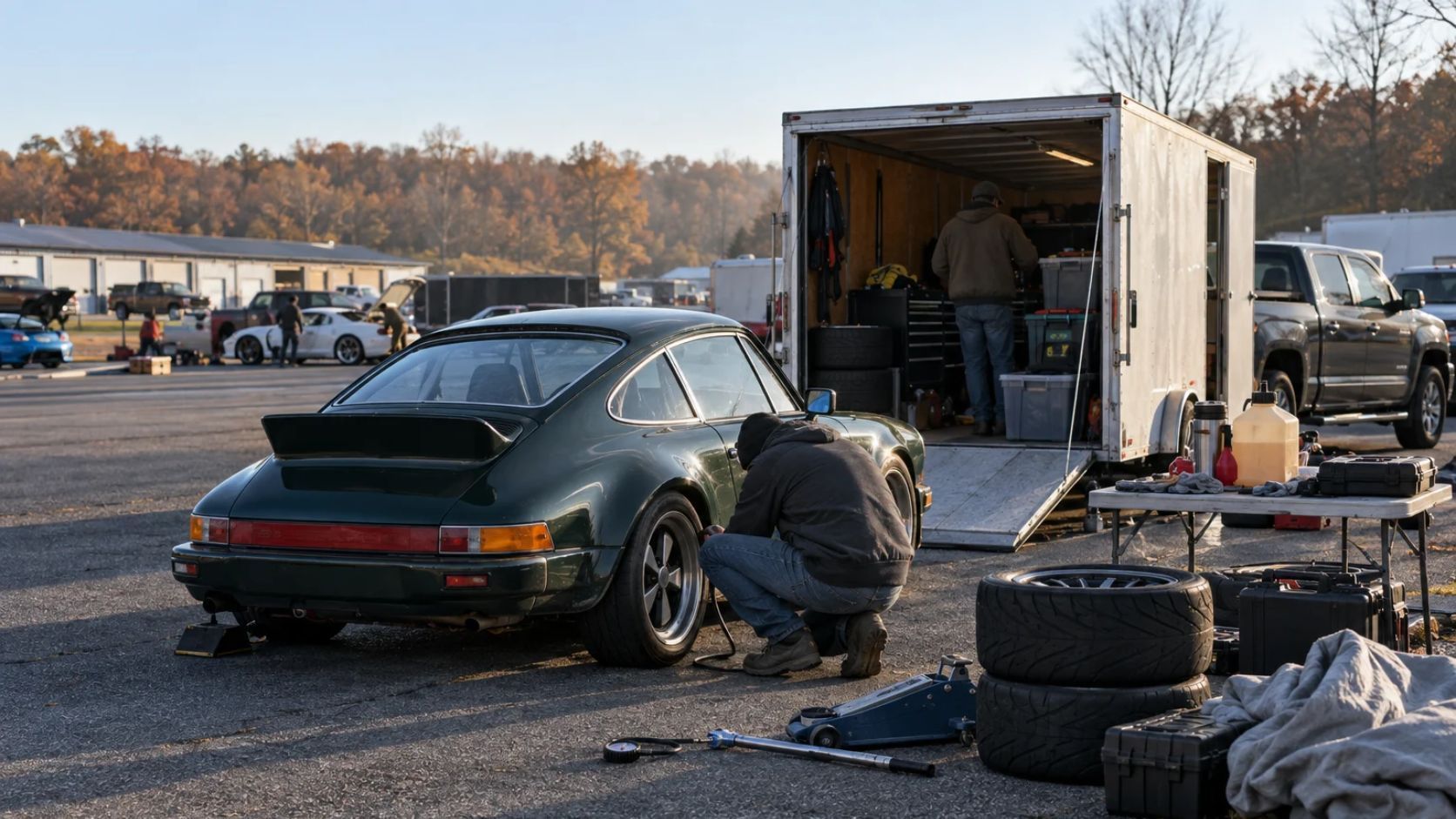
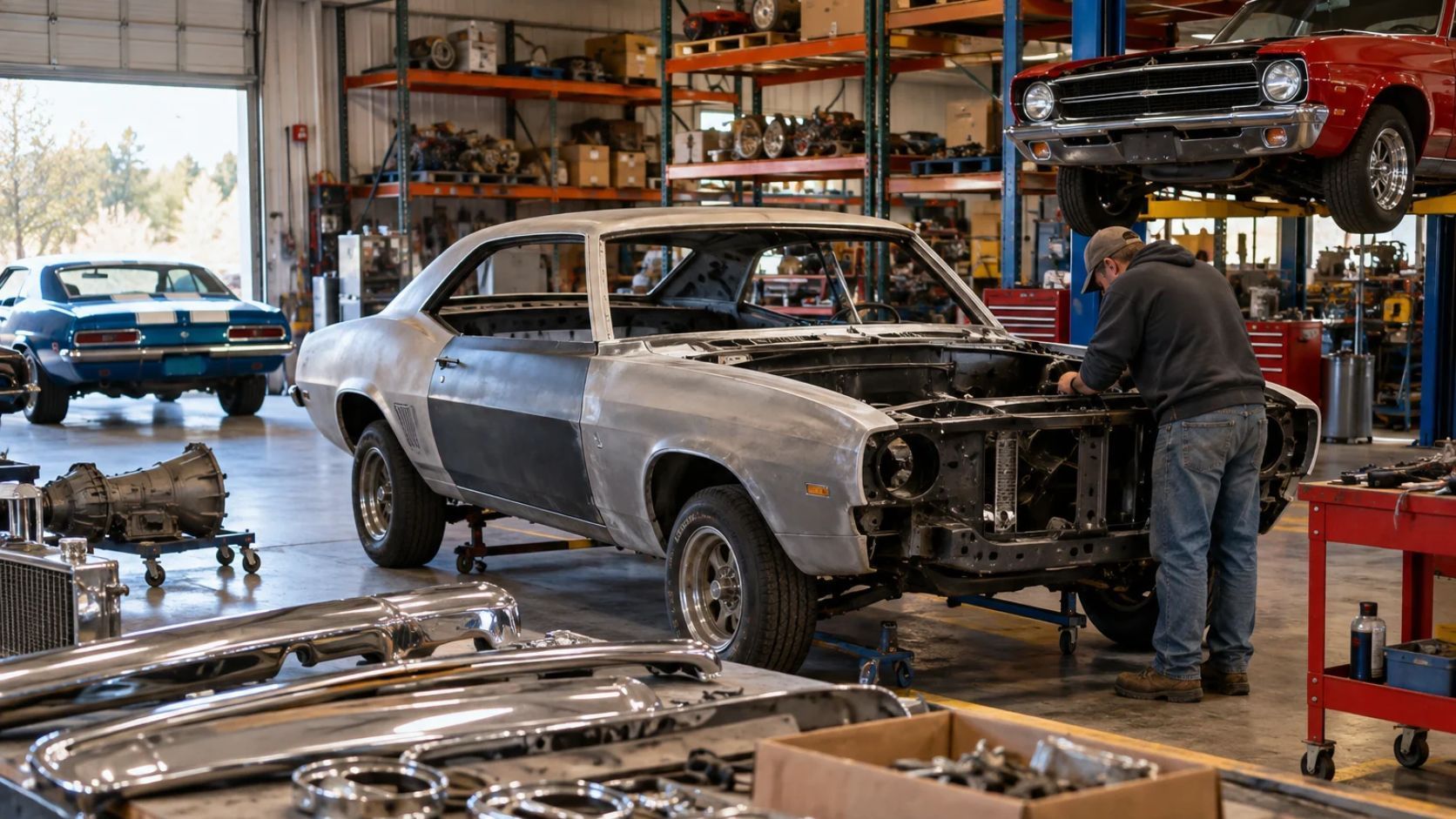
Real-world claims during consignment fall into a few predictable categories. Theft from the dealer's lot is more common than most owners expect, particularly for desirable marques. Weather damage from hail, flooding, or wind-blown debris hits cars stored outdoors or in semi-enclosed structures. Transport incidents occur when vehicles are moved between the dealer's showroom and auction venues. And then there's the mundane but costly category: lot damage from other vehicles, careless handling during showing, and vandalism.
Coordinating Coverage Between Owner and Dealer
Getting the insurance right before consignment requires active coordination between you, the dealer, and both of your insurers. This isn't a set-it-and-forget-it situation. You need to understand exactly what the dealer's policy covers, confirm that your own policy remains active, and document everything in writing.
Reviewing the Consignment Agreement
The consignment contract is the single most important document in this process, and most owners don't read it carefully enough. Look specifically for the insurance clause: it should spell out the dealer's obligation to carry coverage on consigned vehicles, the type and limits of that coverage, and the process for filing a claim.
Pay close attention to indemnification language. Some agreements shift all risk back to the owner, regardless of who caused the damage. Others cap the dealer's liability at a fixed amount that may be far below your car's value. If the agreement is vague on insurance responsibilities, that's a red flag. Push for specific language that names coverage types, limits, and deductible amounts. A reputable dealer will have no problem providing a certificate of insurance for your review.
Notifying Your Private Insurer
This step gets skipped more often than it should. Call your insurer before the car goes to consignment. Many collector car policies require notification when a vehicle's storage location changes or when someone other than the named insured takes possession. Failing to notify can give the insurer grounds to deny a claim.
Some policies will continue to provide coverage during consignment with a simple endorsement or rider. Others may suspend coverage entirely while the vehicle is in a dealer's custody. The only way to know is to ask. At Avery Insurance Agency, we walk clients through this exact scenario regularly, reviewing consignment agreements alongside existing policies to identify gaps before they become problems. That consultative approach, looking at the full picture rather than just one policy, is what prevents nasty surprises during a claim.
Comparing Policy Protections
Understanding the differences between your personal collector car policy and a dealer's garage liability coverage is essential. These are fundamentally different types of insurance designed for different purposes, and neither one alone provides complete protection during consignment.
Comparison Table: Personal Policy vs. Dealer Garage Liability
| Coverage Feature | Personal Collector Car Policy | Dealer Garage Liability |
|---|---|---|
| Primary Purpose | Protect the owner's vehicle | Protect the dealer's business operations |
| Valuation Method | Typically agreed value | Often actual cash value or limited stated amount |
| Consigned Vehicle Coverage | May require endorsement or notification | May exclude consigned vehicles or cap coverage |
| Deductible Range | Usually $0 to $1,000 | Often $500 to $2,500 per vehicle |
| Transit Coverage | Sometimes included; verify | Rarely covers transport to off-site auctions |
| Who Files the Claim | Vehicle owner | Dealer (on behalf of the business) |
| Coverage During Showing/Test Drive | May be excluded during consignment | Usually covered under dealer operations |
| Theft from Lot | Covered if policy is active and notified | Covered, but often with high deductible |
The takeaway from this comparison is clear: relying on either policy alone leaves gaps. The strongest protection comes from layering both, with clear documentation of which policy responds first in different scenarios.
Essential Coverage Add-Ons for High-Value Vehicles
Standard coverage often falls short for collector vehicles worth six or seven figures. The right add-ons can mean the difference between a full recovery and a devastating financial loss, especially when insuring a collector car during auction consignment where multiple parties and locations are involved.
Agreed Value vs. Actual Cash Value
This is the single most important coverage distinction for any collector car owner, and it becomes even more critical during consignment. An agreed value policy pays a predetermined amount if the vehicle is totaled, a figure you and the insurer settle on when the policy is written, typically supported by an appraisal. An actual cash value policy pays what the insurer determines the car is worth at the time of loss, factoring in depreciation.
For a 1967 Corvette 427 that you and your insurer agree is worth $150,000, an agreed value policy pays $150,000. An actual cash value assessment might come back at $110,000 or less, depending on the adjuster's methodology. Specialized collector car policies typically range between $200 and $900 per year and usually offer agreed value as a standard feature. That's a small price to pay for certainty.
Make sure your agreed value is current before consignment. If the market has moved significantly since your last appraisal, update it. A two-year-old appraisal on a car entering a hot auction market could leave you underinsured.
Transit and Exhibition Coverage
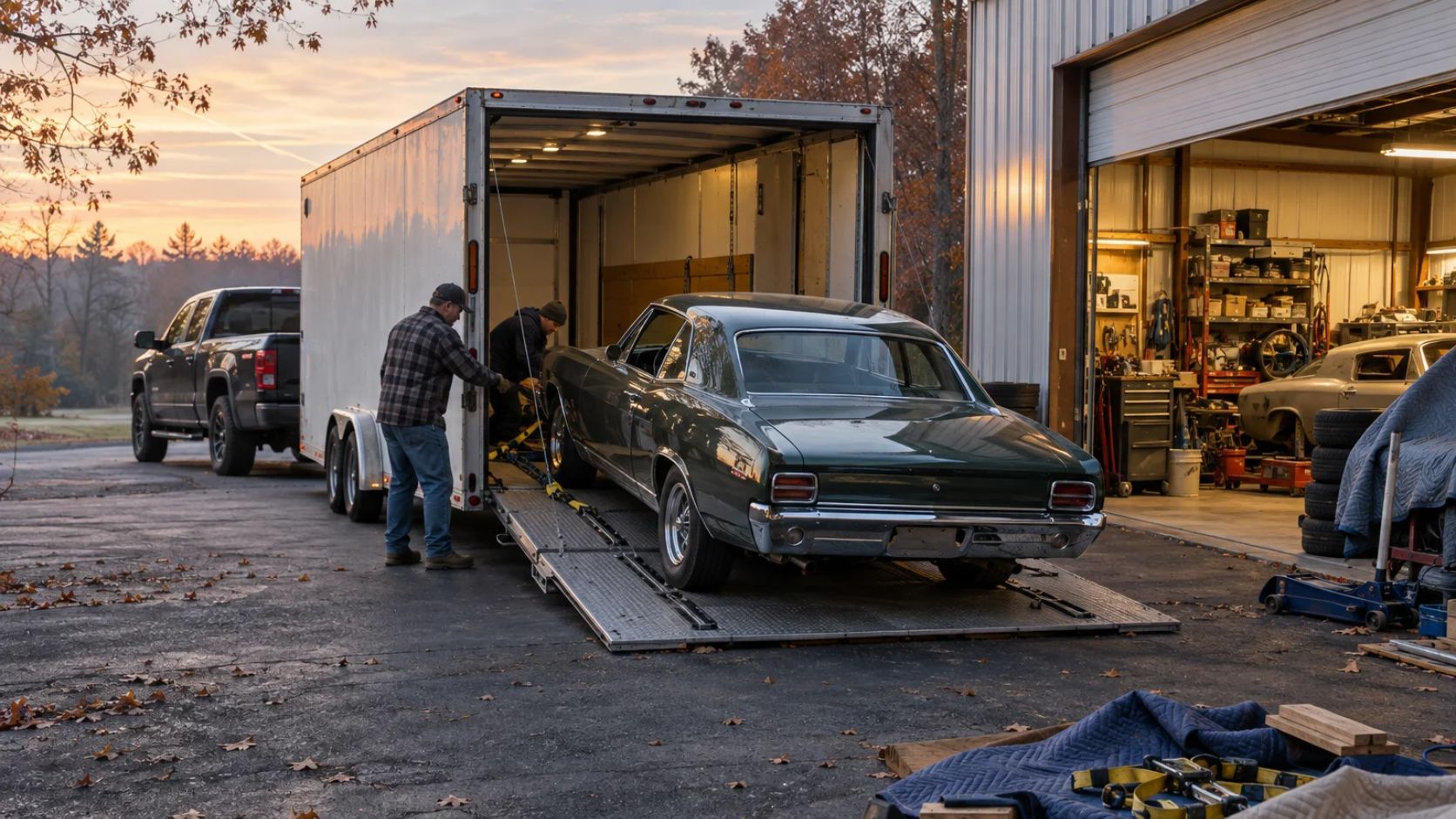
Many collector car policies exclude or limit coverage when the vehicle is being transported by a third party or displayed at an event. During consignment, your car might be loaded onto a trailer and hauled to an auction venue, displayed in a showroom with foot traffic, or driven short distances for photography and inspection. Each of these activities creates exposure that your base policy may not cover.
Ask specifically about transit coverage: does your policy cover the car while it's on a dealer's transport trailer? What about during an auction preview event? These endorsements are usually inexpensive to add, but they need to be in place before the car moves. Specialized collector policies are often 40% to 50% less expensive than standard auto coverage because they account for limited use, so adding transit and exhibition riders typically doesn't break the bank.
Common Questions About Consignment Insurance
FAQ: What You Need to Know
Does my collector car policy automatically cover the vehicle during consignment? Not always. Many policies require you to notify the insurer when the vehicle changes location or custody. Some will continue coverage with an endorsement; others may suspend it. Always call your insurer before the car leaves your possession.
Should I require the dealer to list me as an additional insured on their policy? Yes, and this is non-negotiable for high-value vehicles. Being named as an additional insured on the dealer's garage policy gives you direct rights under that policy if a claim arises. Without it, you're relying on the dealer to file and pursue the claim on your behalf.
What happens if both my policy and the dealer's policy cover the same loss? Typically, the policy covering the location where the loss occurred responds first (the dealer's policy), and your policy acts as excess coverage. But this depends on the specific policy language. Having an independent agent review both policies before consignment eliminates guesswork.
Am I covered if a potential buyer damages the car during a test drive? This usually falls under the dealer's garage liability policy, but coverage limits and conditions vary. Confirm with the dealer that test drive damage is covered and understand any deductible you might be responsible for.
How do I make sure the agreed value on my policy reflects the current market? Get a fresh appraisal from a qualified appraiser before consignment, especially for high-volatility segments where annual updates are recommended. Share the updated appraisal with your insurer and request an endorsement reflecting the new value. The collector car market has shifted considerably in the past two years, and outdated valuations are one of the most common coverage mistakes we see. https://www.carpro.com/blog/how-to-sell-my-car-on-consignment-the-complete-2026-guide
Can I insure the car separately just for the consignment period? Some specialty insurers offer short-term or event-specific policies for collector vehicles. These can fill gaps when your primary policy doesn't extend to consignment situations. Your agent can help you evaluate whether a standalone short-term policy makes sense for your situation.
Your Next Steps for a Secure Sale
Protecting a collector car during consignment isn't complicated, but it does require deliberate action before the car leaves your garage. The owners who get burned are almost always the ones who assumed someone else's insurance had them covered.
Start by reading your consignment agreement line by line, paying special attention to insurance clauses, indemnification language, and liability caps. Then call your insurer to confirm your policy remains active during the consignment period and add any necessary endorsements for transit or exhibition. Request a certificate of insurance from the dealer and verify that you're listed as an additional insured on their garage policy. And if your last appraisal is more than a year old, get an updated one before the car goes to market.
At Avery Insurance Agency, we've spent over 125 years helping clients protect the things they've worked hard to acquire. If you own a collector vehicle and you're considering consignment, a quick conversation with an independent agent who understands both high-value assets and the nuances of auction insurance can save you from an expensive lesson. Reach out to our team, and we'll review your current coverage, evaluate the consignment agreement, and make sure there are no gaps between your policy and the dealer's. That peace of mind is worth far more than the time it takes to make the call.
ABOUT THE AUTHOR:
Tod O’Dowd, CIC, CAPI
I'm the President of Avery Insurance Agency, a family-owned independent agency serving individuals and businesses across New England and in 40+ states. With a hands-on, consultative approach to personal and commercial risk, I help clients — from high-net-worth homeowners and contractors to restaurant owners and property managers — find the right coverage without the guesswork of working with a single-carrier agent.